



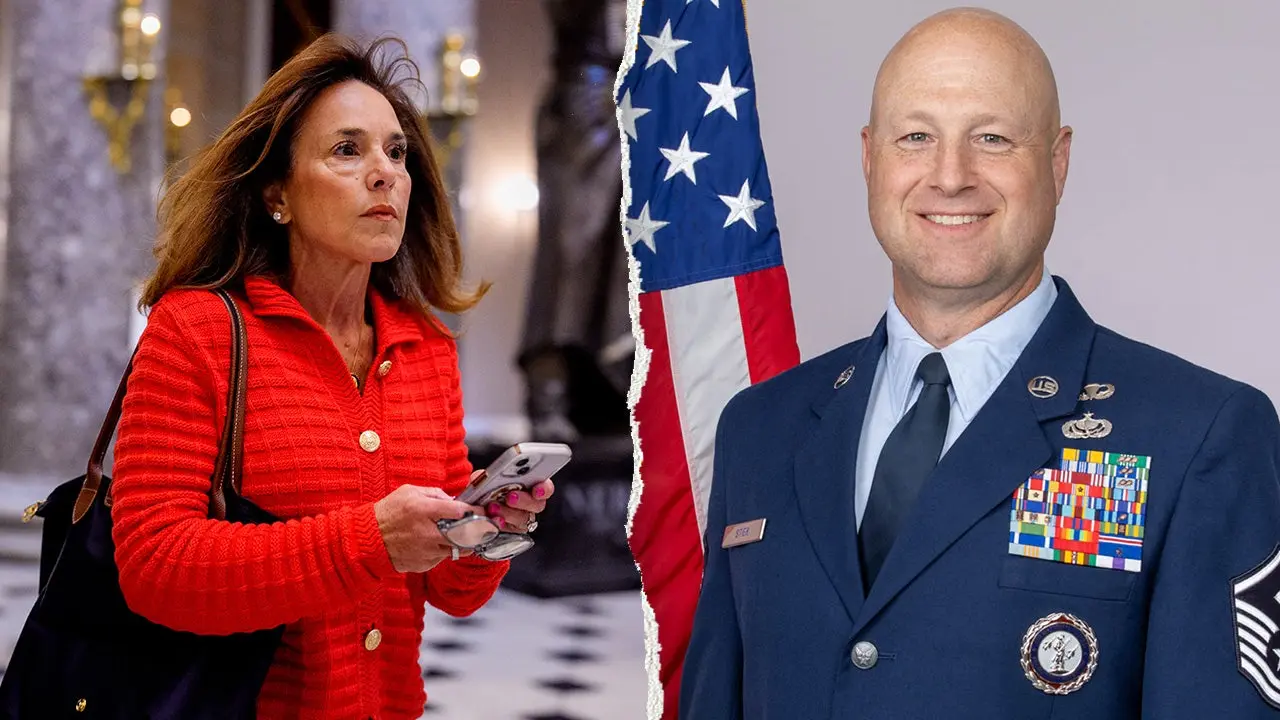
Under the scorching heat of the Middle Eastern sun, thousands of miles away from the quiet, tree-lined streets of Richmond, Michigan, citizen-soldier Ray Steir found himself fighting two very different battles. By day, Steir dedicated himself to his military deployment, carrying the immense physical and emotional burdens that come with serving the United States in a foreign combat zone. Yet, as night fell over the desert and his fellow soldiers rested, Steir would fire up his laptop to participate virtually in local school board meetings, determined to honor the civic oath he had made to his neighbors back home. For Steir, public service was not a part-time interest but a sacred, dual commitment—to safeguard his nation abroad and to advocate for the children and families of his local community. However, instead of receiving support from his colleagues for his overseas sacrifices, Steir was met with a bureaucratic betrayal that shook his family and outraged his constituents. In a moveset that seemed to defy common decency, members of the Richmond school board abruptly cut off his virtual access to the meetings, effectively locking him out of the democratic process. Seizing upon the very absence they had manufactured, board members then launched an administrative campaign to oust him, claiming his deployment was causing a “disservice” to the school district, transforming his honorable military service into a weapon to be used against him.
The emotional and psychological toll of this political maneuver did not stop at the school district’s administrative borders; it cascaded directly onto Steir’s wife, who was left to navigate a hostile climate of online harassment entirely on her own. While Steir was stationed in a high-stress military zone, unable to easily protect or comfort his family, his wife became the target of a coordinated smear campaign led by relatives of opposing school board members. These individuals took to social media platforms to spread harmful misinformation, launch personal attacks, and actively mobilize community members to demand Steir’s immediate resignation under the guise of accountability. It is difficult to overstate the cruelty of subjecting a military spouse—who is already carrying the profound anxiety of having a partner deployed in the Middle East—to intense public vilification and organized harassment. This painful dynamic highlighted the severe degradation of modern local politics, where the boundaries of civil discourse have been completely erased, and family members are treated as collateral damage in ideological disputes. Rather than celebrating a family that was sacrificing their peace for both national defense and local service, the board’s allies chose to exploit Steir’s physical absence as a political vulnerability, exposing a deep-seated lack of empathy that shocked the conscience of the working-class Michigan town.
The blatant unfairness of Steir’s situation quickly caught the attention of federal lawmakers, prompting House GOP Conference Chairwoman Lisa McClain of Michigan to step forward, using the weight of her congressional office to champion his cause. In a moving public ceremony, McClain presented Steir with an American flag that had flown over the United States Capitol, along with an official commendation entered into the Congressional Record, honoring his steadfast dedication to both his military duty and his local school board responsibilities. McClain did not mince words when addressing the Richmond school board’s actions, fiercely dismantling their argument that Steir’s deployment was an unmanageable hindrance to the school district. She pointed out the glaring hypocrisy of the board’s logic, noting that the seat Steir filled had sat completely empty for two consecutive months before his appointment, yet none of the current board members had expressed panic over a “disservice” to the community during that time. For McClain, the attack on Steir was a symptom of a much larger, systemic pathology within public education administration, where bureaucrats demand absolute compliance and look for any technicality to silence those who present dissenting, common-sense perspectives on policy and governance.
To understand why Steir was targeted so aggressively, one must look at the intense cultural flashpoints that have come to define modern public education. Prior to his overseas deployment, Steir had firmly aligned himself with conservative parents, clashing with the school board over sensitive policies that many felt compromised children’s safety and parental rights. Most notably, Steir had raised alarm bells after learning that the Richmond school district was considering restroom policies that would permit eighth-grade transgender boys to share restroom facilities with fourth-grade students, a policy many parents felt ignored the developmental vulnerability of younger children. This local battle mirrored a series of high-profile national controversies, which Representative McClain had recently confronted at the federal level during a fiery congressional hearing. McClain had publicly grilled a school superintendent from Virginia over student privacy policies, drawing attention to a controversial incident in Loudoun County where female students were suspended for filming a locker room fight, while the transgender student involved faced disproportionately lighter consequences. These parallel events illustrate a profound, nationwide disconnect between the values of everyday families and the administrative apparatuses of public schools, which increasingly prioritize progressive social agendas over the fundamental safety and privacy of the children they are charged with protecting.
This persistent clash highlight a broader, highly organized effort by progressive school administrators and entrenched educational establishment figures to gatekeep school boards, effectively locking out ideological diversity and conservative thought. For decades, school boards operated as quiet, largely non-partisan bodies focused on transportation, budgets, and standard academic curricula; today, however, they have been transformed into major battlegrounds in an ongoing cultural cold war. Parents and conservative representatives who step forward to question new administrative protocols are frequently marginalized, labeled as disruptors, or targeted with hostile bureaucratic measures designed to wear them down and force their silence. This institutional gatekeeping has fueled a massive grassroots movement across the United States, driving ordinary mothers, fathers, grandmothers, and military veterans to run for local office in an effort to restore accountability and balance to their local communities. As McClain aptly summarized, public schools must return to their core mission of teaching children how to think, rather than what to think, a philosophical shift that requires administrators to be held deeply accountable for their actions, whether those actions are noble or, in the case of the Richmond school board, profoundly unjust.
Ultimately, the heavy-handed attempt to silence and remove Ray Steir has backfired on his political opponents, turning what was meant to be a quiet administrative removal into a powerful focal point for community organizing and political transparency. Reflecting on the painful ordeal, Steir expressed a deep-seated determination to continue his work, choosing to view the entire situation through a lens of hope and opportunity. He noted that the heavy national media attention his case received served as a much-needed spotlight, exposing the toxic internal dynamics and backroom political maneuvering of the Richmond school board to local residents who had previously been unaware of what was happening behind closed doors. By refusing to succumb to social media harassment, bureaucratic bullying, or the physical dislocation of military service, Steir has provided a shining example of what true, resilient leadership looks like in an era of deep division. His story is an inspiring reminder that the defense of American liberty and community values is not a struggle confined to foreign battlefields; it must be waged just as fiercely in the local boardrooms and public classrooms where the future of the country is being forged every day.