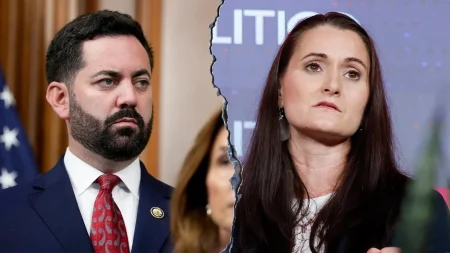




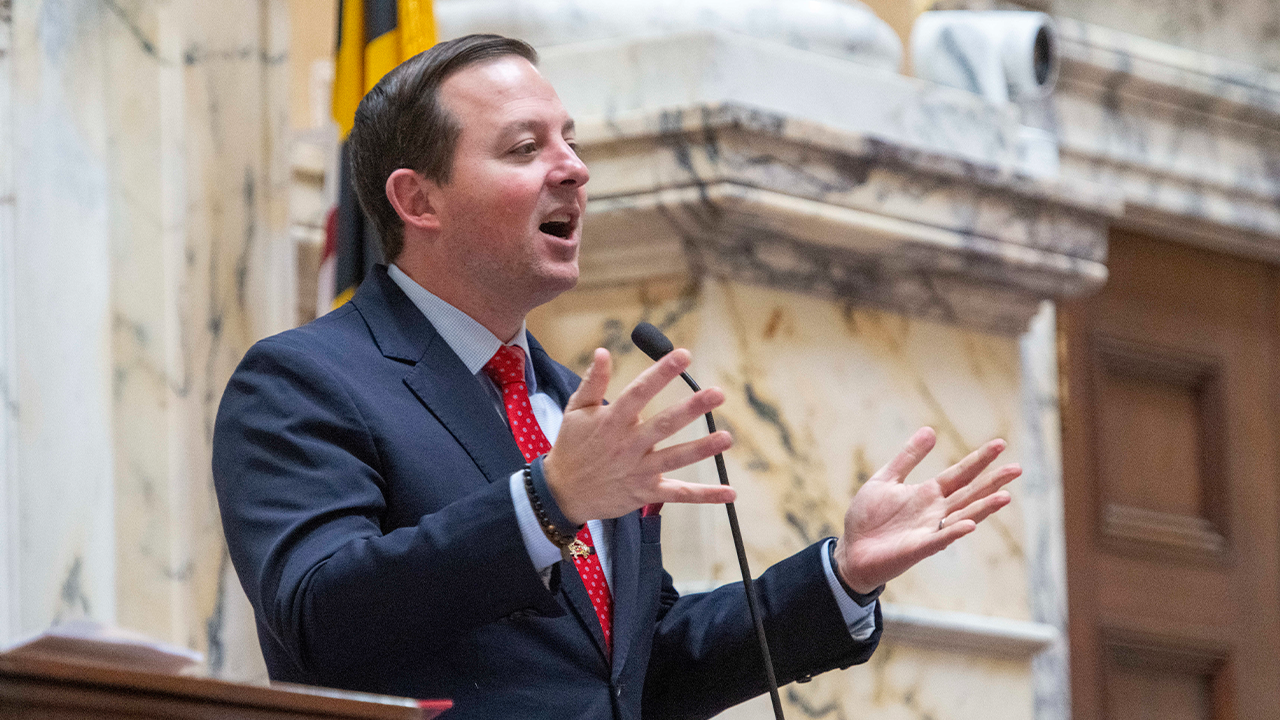
In the heart of Baltimore’s historic 46th Senate District, where the industrial shadows of the city’s historic ports meet the trendy, revitalized neighborhoods along the Patapsco River, a political drama unfolded that captured the attention of onlookers far beyond Maryland’s borders. Typically, state legislative primaries are quiet, transactional affairs decided by local name recognition and institutional backing. However, this particular race transformed into a vibrant clash of political identities, pitting the highly polished, systematic Senate President, Bill Ferguson, against an unconventional and spirited challenger named Bobby LaPin. To his digital followers and the locals who frequented the harbor, LaPin was better known as “Captain Bobby,” a rugged, media-savvy Army veteran and charter boat owner who brought the salty, unvarnished energy of the docks directly into the sterile arenas of state politics. This contest was not merely about a single seat in Annapolis; it became a poignant, humanized microcosm of the deeper ideological civil war currently quiet-ly raging within the Democratic Party nationwide—a struggle between pragmatic, institutional governance and raw, fiery grassroots populism.
Bobby LaPin’s campaign was built entirely on his compelling personal narrative, which stood in stark contrast to the traditional pedigree of his opponent. As a military veteran who had served his country before finding solace and a livelihood on the open waters of the Chesapeake Bay, LaPin possessed an innate, working-class credibility that cannot be manufactured by political consultants. From the deck of his charter boat, he utilized social media as an equalizer, bypassing traditional gatekeepers to broadcast a message of urgent progressive transformation. Drawing a direct lineage to the democratic socialist movement, LaPin frequently pitched himself to voters as the local incarnation of Bernie Sanders, while dismissively labeling the analytical, compromise-oriented Ferguson as a product of the establishment akin to Chuck Schumer. His campaign resonated with a growing segment of the electorate that feels increasingly alienated by the slow, incremental nature of establishment politics, channeling the genuine frustration of everyday citizens who believe that their leaders have become too insulated by power to feel the immediate sting of the economic and social struggles facing working-class communities.
The philosophical divide between the two candidates found its most explosive battleground in a controversy surrounding congressional redistricting, an issue that highlighted the painful ethical dilemmas of leadership. At the center of the storm was Ferguson’s highly controversial decision to block a redistricting map proposed by national Democratic leaders and Maryland’s own progressive governor, Wes Moore, which was designed to systematically eliminate the state’s sole remaining Republican congressional seat. While partisan strategists viewed the aggressive map as a necessary move in the high-stakes national chess match against the Republican party, Ferguson broke ranks, publicly condemning the proposed boundaries as “objectively unconstitutional” and warning of catastrophic legal and political fallout. For Ferguson, the decision was a matter of constitutional integrity and long-term institutional stability, even if it meant absorbing immense political damage from his own allies and receiving a icy cold shoulder from Governor Moore. To LaPin, however, this move was viewed as an act of political cowardice and cooperation, a betrayal of the democratic caucus that actively hindered the state’s ability to combat national conservative gerrymandering efforts. This clash laid bare the agonizing human reality of governance, where holding onto personal and legal principles can suddenly alienate a leader from the very base that brought them to power.
To fully understand the gravity of this challenge, one must examine the remarkable journey of Bill Ferguson himself, a man who was once the young, disruptive outsider of Maryland politics. Long before he was the powerful, suit-clad President of the Senate, Ferguson was a passionate 27-year-old former educator who made history in 2011 by becoming the youngest state senator ever elected in Maryland. He entered public service not to protect the status quo, but to fundamentally reform a broken education system from the inside out, leveraging his real-world classroom experience to advocate for underserved children. Over the course of a decade, his sharp intellect and collaborative nature propelled him through the ranks, culminating in his unanimous election as Senate President in 2020 at the exceptionally young age of 36. Yet, the very trajectory that made him a political prodigy also made him vulnerable; as he transitioned from an energetic grassroots reformer to the chief custodian of the state’s legislative machinery, he became the public face of the establishment. Ferguson’s story is a classic study in the burdens of political evolution, raising the poignant question of how an idealistic young reformer can maintain their progressive identity when their job eventually demands constant mediation, pragmatic compromise, and the occasional, unpopular obligation to say “no” to the activists who once stood by their side.
As election day neared, the race transformed into a study of contrasting political strategies: the heavily funded, disciplined ground game of an incumbent versus the low-budget, high-energy digital populism of an insurgent. While Ferguson leveraged his significant fundraising advantage, deep ties to local community leaders, and a lifetime of constituent service, LaPin relied on the organic momentum of his digital outreach, rallying younger, disaffected voters who craved an unpolished, authentic voice in office. When the final ballots were tallied on election night, the institutional strength of the incumbent ultimately prevailed, with Ferguson securing 56.6% of the vote to LaPin’s 43.4%. While a double-digit margin of victory is mathematically decisive in traditional political analysis, the fact that a political newcomer operating on a shoe-string budget could capture over forty percent of the vote against one of the most powerful politicians in the state was a humbling revelation. It served as a stark reminder that even the most secure and influential leaders are never entirely safe from the undercurrents of populist discontent, proving that a significant portion of the electorate is actively searching for alternative pathways to representation.
In the quiet aftermath of the primary, as the political dust settled over Baltimore’s harbor, both camps were left to reflect on the deeper meaning of this hard-fought campaign. For Bill Ferguson, the victory ensured his continued leadership in Annapolis, but it also delivered an unmistakable message that he must actively listen to the progressive anxieties of a changing constituency that demands more than just legislative competence. For Bobby LaPin, the campaign demonstrated the formidable power of modern digital organizing, proving that an ordinary citizen with a compelling message and a smartphone can disrupt the highest echelons of power. Ultimately, this race was a vivid testament to the messy, beautiful vitality of American democracy at the local level. It showed that behind the cold metrics of polls, campaign donations, and voting percentages, politics remains a deeply human endeavor driven by real people who are trying to navigate the delicate balance between the stabilizing comfort of experienced leadership and the inspiring, chaotic promise of revolutionary change.