


The Senate’s Victory in the AI Regulation Battle: States Rights Prevail
In a significant development for tech policy, the Senate has quietly secured a win in the ongoing debate over states’ rights to regulate artificial intelligence, while still acknowledging the need for a federal framework. Earlier proposals for a blanket AI moratorium that would have prevented states from creating their own regulations appeared to have been defeated this summer. However, House Republicans recently revived the idea, considering its inclusion in the National Defense Authorization Act, before ultimately abandoning the push. This victory for state autonomy comes despite pressure from the White House to establish a more cohesive nationwide approach to AI regulation.
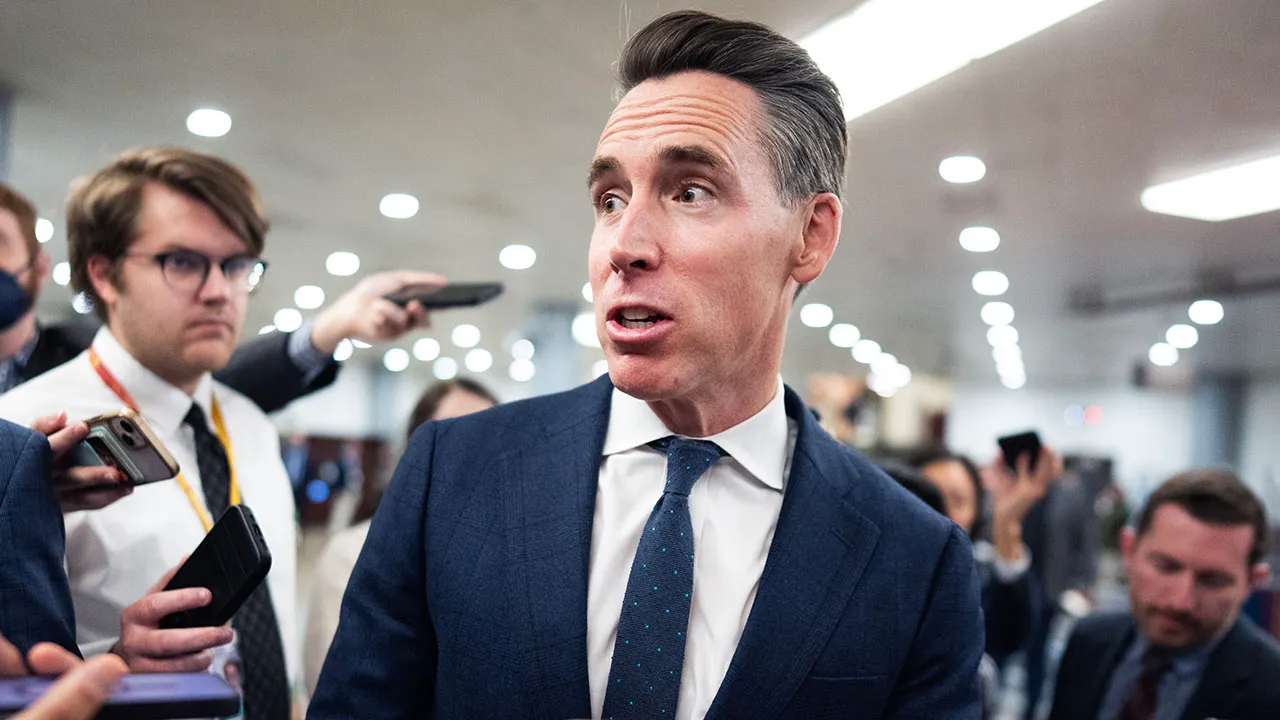
Senators Josh Hawley of Missouri, Marsha Blackburn of Tennessee, and Ron Johnson of Wisconsin formed a critical alliance that successfully blocked the original moratorium proposal. When the provision threatened to resurface, Senator Hawley expressed relief at its exclusion from the defense bill while emphasizing that “vigilance is needed, and Congress needs to act.” He specifically suggested that federal action could begin by “banning chat bots for minors,” highlighting a priority area for regulation. This position reflects a nuanced approach that acknowledges the need for some federal standards without entirely preempting state authority. Meanwhile, Senator Ted Cruz of Texas, who chairs the Senate Commerce, Science and Transportation committee, has maintained his support for a moratorium, which he initially attempted to include in Trump’s “One Big, Beautiful Bill.” Cruz’s position stems from his desire to give the U.S. a competitive advantage against rivals like China by minimizing regulatory constraints on AI development.
The political landscape surrounding AI regulation has been further complicated by former President Trump’s recent declaration that America “MUST have one Federal Standard instead of a patchwork of 50 State Regulatory Regimes.” Trump expressed concern that state-level regulations could threaten investment and growth in the AI sector. Reports even suggested that the White House had drafted an executive order that would withhold federal funding from states that created their own AI regulations, potentially involving the Department of Justice in legal action against non-compliant states. However, Trump has not yet taken action on this proposed order, suggesting possible reconsideration or refinement of the approach. Senate Majority Leader John Thune acknowledged the controversy surrounding the moratorium concept, noting that the White House continues to work with lawmakers to “come up with something that works but preserves states’ rights.”
Senator Blackburn, who led efforts to defeat Cruz’s previous attempt at establishing an AI moratorium, still advocates for some type of federal framework—but one specifically designed to “protect children, consumers, creators, and conservatives.” Her spokesperson emphasized that the Senator “will continue her decade-long effort to work with her colleagues in both the House and Senate to pass federal standards to govern the virtual space and rein in Big Tech companies who are preying on children to turn a profit.” This position represents an attempt to balance the need for regulatory consistency with protection of vulnerable populations and preservation of state authority. It also highlights how AI regulation crosses traditional political lines, with concerns about both overregulation and inadequate consumer protections coming from various ideological perspectives.
Senator Johnson takes perhaps the most skeptical view regarding Congress’s ability to effectively regulate AI, describing it as an “enormously complex problem.” Unlike some of his colleagues, Johnson expressed doubt about lawmakers’ capacity to produce a framework that would adequately address the challenges posed by artificial intelligence. “I’m not a real fan of this place,” Johnson remarked, “And I think we’d be far better off if we passed a lot fewer laws. I’m not sure how often we get it right.” His comments reflect a deep-seated concern about the unintended consequences of federal regulation, particularly in rapidly evolving technological domains where even experts may have conflicting interests. Johnson’s position underscores the tension between addressing legitimate concerns about AI and avoiding regulatory frameworks that might stifle innovation or prove ineffective.
The ongoing debate about AI regulation reveals the complex balancing act facing lawmakers as they grapple with revolutionary technology that promises both tremendous benefits and significant risks. The Senate’s success in preserving states’ rights to regulate AI represents a victory for federalism and regulatory experimentation, allowing states to serve as laboratories for different approaches. Yet the continuing push for some form of federal framework acknowledges the reality that completely fragmented regulation could create compliance nightmares for businesses and inconsistent protections for consumers. As artificial intelligence continues to transform industries and everyday life, finding the right regulatory balance remains an urgent but delicate challenge—one that requires weighing innovation against protection, state autonomy against national coherence, and immediate concerns against long-term consequences. The resolution of these tensions will likely shape not just the development of AI in America but also the nation’s technological competitiveness on the global stage.