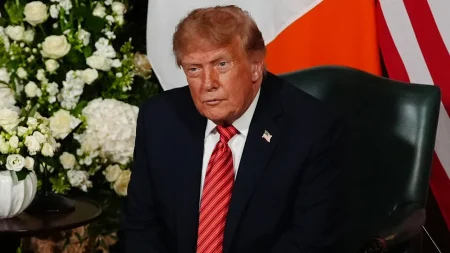


The ongoing debate surrounding foreign interference in American democracy was reignited when former President Donald Trump accused members of the U.S. intelligence community of operating a “shadow government.” Trump claimed that certain intelligence officials deliberately hid evidence of China’s attempts to influence American elections star-chasing newly declassified emails that point to a quiet, internal disagreement over how to report Beijing’s activities. He clarified that he is not alleging China altered physical vote tallies or hacked voting machines; rather, he argues that Beijing executed a sophisticated perception-management campaign targeting the American public. By highlighting these internal communications, Trump seeks to expose what he perceives as a deep-seated institutional bias that actively worked to keep vital national security briefs away from his desk during his presidency.
At the heart of the controversy is a series of newly released internal emails showing a deep divide among intelligence analysts. In one highly scrutinized exchange, a National Security Agency analyst remarked that they had “deliberately massaged” a draft of the President’s Daily Brief to avoid drawing direct links to the election. While some intelligence staff defended this framing by arguing that China’s actions did not fit the strict definition of election interference, others within the agencies reacted with disbelief. One official noted that “the mind boggles” at the decision to rewrite the reports, while another warned that omitting the election connection was highly irregular and represented a dangerous failure of analytical objectivity. Trump seized on these specific exchanges, arguing that security agencies acted as a barrier between the commander-in-chief and raw, critical data that should have been immediately shared.
Trump has leveraged this intelligence dispute to build momentum for the SAVE America Act, framing the legislative package as an essential defense weapon against foreign and domestic vulnerabilities in the voting system. Although the bill passed the House of Representatives earlier this year, it eventually stalled in the Senate after failing to secure the necessary sixty votes to bypass a filibuster. Designed to tighten federal voting standards, the legislation would mandate that voters provide physical proof of citizenship to register, require photo identification at the ballot box, and force states to systematically clean noncitizens from their active voter rolls. Despite some division within his own party regarding the bill’s chances of passing prior to the midterms, Trump continues to urge his supporters to call their representatives and demand immediate action on the security measures.
Beyond the specific provisions outlined in the stalled legislation, Trump has advocated for even stricter reforms to the voting process, placing particular emphasis on the elimination of mail-in ballots. While the current version of the SAVE America Act does not outright ban mail-in voting—it instead subjects absentee ballots to strict voter ID verification—Trump has publicly called for limiting mail-in voting exclusively to those with medical illnesses, physical disabilities, active military personnel forward-deployed, or citizens traveling abroad. He argues that minimizing mail-in voting is a crucial step toward restoring national trust in the electoral process, presenting his policy ideas as a straightforward, common-sense approach to preventing potential vulnerabilities before voters head to the polls.
In response to these serious allegations, international and domestic players have quickly pushed back, dismissing the claims of a coordinated cover-up. A spokesperson for the Chinese embassy in Washington, Liu Chang, strongly denied any involvement in American democratic processes, reiterating Beijing’s long-standing diplomatic policy of non-interference in the internal affairs of foreign nations and emphasizing that the election’s outcome is solely the business of the American electorate. Domestically, political opponents have voiced similar skepticism; Senator Mark Warner, a prominent Virginia Democrat, criticized Trump’s public address, arguing that the former president is simply recycling old, unproven theories about election security that have already been thoroughly investigated, analyzed, and rejected by the intelligence community at large.
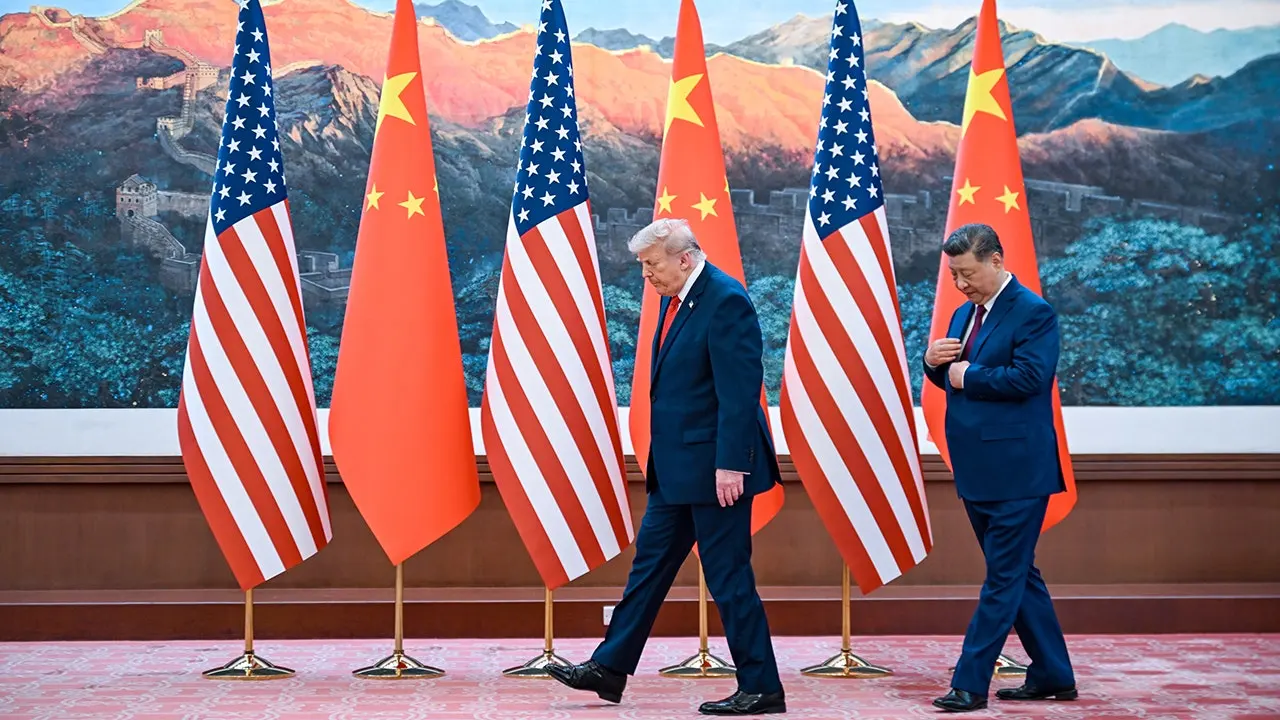
The political fallout from this intelligence release continues to grow, with Trump taking executive steps to demand accountability from within the federal bureaucracy. He has formally directed several major federal law enforcement and intelligence entities, including the FBI, CIA, and the Department of Justice, to launch a comprehensive investigation into why this specific China-related intelligence was filtered or withheld from his administration. Trump has demanded that anyone found participating in an intentional cover-up be terminated from their government roles, while also suggesting that criminal charges should be pursued if federal investigators uncover evidence of illegal censorship. Despite the escalating rhetoric and the severe accusations traded between Washington and Beijing, diplomatic channels remain open, with a senior administration official confirming that a high-profile meeting between Trump and Chinese President Xi Jinping is still expected to proceed in the coming weeks.