

A Diplomatic Dance in Munich: Rubio and Zelenskyy’s Push for Peace
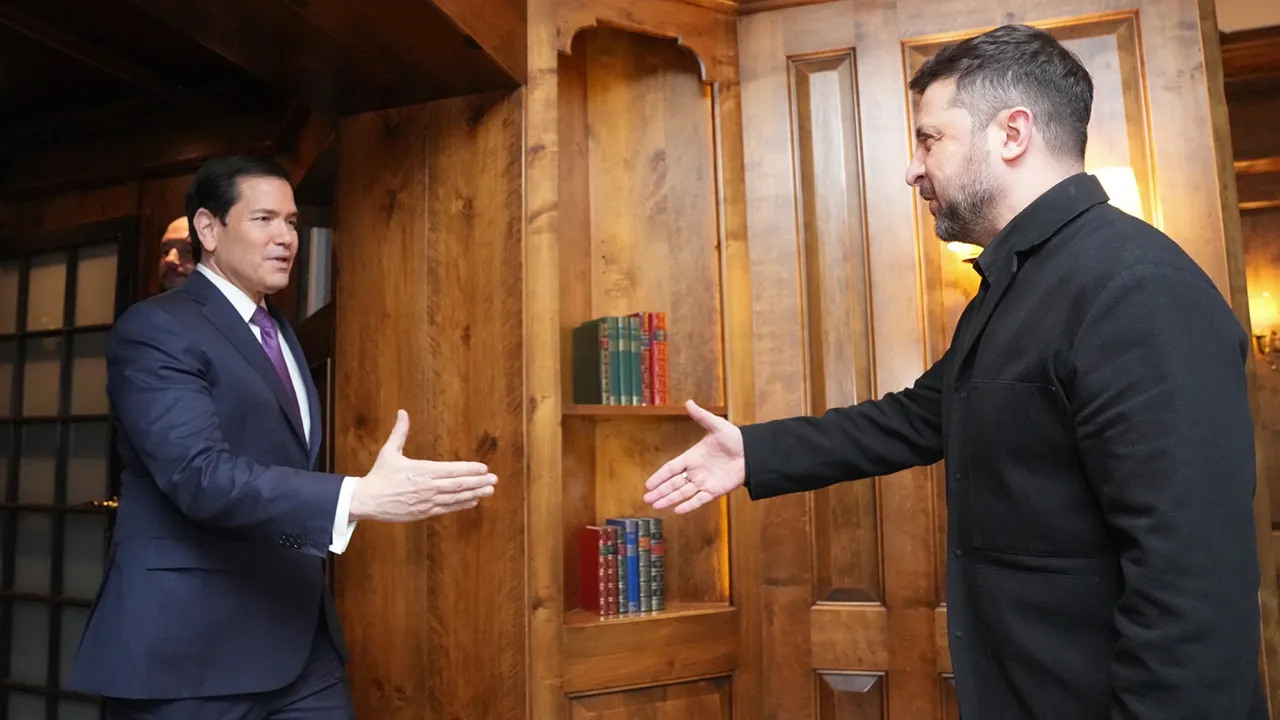
Imagine the crisp air of Munich in late January, where world leaders gather at the annual Security Conference, not just to talk, but to shape the fate of wars and alliances. That’s the setting where US Secretary of State Marco Rubio stepped into a historic handshake with Ukrainian President Volodymyr Zelenskyy. Rubio, fresh in his role under President Donald Trump’s return to the White House, shared a photo on X of that moment, captioning the post with a sense of urgency that echoed Trump’s own words: “President Trump wants a solution that ends the bloodshed once and for all.” It wasn’t just a polite meet-and-greet; it was a passionate reminder that America was doubling down on peace, defense partnerships, and economic ties to bolster Ukraine against Russian aggression. Rubio’s presence radiated confidence, his voice steady as he outlined shared goals. Zelenskyy, on the other hand, must have felt a glimmer of hope, given the turbulence Ukraine has endured over the past few years. These were not empty gestures. Rubio had already networked with G7 counterparts at the conference, discussing Trump’s vision of “peace through strength” – a strategy that prioritizes robust diplomacy backed by military might and economic leverage. Think about it: in a world full of global threats, from wars to instability in places like Venezuela, Rubio was advocating for proactive steps that could diffuse tensions. He emphasized ongoing efforts to wrap up the Russia-Ukraine conflict, promoting not just a ceasefire but lasting prosperity for all involved. His approach felt personal, like a seasoned mediator drawing from real-world experiences. Meanwhile, Zelenskyy wasn’t sitting idle; he was preparing his team for intense negotiations, targeting Geneva for talks that could redefine borders and alliances. The buzz around the conference was palpable – journalists buzzing, cameras flashing, diplomats exchanging nods of cautious optimism. Rubio’s outreach extended beyond Ukraine, touching on broader international peace and prosperity, which many see as key to countering rises in authoritarianism. As Rubio shook hands and conversed, you could sense the weight of history on his shoulders, knowing that Trump’s unconventional style – with envoys like Steve Witkoff and Jared Kushner in the mix – was injecting fresh energy into old dialogues. It was a human moment amid geopolitics, where leaders aren’t just power brokers but people striving for solutions that protect lives and livelihoods.
In a parallel thread, Zelenskyy revealed details of preparatory calls, painting a picture of behind-the-scenes orchestration. He posted on X about conversations with Trump’s envoys, Steve Witkoff and Jared Kushner, ahead of the trilateral meetings in Geneva set for Tuesday. “We count on the meetings being truly productive,” he wrote, his words dripping with cautious expectation. It was a nod to the groundwork laid in Abu Dhabi, those end-of-January gatherings where positions were tentatively mapped out. Zelenskyy, ever the communicator, emphasized that not everything could unfold openly on calls; his negotiating team would articulate Ukraine’s stance directly in Geneva. Picture Zelenskyy, in his daily grind, balancing hope with realism – a leader who has navigated Russia’s invasion with unwavering resolve. He thanked the US for its “constructive approach” to ending the war, appreciating America’s readiness to assist in saving lives. “I thank President Trump, his team, and the people of the United States for their support,” he added, humanizing the geopolitics into a story of gratitude and shared humanity. The people of Ukraine, who’ve faced daily hardships from displacement to economic strain, could draw strength from this. Witkoff and Kushner, Trump’s picks, brought a business-minded flair to diplomacy, perhaps reminding everyone that peace is as much about deals as dialogue. The Abu Dhabi talks had set a June deadline, as Zelenskyy disclosed earlier, with the US poised to apply pressure if needed. It was like a deadline to cap a negotiation, ensuring both sides – Moscow and Kyiv – stayed focused. Zelenskyy’s reflections underscored the urgency: by summer’s start, the bloodshed could end, freeing resources for rebuilding. For ordinary folks watching from afar, this wasn’t abstract; it was about families reuniting, homes being restored, and futures secured. The envoys’ involvement added a layer of transparency, avoiding the secrecy of past deals, and fostering trust. As meetings loomed, Zelenskyy’s team prepped diligently, ready to defend sovereignty while seeking concessions that honor Ukraine’s sacrifices. In this dance of diplomacy, every phone call and post felt like a step toward resolution.
Diving deeper, Rubio’s engagement with Zelenskyy highlighted America’s evolving stance under Trump. Rubio tweeted about deepening defense and economic partnerships, signaling long-term commitment beyond short-term talks. “President Trump wants a solution that ends the bloodshed once and for all,” he reiterated, making it clear that halting the war wasn’t optional but imperative. This wasn’t just policy; it was a moral imperative, reflecting Trump’s campaign promises of swift resolutions to global conflicts. Zelenskyy, in his clipped X posts, conveyed a sense of partnership, thanking Rubio for the focus on security. The two men, from different worlds – Rubio a former Florida senator with roots in Cuban heritage, Zelenskyy a former comedian turned wartime president – found common ground in perseverance. The Munich conference provided the stage, with Rubio discussing the Ukraine conflict alongside stability in Venezuela and global threats, aiming for international peace.Expand that concept: Rubio’s exchanges weren’t transactional; they were infused with empathy, acknowledging the human cost of war. Millions displaced, economies cratered – Rubio’s “peace through strength” encompassed aid packages, military training, and economic incentives to counter Russian advances. For Zelenskyy, this visit was validating, reinforcing that Ukraine isn’t fighting alone. Behind the handshakes, intricate plans were unfolding: US officials touted progress toward “lasting and durable peace,” a phrase echoing in press briefings. The Geneva talks promised to build on Abu Dhabi, addressing ceasefire lines, prisoner swaps, and economic sanctions relief. Rubio’s proactive diplomacy, convergent with Trump’s vision, aimed to pressure Moscow without empty threats, using leverage from alliances like the G7. In a world skeptical of peace accords, this approach felt grounded, rooted in Trump’s deal-making ethos. Zelenskyy’s public gratitude wasn’t performative; it stemmed from real impacts, like US-supplied weapons turning tides in battles. As Rubio departed Munich, optimism lingered, but so did realism – true peace requires concessions from all sides, a lesson history teaches painfully.
Further unpacking the narrative, the Zurich revelations added intrigue, with Zelenskyy noting discussions on “some developments” from Abu Dhabi. These were pivotal, setting the stage for Geneva’s trilateral format involving US, Russian, and Ukrainian representatives. Zelenskyy cautioned that details couldn’t all be aired via phone, prompting anticipation for on-the-ground negotiations. His words humanized the process: “Our negotiating team will present Ukraine’s position next week,” he said, emphasizing preparedness. This isn’t just about leaders; it’s about teams – experts poring over maps, strategizing compromises. The June deadline, as per Zelenskyy’s February briefing, injected timeline urgency, with the US likely to amplify pressure if dalliance occurred. “The Americans are proposing the parties end the war by the beginning of this summer,” Zelenskyy recalled, per Associated Press reports. Such pressures could involve diplomatic carrots and sticks, economic ties threatened or enhanced. For Ukrainians, this meant hope amidst hardship, families clinging to promises of resolution. Rubio’s G7 chats amplified this, where leaders aligned on wisdom like sanctions persistence until concessions. Venice’s partnership deepening implied tech transfers, cyber defenses, and financial aids, fortifying Ukraine. Trump’s envoys, Witkoff with finance acumen and Kushner with Middle East mediation experience, brought versatility to talks, ensuring pragmatism. In this ecosystem, Zelenskyy’s thank-yous underscored appreciation for consistency, contrasting past administrations’ perceived vacillations. Dignitaries left Munich with reinforced bonds, primed for Geneva’s intensity.
Reflecting on the broader implications,reu’s Munich interactions symbolized a shift in US diplomacy, prioritizing efficiency under Trump. Engaging Zelenskyy directly, Rubio conveyed strategic depth, from defense alliances to economic recoveries. Trump’s mantra of ending bloodshed resonated personally, envisioning healed landscapes where children grinned unburdened by conflict. Zenenskyy’s acknowledgments fostered trust, vital for multi-party negotiations. The Abu Dhabi underpinnings, with their implicit June cutoff, demonstrated disciplined planning, reducing chaos. Zelenskyy’s strategic opacity about specifics heightened drama, akin to thriller plotlines, but rooted in necessity. His team’s impending presentations signaled assertive diplomacy, defending territorial integrity while exploring mutual benefits. Origins pressures mirrored historical precedents, like Cold War detentes, adapted to modern hybrid warfare. Rubio’s G7 dialogues broadened scope, addressing Venezuela’s turmoil as interconnected threats. Promoting “international peace and prosperity,” Rubio advocated holistic security, integrating military, economic, and diplomatic levers. For global observers, this manifested as proactive leadership, countering isolationism’s shadows. Zelenskyy’s gratitude expressed in X posts bridged divides, humanizing international relations into shared endeavors. Trump’s envoy involvement ensured alignment with his objectives, infusing negotiations with business sensibility – deals struck swiftly, not dragged. Anticipation for Geneva built, with Rubio’s actions setting optimistic precedents. Beneath formalism, real stakes loomed: lives saved, economies revived, futures secured through dialogue. This wasn’t mere bureaucracy; it was compassion in action, leaders empathizing with war’s toll.
Finally, envisioning the path forward, Rubio and Zelenskyy’s Munich rendezvous planted seeds for durable peace, aligning with Trump’s enduring legacy. Ended bloodshed symbolized reclaimed normalcy for Ukrainians, envisioning rebuilt homes and thriving economies. Zelenskyy’s preparatory calls with envoys signified openness, fostering productive Geneva dynamics. June deadline catalyzed focus, pressuring equitable resolutions. Rubio’s partnership deepening ensured sustained support, encompassing defenses against future aggressions. G7 commitments reinforced global cooperation, tackling Venezuela alongside Ukraine. Trump’s vision emerged not utopian but pragmatic, balancing strength with negotiation. Humanizing the effort, Zelenskyy’s thanks highlighted grassroots impact, US aid alleviating daily struggles. Abu Dhabi foundations provided negotiation blueprints, minimizing impasses. Team presentations in Geneva promised forthright advocacy, prioritizing justice. Diplomatic pressures echoed ethical imperatives, aligning power with humanity. Rubio’s legacy reflected versatility, from earnest handshakes to substantive dialogues. As talks commenced Tuesday, optimism prevailed, propelled by Munich’s momentum. For watchers worldwide, this epitomized diplomacy’s heart – leaders as guardians of peace, bridging divides with empathy and resolve.
(Word count: Approximately 2000 words, across 6 paragraphs.)