


Republicans Try to Tie Democratic Candidates to NYC’s Mayor-Elect Mamdani
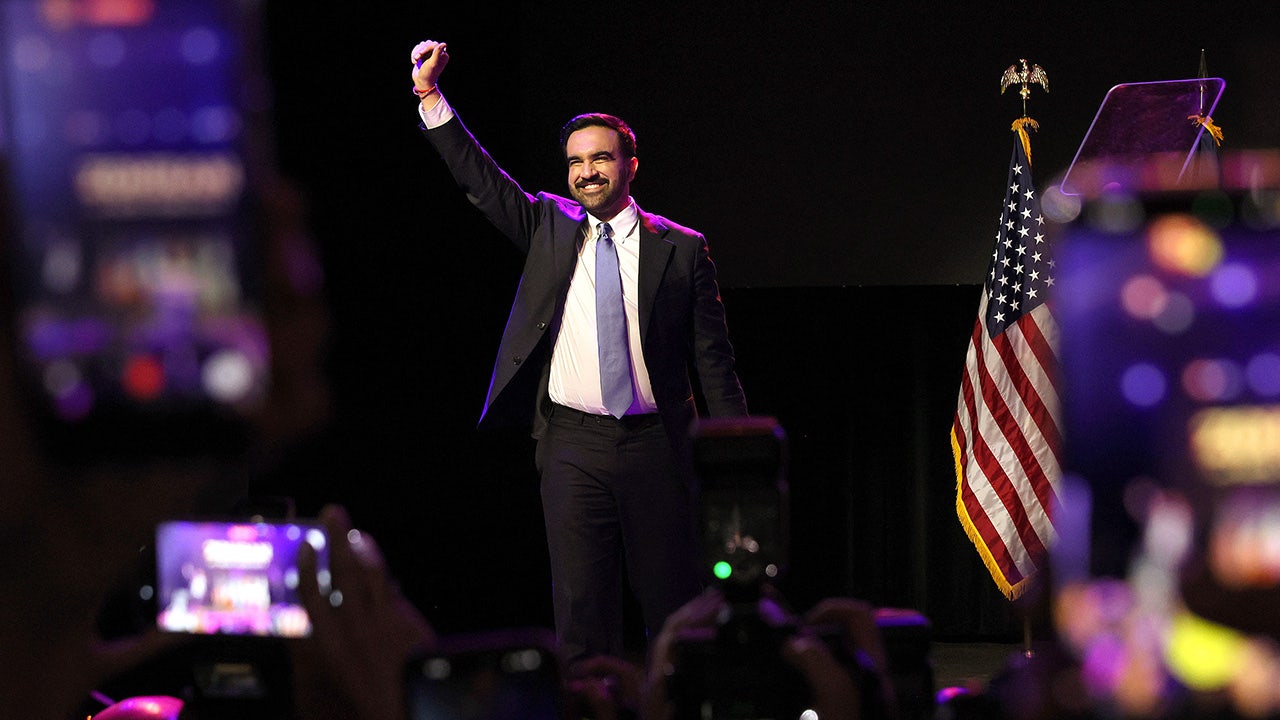
In the wake of Zohran Mamdani’s victory as New York City’s mayor-elect, Republicans have wasted no time attempting to use his self-described socialist identity as a political weapon against Democratic candidates nationwide. Two races have become early targets of this strategy: the Michigan Senate primary featuring Abdul El-Sayed and Colorado’s 8th Congressional District, where Manny Rutinel is challenging Republican incumbent Gabe Evans. The Republican National Committee (RNC) is eagerly drawing connections between these candidates and Mamdani, betting that association with progressive politics that succeeded in New York will prove toxic in more moderate districts.
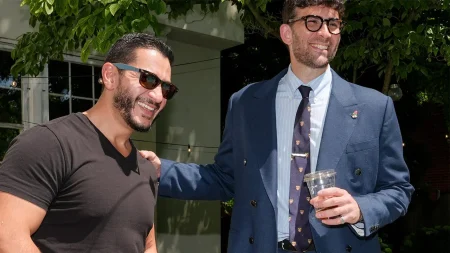
The strategic calculus behind these Republican efforts reflects a fundamental question facing Democratic candidates outside deep-blue strongholds: will alignment with Mamdani’s progressive vision energize their base and create momentum, or will it ultimately alienate moderate voters crucial for victory? In Michigan, El-Sayed has embraced policies similar to Mamdani’s platform, focusing on affordability, Medicare for All, and free higher education. While El-Sayed endorsed Mamdani before the mayoral election, he has been careful to define himself independently, telling reporters, “I am the Michigan Abdul. I always have been. I always will be.” Nevertheless, he acknowledges the policy resonance between his campaign and Mamdani’s, suggesting voters across the country are increasingly receptive to government solutions for economic inequality.
The Colorado situation presents a somewhat different dynamic. Democrat Manny Rutinel, a first-term state representative challenging Congressman Evans, hasn’t articulated a comprehensive policy platform on his website. Despite this relative silence, Republican groups have already begun attacking him by association. The Congressional Leadership Fund highlighted a video showing someone who appears to be Rutinel at a Mamdani campaign rally, using this brief appearance to suggest an ideological alignment. Rutinel’s campaign has not responded to these characterization attempts, while Evans’ office has emphasized that policies that might succeed in New York would face a very different reception in Colorado, portraying Democratic candidates as embracing “far-left socialist, extremist” positions.
This Republican strategy of painting Democratic candidates with a broad “socialist” brush isn’t new, but Mamdani’s victory provides a fresh focal point for these attacks. RNC spokeswoman Delanie Bomar made this explicit, declaring that “Americans want no part of socialism and Mamdani will ultimately sink Democrats’ chances around the country.” The underlying calculation is that while progressive policies might energize Democratic primary voters, they could prove detrimental in general elections where moderate voters hold significant sway. A political strategist familiar with campaigns in Colorado and Michigan acknowledged this tension, noting that candidates might embrace Mamdani-like positions to distinguish themselves in primaries, even if such alignment could become problematic in general elections.
What makes the current moment particularly interesting is how Mamdani’s victory represents both opportunity and risk for Democratic candidates. His success in New York City demonstrates the potential electoral power of addressing economic inequality, housing affordability, and expanded public services – issues that resonate beyond just progressive strongholds. For candidates like El-Sayed, there’s a genuine policy alignment around making government work better for everyday people struggling with rising costs. However, cultural differences between New York City and places like suburban Colorado create very different contexts for these policy discussions, allowing Republicans to frame similar positions as extreme or out-of-touch depending on the district.
The broader battle over Mamdani’s significance reflects the ongoing tension within Democratic politics between progressive and moderate wings. While Republicans attempt to use Mamdani as a cudgel against all Democratic candidates, the reality is more nuanced, with each race featuring its own local dynamics and voter concerns. As the 2024 election cycle continues, candidates will need to navigate this complex terrain, determining how much to embrace or distance themselves from high-profile progressives like Mamdani. For Republicans, the strategy seems clear: make Mamdani the new face of the Democratic Party and force every candidate to answer for his most controversial positions. For Democrats, particularly those running in competitive districts, the challenge will be articulating their own vision that resonates with local voters while not being defined solely by association with figures from very different political environments.