


American Opinions Divided on Venezuelan Operation
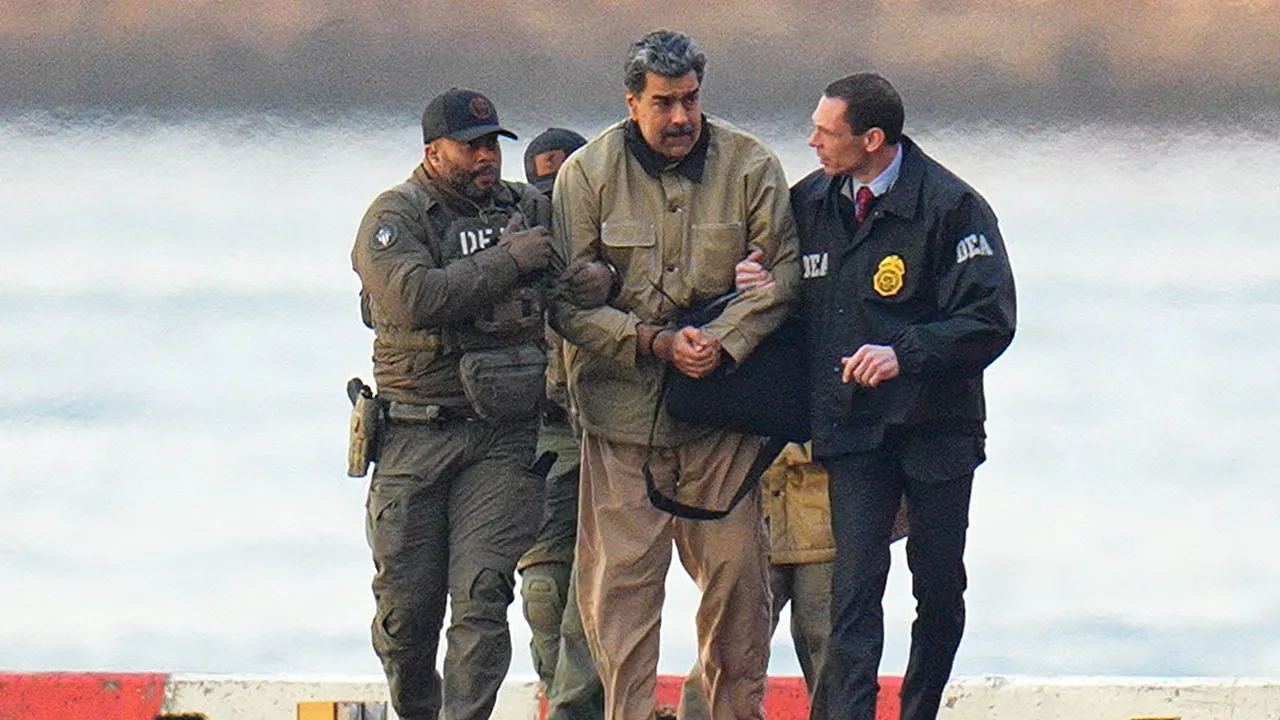
In a stark display of partisan division, a recent Reuters/Ipsos poll reveals dramatically different reactions to President Donald Trump’s military operation in Venezuela. The pre-dawn strike on Saturday resulted in the capture of Venezuelan leader Nicholas Maduro, who was subsequently handed over to U.S. federal authorities to face drug trafficking charges. The survey, conducted in the immediate aftermath of the operation, highlights how deeply political affiliation influences Americans’ views on foreign intervention, even within the Western Hemisphere.
Republican voters strongly supported the president’s decision, with 65% backing the military operation to arrest Maduro. This stands in sharp contrast to the views expressed by Democrats, among whom only 11% approved of the action. Independent voters landed somewhere in the middle, though still notably skeptical, with just 23% supporting the strike. The overall national picture reflects this division: approximately one-third of Americans approve of the mission, one-third disapprove, and the remaining third either have no opinion or declined to answer. These numbers underscore the challenge facing the administration as it attempts to build broader public support for its Venezuelan policy.
Despite President Trump’s previous criticisms of foreign interventions undertaken by past administrations, he has taken a decidedly assertive stance regarding Venezuela, declaring that the United States will “run” the South American nation. “We’re in charge,” Trump told reporters, signaling a potential shift in his approach to international engagement. His comments about sending U.S. ground troops to Venezuela if the nation’s leaders fail to cooperate, coupled with statements about needing “total access” to Venezuela’s vast oil fields and plans to rebuild its petroleum industry, have raised concerns across the political spectrum. A significant majority of Americans—72%—worry the United States might become too deeply involved in Venezuelan affairs, including 90% of Democrats, 74% of Independents, and even 54% of Republicans.
The question of military deployment further illuminates partisan divides in American foreign policy views. While 60% of Republican respondents supported sending U.S. troops to Venezuela, only 30% of all adults surveyed shared this position. This disparity reflects fundamental disagreements about America’s proper role on the world stage, particularly in regions traditionally considered within its sphere of influence. Interestingly, even among Republicans, there appears to be some hesitation about embracing a fully interventionist approach in Latin America. When asked if “the United States should have a policy of dominating affairs in the Western Hemisphere,” just 43% of Republican respondents agreed, with 19% disagreeing and the remainder uncertain or declining to answer—a nuance that suggests limitations to the “America First” approach when it comes to direct military intervention.
The Venezuelan operation comes at a complex moment in American politics, with the president seeking to project strength on the international stage while navigating domestic political challenges. Trump’s approval rating stood at 42% in this survey, representing a modest three-point improvement from the previous Reuters/Ipsos poll conducted in December. Whether the Venezuelan operation will contribute to a sustained boost in his popularity remains to be seen, particularly given the mixed public reaction to the mission itself. The administration now faces the difficult task of managing an international situation with significant implications for regional stability, energy markets, and migration patterns, all while contending with a deeply divided domestic audience.
For many Americans, regardless of political affiliation, the Venezuelan operation raises fundamental questions about the proper limits of U.S. power and the appropriate circumstances for military intervention. The stark partisan divide revealed by this poll reflects not just different tactical assessments of the Maduro arrest, but deeper philosophical disagreements about America’s role in the world. Democrats appear generally skeptical of military solutions and wary of what they might view as neo-imperialist tendencies, while Republicans seem more comfortable with projecting American power abroad, particularly when directed by a president from their own party. Independents’ views suggest a cautious middle ground that may prove crucial as the situation develops.
As events unfold in Venezuela and the administration determines its next steps, American public opinion will likely continue to evolve. The initial reactions captured in this poll provide a snapshot of a nation grappling with complex questions about intervention, sovereignty, and national interest. The president’s declaration that the U.S. will “run” Venezuela represents a significant departure from the more restrained foreign policy he has sometimes advocated, potentially creating tensions within his own political coalition. Meanwhile, Democratic opposition to the operation appears firm, creating a challenging political environment for sustaining long-term engagement. The coming weeks will test whether the administration can bridge these divides and build broader support for its approach to Venezuela, or whether domestic political polarization will further complicate an already complex international situation.