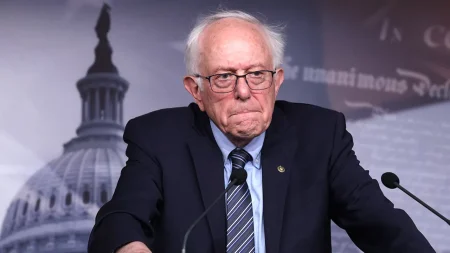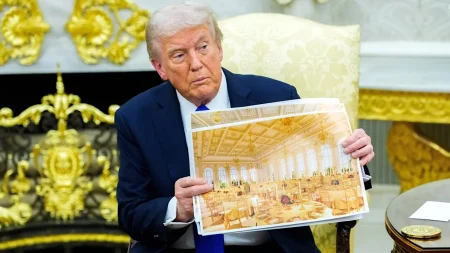




In the high-stakes theater of modern geopolitics, few relationships are as dizzyingly cyclical, or as tormentingly complex, as the shotgun marriage between Washington and Islamabad. Once again, Western policymakers find themselves watching in a mixture of awe and quiet exasperation as Pakistan’s formidable army chief, Field Marshal Asim Munir, emerges from the shadows of military intelligence to command the stage as a vital diplomatic intermediary in the escalating, potentially catastrophic Iran crisis. For decades, American foreign policy experts, intelligence analysts, and grieving military families have accused Pakistan’s deep state of playing a deadly double game—harboring the very militants who hunted American soldiers in the rugged mountains of Afghanistan, while simultaneously pocketing billions in U.S. aid. Yet, as the drums of war beat louder across the Middle East, the Biden administration and former President Donald Trump alike find themselves reluctantly returning to the same well, relying on Pakistan’s unique, albeit deeply compromised, regional leverage to de-escalate a conflict that could otherwise consume the global order. This sudden geopolitical pivot has reignited a fierce, polarized debate on Capitol Hill, laying bare the profound ideological fractures within the American political establishment. While hawks like Senator Lindsey Graham openly voice their absolute distrust, warning that Pakistan remains a duplicitous actor that cannot be thrown further than it can be trusted, Donald Trump has offered effervescent praise, calling the nation’s leadership “absolutely great.” Meanwhile, the White House, speaking through official channels, has quietly expressed its profound gratitude for Pakistan’s quiet mediation, proving that when the threat of nuclear escalation or regional war looms large, pragmatism almost always trumps historical resentment.
To truly understand the human and strategic weight of this diplomatic reunion, one must journey back through the scarred terrain of a relationship defined by spectacular betrayals and mutual exploitation. The deepest, most visceral wound in modern US-Pakistan relations remains the quiet military town of Abbottabad, where in 2011, U.S. Navy SEALs bypassed Pakistani air defenses to terminate Osama bin Laden within walking distance of Pakistan’s premier military academy. The realization that the world’s most wanted terrorist had been living in plain sight under the nose of Pakistan’s powerful Inter-Services Intelligence (ISI) shattered what little trust remained, cementing a narrative of double-dealing that has never truly evaporated. For years, as military analysts like Bill Roggio have pointed out, Pakistan viewed its foreign policy through the cold, calculated lens of its existential rivalry with India, seeking what its generals termed “strategic depth” by maintaining cozy, covert relationships with the Taliban and other militant groups in Afghanistan. This cold-blooded calculus meant that while Pakistani leaders shook hands with American presidents in the Oval Office, their intelligence apparatus was quietly tolerating or actively supporting the very insurgencies that were claiming the lives of thousands of young American service members. Yet, this tragedy was never one-sided; the human cost inside Pakistan itself was devastating, as the country’s alignment with the U.S. post-9/11 sparked a ferocious domestic blowback, unleashing a wave of retaliatory suicide bombings, sectarian violence, and political instability that claimed the lives of tens of thousands of ordinary Pakistani citizens who paid the ultimate price for their government’s high-stakes geopolitical gambling.
Adding fuel to this smoldering fire of mistrust is Pakistan’s fraught relationship with the atom, a legacy that continues to haunt the hallways of the Pentagon and State Department. The ghost of Abdul Qadeer Khan, the father of Pakistan’s nuclear bomb who operated a notorious black-market proliferation network that transferred sensitive nuclear blueprints and centrifuge technology to rogue states like Iran, Libya, and North Korea, still looms over every bilateral discussion. Today, this anxiety has taken on a more immediate and alarming shape with persistent, highly controversial allegations that Iranian military aircraft were quietly flown into Pakistani air bases to shield them from American or allied airstrikes during the peak of the recent military flare-up. Although Islamabad has vehemently denied these claims, branding them as baseless fabrications designed to sabotage its diplomatic standing, the mere whisper of such under-the-table collusion has sent shockwaves through Washington’s defense establishment. Opponents of the current diplomatic engagement argue that if Pakistan is indeed offering a sanctuary for Iranian military assets while simultaneously pretending to act as an impartial broker of peace, the United States is being played for fools once again. This persistent anxiety highlights the core contradiction of the alliance: Pakistan is a nuclear-armed state of over 240 million people, bordering Iran, China, and Afghanistan, possessing an undeniable ability to project power or sow chaos across the entire region, making it a nation that is simply too strategically dangerous to isolate, yet too structurally untrustworthy to ever fully embrace.
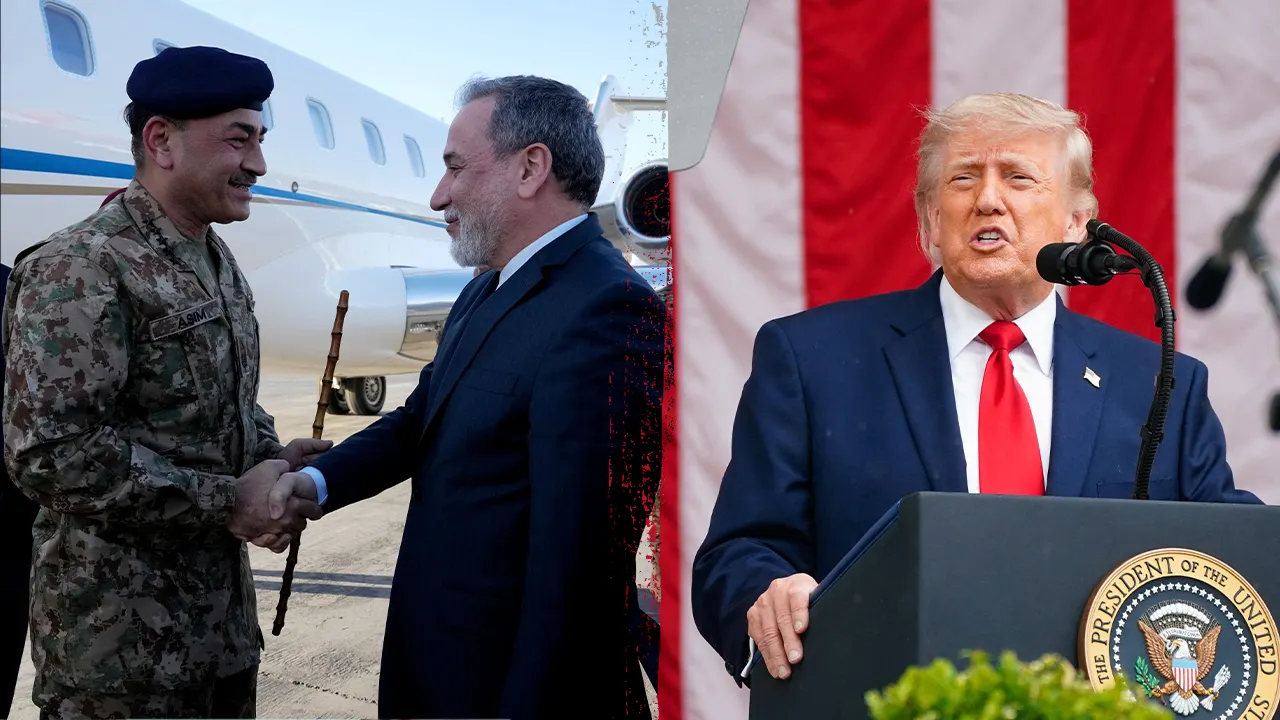
Yet, despite these historical ghosts and modern alarms, the realities of the ground have forced Washington into a pragmatic embrace of military strongman Field Marshal Asim Munir. In a country where civilian Prime Ministers often serve at the pleasure of the military establishment, the United States has long recognized that the real keys to Pakistani power reside in the army headquarters of Rawalpindi rather than the parliament in Islamabad. Donald Trump’s direct, personal engagement with Munir in recent weeks reflects a cynical but realistic recognition of this power dynamic, bypassing cosmetic democratic institutions to negotiate directly with the man who actually controls the country’s vast intelligence networks and nuclear arsenal. Munir, a seasoned soldier and former intelligence chief, has cleverly positioned himself as the ultimate backchannel negotiator, leveraging Pakistan’s complex, decades-old relationship with Tehran to deliver messages and extract concessions that no Western diplomat could ever hope to achieve. By stepping into this vacuum, the Pakistani military is not merely trying to prevent a catastrophic regional war; it is actively attempting to undergo a massive international branding makeover, transforming its image from a notorious exporter of instability into an indispensable purveyor of regional harmony and peace. For a cash-strapped Pakistan suffering from hyperinflation and political polarization at home, this diplomatic spotlight offers a priceless opportunity to secure economic goodwill, rebuild shattered alliances with the West, and prove to the world that its military remains the ultimate arbiter of stability in South Asia.
This high-wire act of diplomacy has seen Pakistan working in close tandem with Qatar, creating a fascinating division of labor that has redefined how conflict is managed in the modern Middle East. While Qatar has historically served as the glamorous, highly visible host for formal, high-stakes financial and political negotiations—most famously hosting the historic Doha talks that paved the way for the ultimate U.S. withdrawal from Afghanistan—Pakistan has quietly operated as the gritty, back-alley muscle of these diplomatic maneuvers. During the agonizingly long negotiations with the Taliban, it was Islamabad’s backchannel pressure and deep-rooted intelligence assets that kept the militant leadership at the negotiating table, demonstrating a level of structural influence that Washington detested but could never replicate. Today, as the crisis with Iran threatens to boil over, this tag-team approach is again on full display, with Doha managing the formal financial channels and diplomatic agreements, while Munir and his generals leverage their raw security ties to de-escalate tensions on the ground. However, this delicate balancing act is fraught with explosive internal contradictions for Pakistan itself, as its relationship with the newly empowered Taliban government in Kabul has deteriorated into open hostility, characterized by bloody border clashes and accusations that the Taliban are now sheltering anti-Pakistan militants who launch deadly attacks across the frontier. This tragic irony illustrates the perilous nature of Pakistan’s regional strategy: the very militant proxies it nurtured for decades to secure strategic leverage are now biting the hand that fed them, forcing Islamabad to confront the terrifying reality of an unstable neighbor that it no longer knows how to control.
Ultimately, the current drama surrounding Pakistan’s role in the Iran crisis serves as a powerful, sobering reminder of the cold, unsentimental nature of global statecraft, where moral consistency is routinely sacrificed on the altar of geopolitical survival. The endless, exhausting cycle of betrayal, public outrage, and subsequent reconciliation that characterizes the US-Pakistan relationship is not a failure of diplomacy, but rather its most defining feature, born of an inescapable geographic reality that neither nation can walk away from. For the United States, the memory of lost soldiers, nuclear black markets, and the betrayal of Abbottabad will never truly fade, and the skepticism voiced by lawmakers like Lindsey Graham will always find a receptive audience among a public weary of endless foreign entanglements and duplicitous allies. Yet, as the world stands on the precipice of a broader Middle Eastern conflagration, the raw strategic necessity of a nuclear-armed Pakistan bordering the world’s most volatile hotspots remains an undeniable truth that forces even the most cynical American leaders to pick up the phone and call Islamabad. In this endless, shadows-and-light dance of diplomacy, Field Marshal Asim Munir and his generals have once again proven that no matter how many times Pakistan burns its bridges with the West, its unique, dangerous, and indispensable position on the global chessboard ensures that Washington will always find a way to rebuild them.