


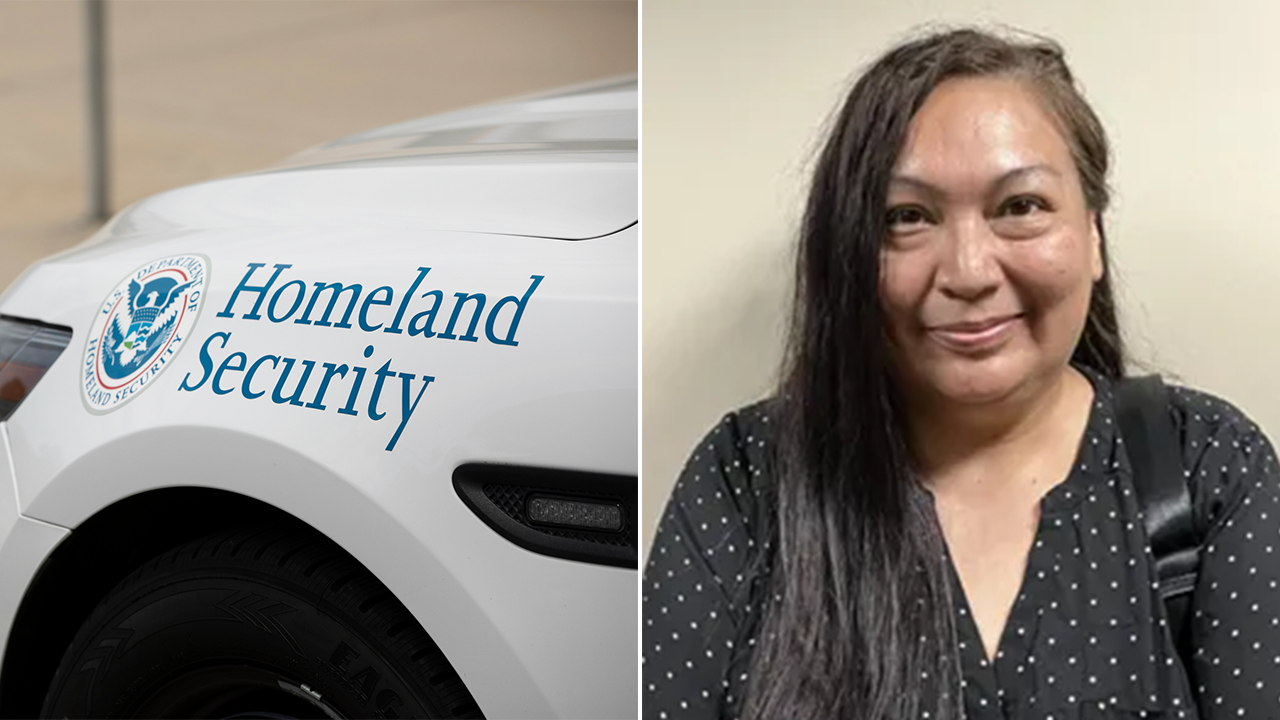
The integrity of the American electoral system is once again in the spotlight following the high-profile arrest of a foreign national in Louisiana. Denise Nataly Migliore, a 51-year-old lawful permanent resident originally from Australia, was taken into custody by federal authorities at a New Orleans courthouse. The arrest followed a detailed investigation by Immigration and Customs Enforcement (ICE) and Homeland Security Investigations (HSI). This case has quickly become a focal point in the raging national conversation regarding noncitizen voting, highlighting the legal boundaries of the democratic process and the serious real-world consequences awaiting those who step across them.
At the heart of the government’s case against Migliore is a four-count federal indictment returned by a grand jury in the Eastern District of Louisiana. Prosecutors allege that over a span of two years, Migliore knowingly and repeatedly bypassed federal voting laws. According to the indictment, she made false statements regarding her citizenship status when registering to vote in October 2022 and again in October 2024. Under U.S. federal law, voter registration forms explicitly require applicants to swear under penalty of perjury that they are citizens of the United States. Authorities contend that Migliore willfully misrepresented her status to gain access to the ballot box, despite holding only a green card.
The allegations extend beyond mere registration paperwork to the actual casting of ballots. Law enforcement officials assert that Migliore voted in the November elections of both 2022 and 2024. In each instance, she allegedly signed documents certifying her eligibility and citizenship at local polling stations. Because she remains an Australian citizen, she was legally barred from participating in these federal contests. The case underscores a persistent vulnerability in the registration system, where officials often rely on self-certification, but it also demonstrates that federal law enforcement is actively auditing and prosecuting those who violate the honor system.
This prosecution aligns with a broader, highly publicized crackdown by the Department of Homeland Security (DHS) aimed at deterring noncitizens from participating in American elections. Commenting on the arrest, Acting Assistant DHS Secretary of Public Affairs Lauren Bis delivered a stern, zero-tolerance warning to foreign nationals living in the United States. She emphasized that federal agencies are actively hunting for illegal voting activities, stating clearly that the consequences of such actions go far beyond minor administrative penalties. “Our message to aliens who vote in American elections is clear: we will find you, arrest you, and you will face the consequences, including criminal charges and deportation,” Bis declared, reinforcing the administration’s stance that only American citizens have a right to shape the country’s leadership.
The legal jeopardy now facing Migliore is substantial. If she is convicted on all counts of making false statements and illegal voting, she faces a maximum penalty of up to five years in federal prison. This would be followed by three years of supervised release. In addition to potential incarceration, the federal court can impose a massive financial penalty of up to $250,000, along with mandatory special assessment fees. Beyond these criminal penalties, a conviction would almost certainly trigger deportation proceedings, stripping her of her lawful permanent residency and permanently barring her from returning to the United States.
Migliore’s arrest is not an isolated incident but part of a legal landscape featuring similar prosecutions across the country, such as a recent guilty plea by a noncitizen former mayor in Kansas who admitted to illegal voting. These cases are frequently cited by advocates pushing for stricter voter identification laws and more rigorous citizenship verification systems at the state and federal levels. While debates continue to rage over the prevalence and impact of noncitizen voting, the swift federal intervention in Migliore’s case serves as a concrete reminder of the severe legal risks and life-altering consequences associated with unlawful participation in U.S. elections.