


Imagine being a parent in a suburban New Jersey town, dropping your child off at Westwood Regional School District, blissfully unaware that school policies might be quietly reshaping your child’s identity without your involvement. That’s the unsettling reality unfolding here, as a conservative legal group escalates tensions by threatening legal action against the district unless it ditches a controversial policy. This policy, known as Policy 5756, empowers schools to withhold students’ gender-identity details from parents and even support K-12 kids’ “social transitions” into transgender identities behind closed doors. It’s a battle that feels deeply personal, pitting parental instincts against institutional secrecy, and it’s sparking nationwide debates about who gets to guide a child’s journey through adolescence.
The Thomas More Society, a group dedicated to defending traditional values, fired off a demand letter to the Westwood district, claiming the policy flagrantly violates parental rights. They give the school just 20 days to repeal it or face a lawsuit, mirroring their successful strategy in California. Think about the families involved—mothers and fathers who might discover their child’s gender exploration only after it’s been facilitated by teachers, counselors, or administrators. School board members and the superintendent, when reached for comment, offered no response, leaving locals to speculate about internal deliberations. It’s a silence that echoes discomfort, as community forums boil over with concerned parents questioning how far educational institutions should go in overriding family decisions.
Peter Breen, the executive vice president of the Thomas More Society, shared his perspective with heartfelt urgency: “I had hoped this would end the practice of secret gender transitions, but what’s becoming clear to us is this is just the beginning.” His words paint this as more than a single dispute—it’s a rallying cry for parents across America who’ve felt sidelined. Breen isn’t stopping at New Jersey; he’s already fielding requests from other states, gearing up for more demand letters. This isn’t just about policy; it’s about reclaiming the emotional core of family life, where parents believe they should be the first and most trusted voices in their children’s world. In a nation grappling with identity and acceptance, these legal maneuvers evoke empathy for those who see themselves as protectors, not adversaries.
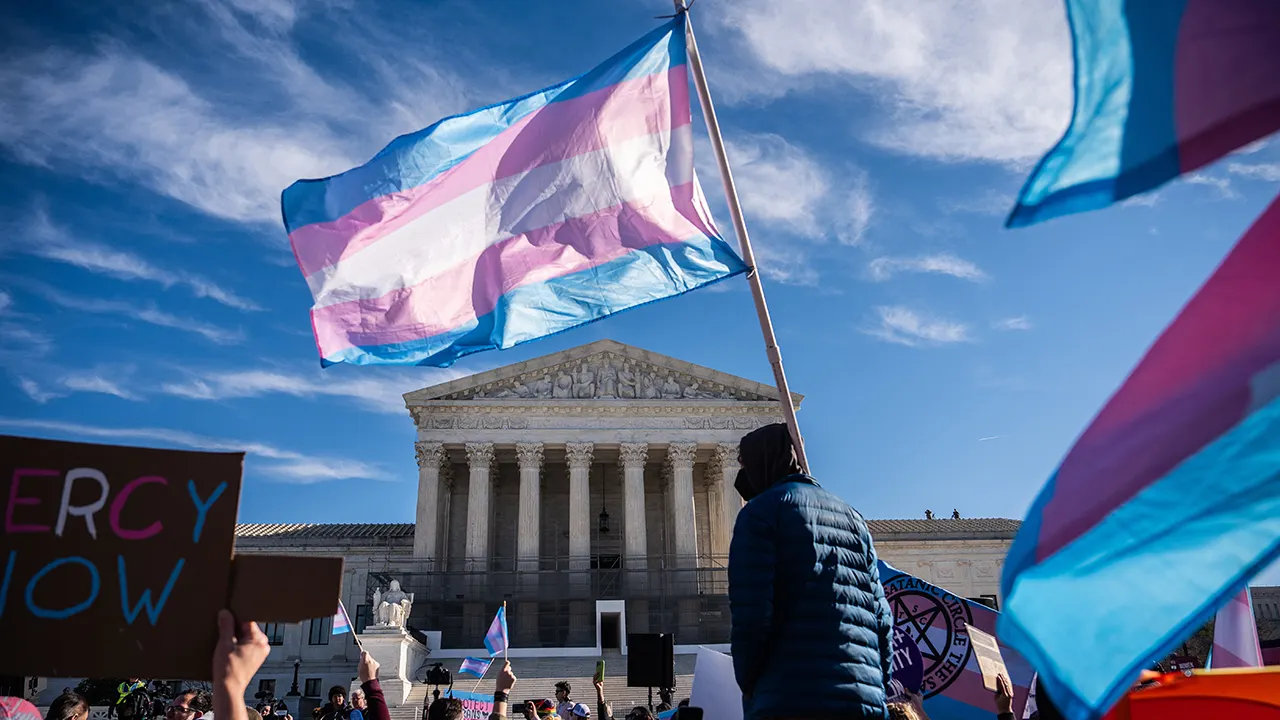
Drawing from the Supreme Court’s recent Mirabelli v. Bonta victory, this New Jersey showdown gains national weight. In that California case, parents and teachers challenged a state policy that barred school staff from informing guardians about a child’s transgender-related efforts unless the child approved. It even mandated using preferred names and pronouns over parental objections, creating rifts in homes where communication is key. The U.S. Court of Appeals for the 9th Circuit initially backed the policy, but parents appealed to the Supreme Court, which swiftly vacated the ruling in a 6-3 decision. The majority opinion, unsigned but impactful, emphasized that such policies undermine parental roles as natural guardians. Imagine the relief for families who’ve navigated these waters—knowing the court affirmed their right to be involved in decisions touching their children’s futures.
The ruling’s logic, as Breen noted, should resonate nationwide, making school officials potentially liable for defying parental rights under the First and Fourteenth Amendments. Corey DeAngelis, a research fellow at the Heritage Foundation, hailed it as a beacon for conservatives, predicting broader impacts despite its California focus. He spoke of “good things to come,” where lawsuits in other states could reinforce family autonomy. Beyond this, the high court has lined up wins for traditional views, like certifying a Tennessee ban on certain transgender medical treatments for minors in Skrmetti and upholding military restrictions on transgender service in an emergency order. These decisions often split 6-3 along ideological lines, highlighting a cultural divide that feels like a tug-of-war over human dignity and choice.
Looking ahead, the Supreme Court has two more high-stakes cases on the docket, expected by summer: one involving a therapist offering alternative counseling to transgender youths based on religious beliefs, and another on transgender athletes in women’s sports. These could redefine boundaries further, affecting everyday lives from classrooms to playing fields. For parents in Westwood and elsewhere, this isn’t abstract; it’s about trust, love, and the future of their kids. As battles rage on, the human element remains paramount—families seeking connection in an era of rapid change, where every policy shift ripples through homes striving for unity. In humanizing these legal skirmishes, we remember the faces behind the headlines: the anxious parents, the evolving children, and the educators caught in the middle, all navigating a world where identities are more fluid than ever.