


Nancy Pelosi’s Appearance at Bob Weir Tribute Sparks Online Criticism
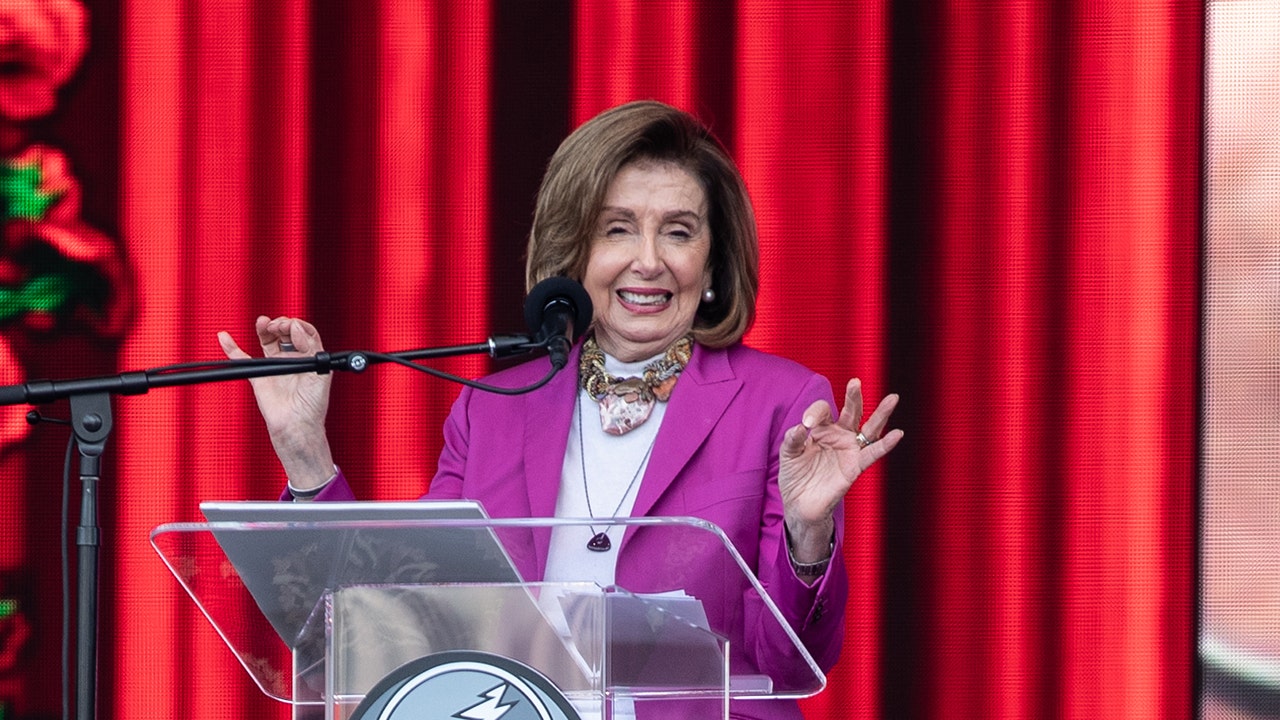
Former House Speaker Nancy Pelosi found herself at the center of controversy after her appearance at a tribute event honoring Grateful Dead co-founder Bob Weir in San Francisco. The 85-year-old politician, who has previously identified herself as a “Deadhead,” joined thousands of fans and musicians at the San Francisco Civic Center to celebrate Weir’s life following his death at age 78 earlier this month. During the event, Pelosi delivered a speech about Weir’s legacy and was seen swaying and singing along as John Mayer performed the Grateful Dead classic “Ripple.” Her participation quickly became the subject of scrutiny across social media, with many questioning both her demeanor and her inclusion in the tribute.
During her remarks, Pelosi occasionally stumbled over her words, at one point saying, “Bobby Weir was not just a magician, musician – a magician too – he was a force of nature.” She also used the platform to deliver a political message, holding up a “vote” sign while telling the audience, “Bobby really loved democracy, he loved our country. You know what he wanted everybody to do? Vote!” This attempt to inject politics into a memorial event didn’t sit well with many observers. Social media quickly filled with critical comments, with some users questioning if she was intoxicated, while others focused on her bright magenta outfit that stood in stark contrast to the predominantly black attire worn by others on stage.
The criticism extended beyond just her speech and appearance, with many questioning why Pelosi, who announced her upcoming retirement from Congress after her current term ends in 2027, was featured so prominently at the event in the first place. Comments ranged from bewilderment to sarcasm, with one user writing, “My bingo card today didn’t include Nancy Pelosi singing ‘Ripple’ along with John Mayer at the Bobby Weir send off.” Despite the backlash, the event continued as planned, featuring performances and appearances from other notable musicians including folk icon Joan Baez and country singer Wynonna Judd.
Bob Weir’s death on January 10 was confirmed by his family through a statement on his Instagram page. “It is with profound sadness that we share the passing of Bobby Weir. He transitioned peacefully, surrounded by loved ones, after courageously beating cancer as only Bobby could,” the statement read, noting that he ultimately succumbed to lung problems. Weir’s passing marked the end of an era for Grateful Dead fans worldwide, making the tribute event a significant moment for the community to gather and honor his musical legacy and cultural impact that spanned decades.
The incident highlights the often complex relationship between politics and cultural events, particularly when public figures attempt to navigate both worlds. Pelosi, who has represented San Francisco in Congress since 1987, has long claimed to be a fan of the Grateful Dead, but her presence at this memorial has raised questions about the appropriateness of political figures inserting themselves into cultural tributes. While some defenders might argue that Weir himself was politically engaged and would have appreciated the voter encouragement, critics saw it as an unnecessary politicization of what should have been a purely celebratory and memorial event.
As social media continues to allow for immediate public reaction to public figures’ appearances and statements, this incident serves as another reminder of how quickly perception can shape narrative. While the event was primarily intended to honor Bob Weir’s musical legacy and provide closure for fans, Pelosi’s participation became a notable distraction that generated its own storyline. The contrast between the solemnity of mourning a cultural icon and the political overtones introduced by Pelosi’s speech exemplifies the challenges public figures face when attempting to participate in events that straddle both cultural and potentially political significance. As of the reporting, Nancy Pelosi had not responded to requests for comment on the backlash.