


Trump’s Focus on Foreign Affairs Draws Criticism from Rep. Marjorie Taylor Greene
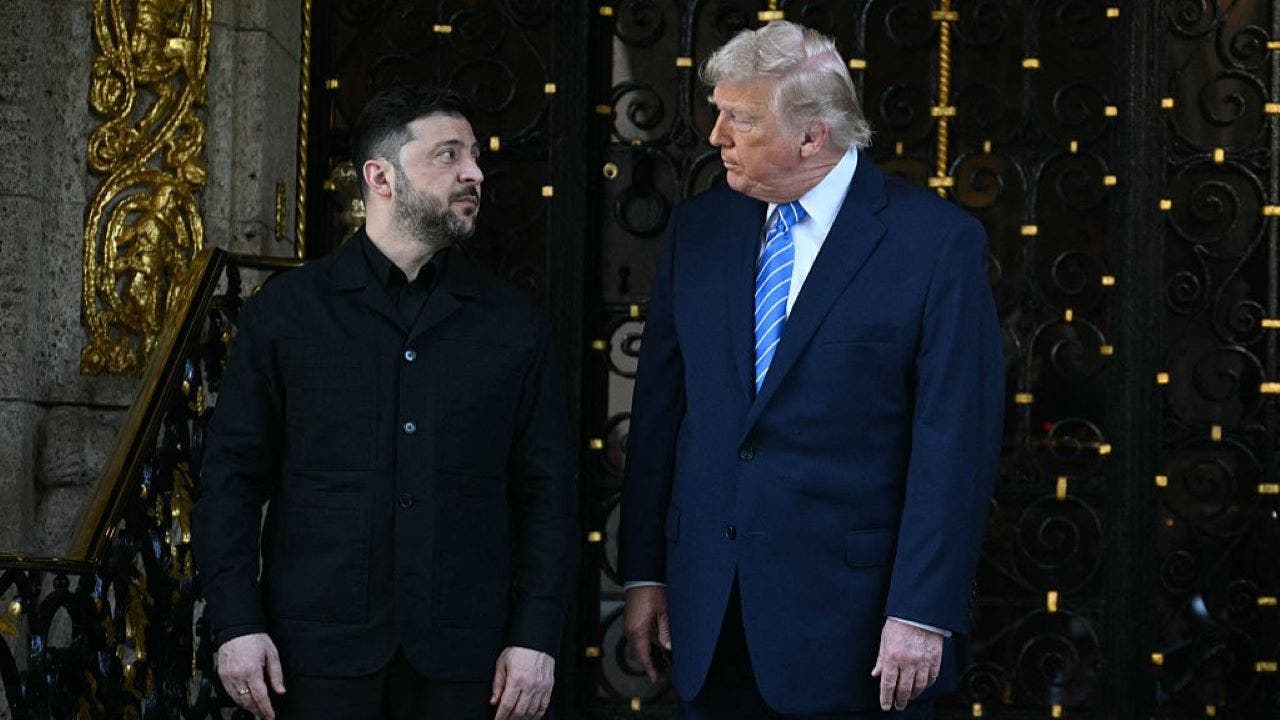
In a pointed critique of President Trump’s recent diplomatic engagements, Rep. Marjorie Taylor Greene (R-Ga.) urged the president to redirect his attention to domestic concerns rather than international conflicts. As Trump hosted Ukrainian President Volodymyr Zelenskyy at Mar-a-Lago on Sunday to discuss a potential peace plan for the Russia-Ukraine war, followed by a scheduled meeting with Israeli Prime Minister Benjamin Netanyahu on Monday, Greene took to social media with a simple plea: “Can we just do America?” Her comment reflects growing tension within certain segments of the Republican Party about the administration’s international priorities at a time when many Americans are focused on domestic challenges.
The meetings represent significant diplomatic efforts by Trump, who has been deeply engaged with both conflicts since returning to the White House. Sunday’s discussions with Zelenskyy centered on developing a peace plan to end the war that began with Russia’s invasion in February 2022, though both leaders acknowledged that while progress was made, “thorny issues” remain unresolved. Netanyahu’s visit—marking their sixth meeting this year—aims to address Israel’s ongoing conflicts in the Middle East. These high-level discussions demonstrate Trump’s active role in attempting to mediate some of the world’s most complex geopolitical crises.
Greene’s criticism aligns with her consistent opposition to U.S. military aid for foreign countries embroiled in conflict. The congresswoman, who is set to resign from the House in January, has been particularly vocal about her concerns regarding American involvement in both the European and Middle Eastern theaters. She has previously characterized Zelenskyy as “a dictator who canceled elections” and has described Israel’s military campaign in Gaza as “genocide and humanitarian crisis”—positions that have sometimes placed her at odds with mainstream Republican foreign policy views and with Trump himself.
The tension between Greene and Trump is not merely about foreign policy priorities but reflects a deeper personal rift that has developed in recent months. Their public disagreement escalated after Greene pushed for the release of documents related to investigations into Jeffrey Epstein, the deceased sex offender. This advocacy apparently displeased Trump to such an extent that he withdrew his endorsement of Greene and labeled her a “traitor,” signaling a significant break in their previously aligned relationship. This background adds another layer to Greene’s criticism of Trump’s meetings with foreign leaders.
The divergence between Trump and Greene represents a broader debate within Republican circles about America’s role on the world stage. While Trump has demonstrated a willingness to engage directly with international leaders in an effort to resolve global conflicts, Greene’s “America First” stance suggests a preference for more isolationist policies that prioritize domestic concerns over international entanglements. This philosophical split mirrors discussions happening throughout the party as Republicans grapple with defining their foreign policy vision in a rapidly changing global landscape.
As Trump balances these high-stakes diplomatic engagements with domestic priorities, Greene’s critique raises important questions about how the administration should allocate its attention and resources. Her straightforward question—”Can we just do America?”—resonates with voters who feel that domestic challenges should take precedence over international diplomacy. However, the reality of presidential leadership often requires simultaneous attention to both domestic and foreign affairs, especially when conflicts abroad have significant implications for American security and economic interests. How Trump navigates these competing demands will likely remain a point of contention not only with Greene but within broader political discourse as his presidency progresses.