


Zohran Mamdani Makes History as New York City’s First Muslim Mayor
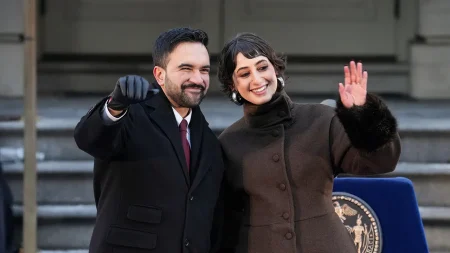
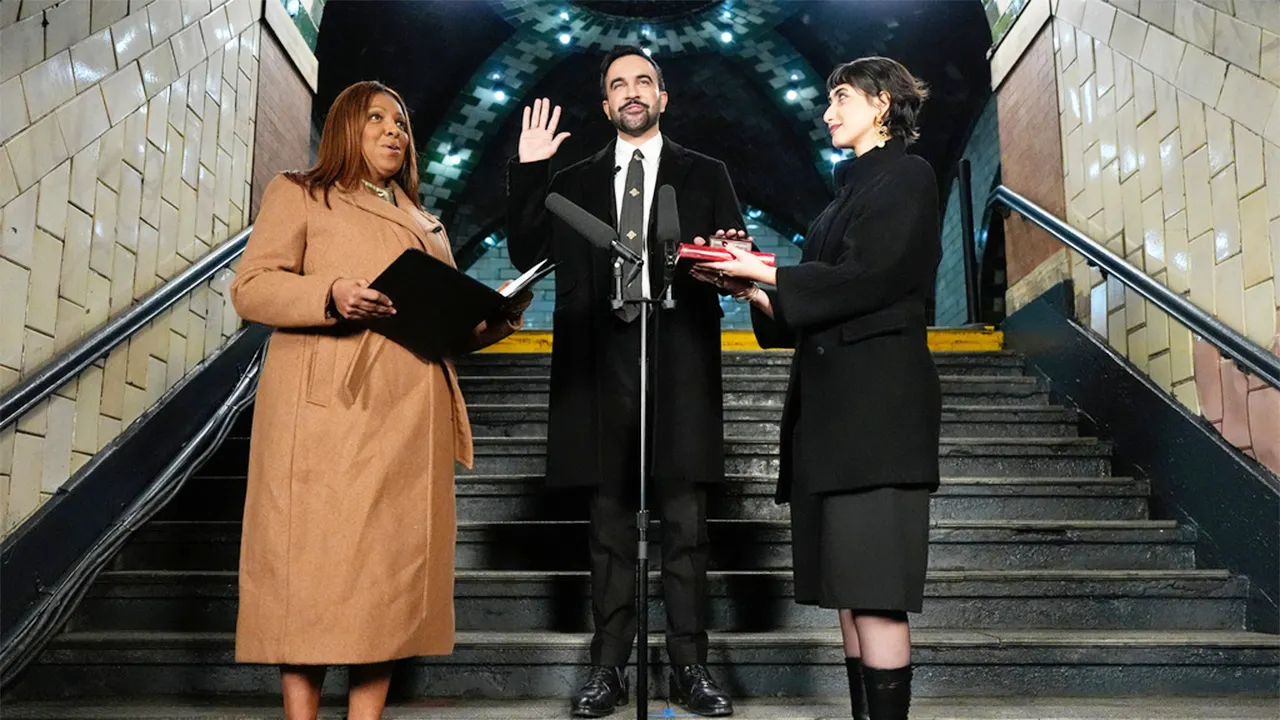
In a symbolic midnight ceremony at the historic Old City Hall Station, Zohran Mamdani was sworn in as New York City’s mayor, marking a significant milestone as the city’s first Muslim mayor and the first to take his oath on the Quran. New York Attorney General Letitia James administered the oath in the private ceremony attended by Mamdani’s family members at the decommissioned subway station, which dates back to 1904. The location was carefully chosen to represent the vital role of public transportation in New York’s identity and to symbolize Mamdani’s vision for the city. “This is truly the honor and the privilege of a lifetime,” Mamdani said in his brief remarks, calling the historic venue a “testament to the importance of public transit to the vitality, the health and the legacy of our city.”
The midnight swearing-in ceremony reflects Mamdani’s commitment to building a city “by and for New Yorkers,” with his transition team explaining that the Old City Hall Station symbolizes how the subway system serves as the “lifeblood of New York.” In his prepared statement, Mamdani expressed that the station represents “a city that dared to be both beautiful and build great things that would transform working peoples’ lives.” He emphasized that this ambitious vision “need not be a memory confined only to our past” but would become “the purpose of the administration fortunate enough to serve New Yorkers.” During the ceremony, he also announced his appointment of Mike Flynn as the new Department of Transportation commissioner, signaling early priorities for his administration.
Mamdani’s rise to become mayor represents a remarkable political journey. Just months ago, in October 2024, his support registered in single digits when he announced his mayoral campaign. Yet by November, the self-described socialist had soundly defeated both former New York Governor Andrew Cuomo and Republican candidate Curtis Sliwa in a dramatic electoral victory. His win adds to what some observers have described as a series of successful campaigns by progressive candidates in recent elections. Following the private midnight ceremony, Mamdani concluded with a smile, telling the small gathering, “Thank you all so much, now I will see you later,” before departing up a flight of stairs—a humble exit that contrasted with the historic significance of the moment.
The new mayor’s public inauguration is scheduled for Thursday afternoon at 1 p.m. on the steps of City Hall, where Vermont Senator Bernie Sanders will administer the oath of office. Another progressive ally, Democratic Representative Alexandria Ocasio-Cortez, will deliver opening remarks at the ceremony, highlighting Mamdani’s connections to prominent national progressive figures. In a departure from tradition, where inauguration tickets are typically limited to around 4,000 attendees, Mamdani’s transition team has invited all New Yorkers to attend both the inauguration and a block party immediately following the ceremony—a gesture that aligns with his populist approach and emphasis on accessibility.
Mamdani’s election represents several significant firsts for New York City—most notably as the city’s first Muslim mayor and the first to take his oath on the Quran. This milestone comes in a city known for its diversity and immigrant heritage, yet which had never before elected a Muslim to its highest office. The symbolism of his midnight swearing-in at an original subway station further reinforces his message of serving everyday New Yorkers and honoring the city’s working-class roots. As he transitions from candidate to mayor, Mamdani faces the challenge of translating his progressive vision into practical governance for America’s largest city.
The inauguration of Mamdani arrives at a pivotal moment for New York City, as it continues to recover from pandemic-era challenges and navigate evolving economic, housing, and transportation issues. His socialist platform and rapid political ascent have generated both enthusiasm among progressives and concern from more moderate voices about how his policies might reshape the city. With his appointments beginning to take shape, including Mike Flynn at the Department of Transportation, New Yorkers will soon see how Mamdani’s campaign promises translate into administrative action. As he closed the ceremony at the historic subway station and prepared for his public inauguration, Mamdani embodied the intersection of New York’s diverse present and its ambitious future—a mayor who has pledged to lead “millions of New Yorkers into a new era of opportunity” while carrying “forward our city’s legacy of greatness.”