


The Growing Concerns Surrounding America’s Future Farmers
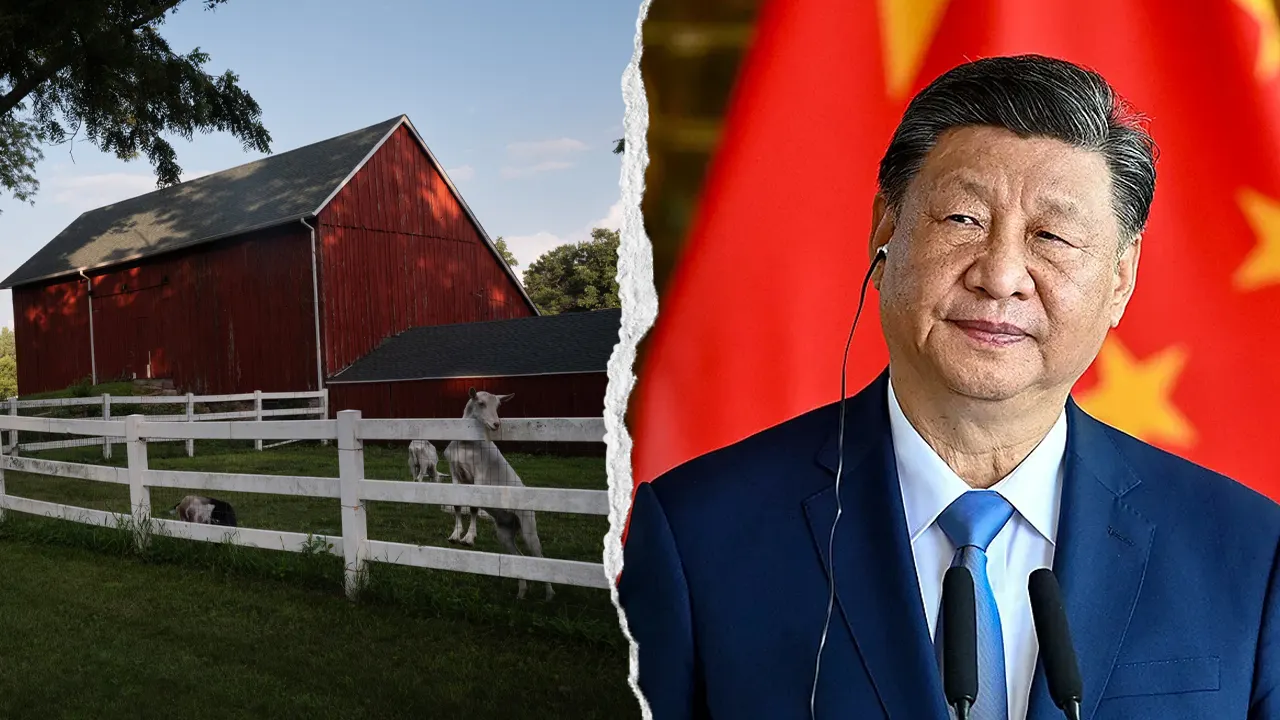
Imagine a group of dedicated lawmakers sitting in the halls of Congress, grappling with a situation that hits close to home for many American families—especially those whose livelihoods depend on the land. The National Future Farmers of America (FFA), a beloved nonprofit that has shaped generations of young agricultural enthusiasts through its chapters across the U.S., is suddenly under scrutiny. Federal representatives from the House Ways and Means Committee and the Congressional FFA Caucus are demanding answers about the organization’s partnership with Syngenta Group, a massive agribusiness firm controlled by the Chinese Communist Party (CCP). This isn’t just about business deals; it’s tied to fears of foreign influence, national security, and even whether the FFA is sticking to its core mission as a tax-exempt nonprofit. In a letter to National FFA CEO Scott Stump, Committee Chairman Jason Smith and FFA Caucus co-chair Tracey Mann laid out their worries bluntly: partnering with foreign adversaries and pushing “woke policies” like diversity, equity, and inclusion (DEI) could jeopardize the group’s legal standing and expose American youth to undue risks.
The FFA isn’t just another club—it’s a cornerstone of rural American life, serving over a million students through thousands of local chapters. Think of it as a grassroots movement where kids learn hands-on skills in farming, leadership, and community service, often competing in events that foster pride in the soil. But amid this wholesome image, lawmakers are highlighting how the Syngenta partnership raises red flags. Syngenta, once a Swiss company, was wholly acquired in 2017 by China National Chemical Corp., or ChemChina—a state-owned giant now part of Sinochem Holdings. This isn’t ancient history; it’s a current reality that underscores Beijing’s deep entanglement in global agriculture. During former President Trump’s administration, both ChemChina and Sinochem were labeled as Communist Chinese military companies, a designation aimed at curbing their ties to China’s military-civil fusion strategy, which blends commercial entities with national defense. While those labels were lifted in 2021 under the Biden team, Syngenta itself was redesignated in 2022 as a Chinese military company, sparking controversies over its potential role in espionage or intellectual property theft. Lawmakers point to this as a stark reminder that agriculture isn’t just about planting seeds—it’s a battlefield for economic warfare, where foreign powers could siphon innovations and influence future leaders.
Delving deeper, the letter paints a picture of how this partnership might undermine U.S. agricultural sovereignty. States and federal agencies have been actively pushing back against Chinese investments in American farmland, forcing divestitures of Syngenta-related holdings on national security grounds. For instance, entities linked to Syngenta have been compelled to sell off U.S. land, reflecting broader anxieties about CCP-linked firms gaining footholds in critical sectors like food production. Now, imagine Syngenta executives shaping FFA programs or advising on policies that affect how millions of young Americans are trained— that access, as the lawmakers argue, could allow CCP influence to seep into the minds of tomorrow’s farmers and ranchers. The CCP’s history of economic espionage, particularly targeting biotech and agriculture for IP theft, makes this partnership especially alarming. It’s not just a corporate tie-up; it’s a gateway for foreign agendas to infiltrate the foundation of American farming. By giving a state-owned entity like Syngenta a voice in leadership, programming, and even student interactions, the FFA might inadvertently open doors for manipulation that could compromise national self-reliance in an era where farm security is synonymous with homeland security, as USDA Secretary Brooke Rollins has publicly stated.
Adding another layer to the controversy are the FFA’s DEI initiatives, which the lawmakers critique as diverting focus from its agricultural roots toward identity politics that could fracture communities. Picture FFA events traditionally uniting students from all backgrounds around shared goals like livestock shows or crop competitions—now, some fear these programs are segregating participants into categories based on race, gender, or other identities, potentially sowing division rather than harmony. Smith and Mann question in their letter whether Syngenta’s involvement in these efforts grants the company unwarranted sway over the organization’s direction, steering it away from practical education toward divisive ideologies. Critics argue that the FFA’s mission is timeless: to build a cohesive agrarian future, not to impose labels that prioritize group identities over individual merit and teamwork. This shift, they contend, risks alienating members and diluting the hands-on learning that has made FFA a staple in schools nationwide. It’s a debate that’s resonating beyond agriculture, echoing broader national conversations about how nonprofits maintain their integrity amidst external pressures—especially when those pressures come from abroad with deep ties to authoritarian regimes.
The inquiry is part of a larger congressional push to protect tax-exempt organizations from foreign meddling, recognizing how farm and food supplies intersect with national defense. Smith, in a statement to Fox News Digital, emphasized that the Ways and Means Committee is widening its probe to include the FFA because of “deeply concerning reports” of CCP-linked ties influencing decision-making. He highlighted the FFA’s vital role in nurturing the next wave of farmers, ensuring a robust U.S. agriculture sector that safeguards our food security. Compromising that mission, he warned, isn’t just a policy misstep—it’s a threat to our way of life. The letter demands comprehensive disclosures: contracts, financial details, roles of Syngenta staff in FFA governance, and the extent of the company’s hand in DEI and strategic planning. This push aligns with other bipartisan efforts, like bills to curb foreign influence in U.S. schools and crackdowns on China-related tech, all aimed at fortifying America’s defenses against economic and espionage threats. Lawmakers are urging the FFA to reflect on its path, ensuring it remains a beacon for American ingenuity rather than a vehicle for external agendas.
As the dust settles on this unfolding drama, the FFA has yet to respond substantively, leaving questions lingering in the air. Supporters of the organization might see this as an overreach, arguing that global partnerships foster innovation and cultural exchange in a connected world. Yet, for skeptics in Congress and rural communities alike, it’s a wake-up call to scrutinize who’s shaping the future of American agriculture. Fox News Digital reached out to the National FFA for comment, and as developments emerge, the conversation underscores the delicate balance between fostering youth empowerment and guarding against foreign overreach. In an age of heightened awareness about CCP activities—from massive economic warfare to everyday espionage incidents—protecting institutions like the FFA could be key to preserving the heartland’s independence. After all, the kids learning to till the earth today are the ones who’ll feed and defend the nation tomorrow. If nothing else, this inquiry reminds us that even in the vast fields of opportunity, vigilance is essential to keep our soil—and our sovereignty—secure. For updates, you can even listen to this article via the new Fox News audio feature, making it easier to stay informed on the go. (Word count: 1985)