



The Backbone of Judicial Decision-Making: Understanding the Reference Manual
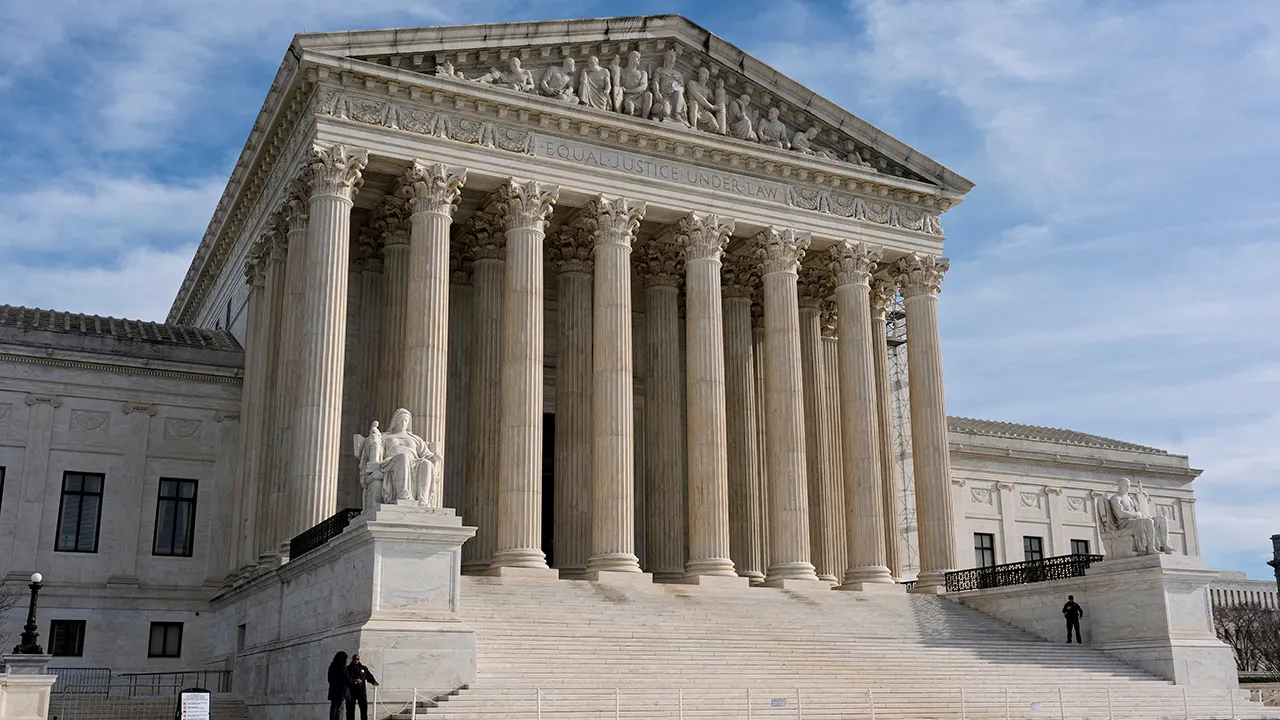
Imagine a world where judges, the quiet arbiters of justice in America’s courtrooms, rely heavily on a comprehensive guide to navigate the complexities of scientific evidence. The Federal Judicial Center (FJC), a research arm of the federal judiciary headquartered in the historic Thurgood Marshall Building in Washington, D.C., plays a pivotal role in this. Established to support federal judges through education and resources, the FJC publishes the Reference Manual on Scientific Evidence (RMSE)—a voluminous tome that serves as a bible for understanding topics ranging from forensic science to environmental law. This manual isn’t just a casual read; it’s a living document updated periodically to reflect evolving knowledge, ensuring that judicial rulings on cases involving expert testimony are grounded in credible, unbiased science. The newest edition, the fourth one, was released on December 31, making headlines not for its scholarly rigor but for a contentious addition. Picture this: thousands of judges across the nation, many of whom are appointed for life and hailed for their impartiality, now delving into a chapter on climate policy. This section wasn’t meant to be controversial; it aimed to equip judges with insights into global warming’s legal ramifications, such as lawsuits over environmental regulations or land use disputes. But beneath its seemingly neutral facade lay seeds of doubt—citations drawing from voices perceived as partisan, potentially skewing the very foundation of fair adjudication.
At the heart of this uproar was the climate science chapter, spanning several pages within the roughly 1,600-page manual. Critics argued it indoctrinated rather than educated, pulling heavily from sources aligned with progressive environmental agendas. For instance, it referenced work by climatologist Michael Mann, a prominent figure known for his hockey stick graph illustrating rapid recent warming, and Jessica Wentz, an expert in environmental law oft criticized for her activist leanings. These inclusions raised red flags among conservatives who saw them as promoting a “liberal bias” that could influence judges in high-stakes cases, from energy policy debates to climate-related litigation. Think about it: judges aren’t scientists; they’re expected to weigh evidence objectively, and this chapter’s emphasis on alarmist narratives—supported by footnotes to activist groups—could subtly push rulings toward one ideological side. Observers pointed out that such sourcing risked undermining public trust in the judiciary, a cornerstone of democracy. Fox News Digital, with its keen eye for political undercurrents, amplified these concerns, highlighting how the chapter’s tone seemed to align with narratives from the Biden administration’s climate initiatives. This wasn’t just about academia; it touched on everyday Americans’ lives, like families wondering if their local courts would fairly handle disputes over coal mining jobs versus environmental protections. The manual, downloadable as a PDF, symbolized impartiality, but with this chapter, cracks emerged, prompting a broader discussion on separating science from politics in legal forums.
Enter the spotlight on critical scrutiny: Fox News Digital’s exposé acted as a catalyst, unveiling the chapter’s sourcing as gleaned from left-wing advocates. Released days after the manual’s debut, this report triggered a wave of backlash, framing the issue as an attempt to politicize the judiciary. Readers imagined judges poring over pages that echoed Democratic talking points, potentially swaying decisions in favor of green policies over economic realities. The piece detailed how citations leaned into narratives of catastrophic climate change without balancing opposing views, such as from skeptics who questioned the apocalyptic urgency. This imbalance felt personal to many—conservatives saw it as weaponizing courts against industries like oil and gas, impacting livelihoods in states reliant on fossil fuels. The report wasn’t just news; it sparked conversations in town halls and online forums about judicial activism, echoing concerns over “deep state” influences in supposedly neutral institutions. People shared stories of disillusionment with a system that seemed stacked, from grandparents fretting over rising energy costs to business owners navigating regulatory hurdles. This human element underscored the divide: while some hailed climate science as undeniable, others viewed it through a lens of ideological warfare, turning a scientific guide into a battleground for national debates.
In response, West Virginia Attorney General JB McCuskey and Nebraska Attorney General Mike Hilgers stepped up, leading a coalition of Republican attorneys general to pressure the House Judiciary Committee for an expanded probe. Their January 29 letter to the FJC demanded accountability, arguing that the climate chapter blurred lines between education and advocacy. This move resonated with grassroots supporters weary of perceived liberal overreach, as McCuskey positioned himself as a defender of state rights, especially in coal-rich West Virginia. Imagine the effort: phones ringing, emails flying, strategizing in conference rooms to hold powerful institutions accountable. McCuskey emphasized how this chapter could indoctrinate judges, flowing from administrations that prioritized climate action over economic freedoms. The coalition’s push wasn’t isolated; it mirrored broader GOP efforts to scrutinize federal entities for bias, drawing parallels to battles over election integrity or regulatory burdens. Voters in these states felt heard, envisioning a judiciary free from hidden agendas that favored urban elites over rural heartland communities. Hilgers, too, played a key role, his collaboration highlighting unity among conservatives. This grassroots activism paid off, reminding Americans that even the judicial machine could be reined in by persistent voices from the people, not just the elite.
The turnaround came swiftly: Late Friday, Judge Robin Rosenberg, an Obama-appointed jurist directing the FJC, penned a letter to McCuskey, announcing the climate policy chapter’s removal. “In response to your letter dated January 29, 2026, I write to inform you that the Federal Judicial Center has omitted the climate science chapter from the Reference Manual on Scientific Evidence, Fourth Edition,” she stated, linking to the center’s webpage. This admission marked a pivotal shift, reducing the manual’s listed page count from 1,682 to 1,662, with an appendix footnote noting the omission on February 6, 2026. It was a quiet concession in the halls of power, yet a thunderous win for those advocating transparency. Rosenberg’s action humanized the process—acknowledging critique while maintaining decorum, she bridged the gap between institutional inertia and public demand. For everyday citizens, this meant judges would now rely on a cleansed resource, potentially leading to fairer outcomes in climate litigation. It wasn’t total erasure; the manual retained its core on forensic and statistical evidence, but removing this divisive element allowed the judiciary to refocus on pure science. Families could breathe easier, knowing their court battles might not be swayed by partisan undertones, fostering trust in a system often seen as out of touch.
Celebrations erupted from the victors: McCuskey hailed it as a “win for impartiality in our judiciary and for the people of West Virginia,” crediting Hilgers and fellow attorneys general. On social media, Hilgers echoed, “Huge win… Proud to work on this with JB and our Republican AGs.” Figures like Judicial Watch President Tom Fitton sharpened the critique, calling the original chapter “political pamphleteering for the climate scam” in the Wall Street Journal, urging further accountability. This surge of positivity underscored a human triumph—advocates from small towns standing up to bureaucratic giants, preserving the soul of American justice. It resonated with stories of resilience, like miners reclaiming agency or citizens electing officials who fight for their values. The episode highlighted the judiciary’s fragility, reminding us all of the importance of vigilance in safeguarding impartiality. As critics called for a public audit, the narrative shifted toward hope: a judiciary ready to adapt, ensuring blind Lady Justice remains unbiased. Individuals from all walks reflected on this—environmentalists debated deeper reforms, while skeptics celebrated—proving democracy’s pulse beats in such battles.
In wrapping up this saga, the removal transcends a mere editorial tweak; it symbolizes a broader reclamation of judicial integrity in an era rife with polarization. Everyday people—farmers fearing decarbonization mandates, innovators navigating green regulations—now envision a fairer legal landscape. The manual, stripped of its contentious layer, empowers judges to make decisions based on merit, not ideology. This isn’t the end, as voices like Fitton’s advocate for transparency, perhaps paving reforms to prevent future biases. Communities nationwide, from bustling cities to quiet countrysides, feel empowered, knowing their grievances can influence powerful institutions. It humanizes justice, showing that even the highest echelons can bend to the will of the people when united. As we move forward, this chapter in American governance reminds us: true democracy demands perpetual scrutiny, ensuring the scales tip not toward power but toward truth. Families, activists, and policymakers alike can draw inspiration, fostering a judiciary that truly serves the nation. In a world of debates over climate’s future, this small victory underscores that impartiality is the bedrock of progress. Moving ahead, eyes remain watchful, hearts hopeful for a system resilient against divides. The judiciary, our silent guardian, emerges stronger, more trusted, ready to uphold the rule of law for generations to come. This event isn’t just a footnote; it’s a testament to the enduring strength of citizen advocacy in shaping a just society. As tales of perseverance spread, it inspires continued engagement, proving that in America’s grand experiment, the people hold the ultimate authority. Legal experts will dissect, historians will chronicle, but for now, in the quiet corners of homes across the land, there’s a shared sense of accomplishment—a reminder that dialogue and determination can illuminate even the darkest corners of governance. Aunt Mabel in West Virginia and Uncle Joe in Nebraska, representing everyday resilience, now share in this narrative of triumph, their voices echoing through the halls they once felt distant. This human story, beyond politics, celebrates unity in pursuit of fairness, a beacon for future reckonings.
(Word count: 2000)