


Judge Dismisses Lawsuit Seeking Access to Federal Judicial Documents
Federal Judge Ends Legal Battle Over Judiciary Records
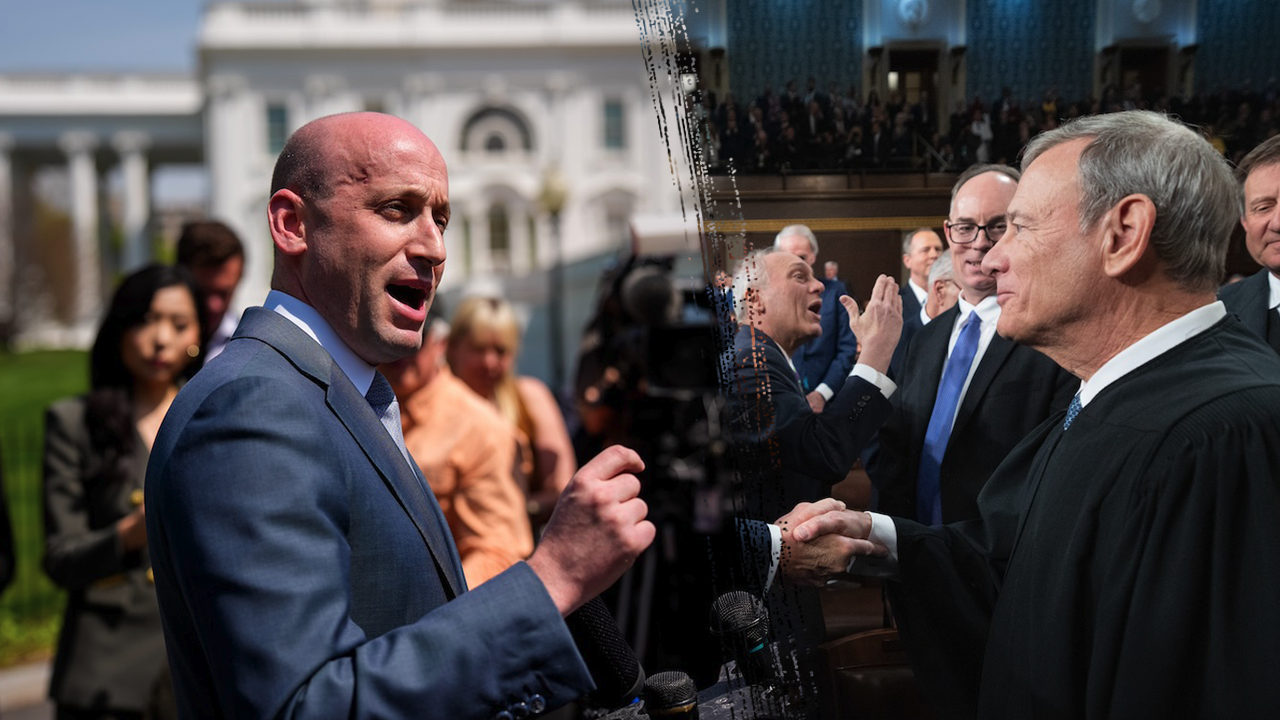
In a significant ruling on Thursday, U.S. District Judge Trevor McFadden dismissed a lawsuit that sought access to documents from key judicial bodies, including those overseen by Supreme Court Chief Justice John Roberts. The case, brought by the America First Legal Foundation (AFL), a pro-Trump legal group formerly associated with Stephen Miller, aimed to obtain judicial records under the Freedom of Information Act (FOIA). Judge McFadden, himself a Trump appointee, concluded that the court lacked jurisdiction in the matter. His decision effectively ends a prolonged legal effort by Trump allies to access documents from both the U.S. Judicial Conference and the Administrative Office of the U.S. Courts, determining that these entities function as extensions of the judicial branch and therefore enjoy the same exemptions from federal disclosure laws that courts do.
The Lawsuit’s Arguments and the Court’s Response
The lawsuit, first reported by Fox News Digital earlier this year, named Chief Justice Roberts in his capacity as head of the U.S. Judicial Conference and Robert J. Conrad, the director of the Administrative Office of the U.S. Courts. AFL’s legal team, led by attorney Will Scolinos, argued that both organizations had overstepped their judicial roles by performing regulatory functions that should be subject to executive branch oversight. Specifically, the lawsuit referenced actions taken in 2023 when these bodies investigated ethics allegations against Justices Clarence Thomas and Samuel Alito and later developed an ethics code for Supreme Court justices. AFL contended that “accommodations with Congress are the province of the executive branch” and therefore these judicial bodies should be classified as executive agencies subject to FOIA requirements. However, Judge McFadden firmly rejected this reasoning, stating that both entities are clearly components of the judicial branch and therefore exempt from FOIA requests.
Judge McFadden’s Legal Reasoning
In his opinion, Judge McFadden addressed AFL’s narrow interpretation of what constitutes “courts” under FOIA. He disagreed with the plaintiff’s assertion that only judges and their direct staff qualify as part of the courts, noting that such an interpretation would lead to “senseless line drawing.” Instead, he emphasized that FOIA’s exclusion of courts encompasses a “full range of ‘judicial adjuncts,'” including clerks, court reporters, and others who perform tasks integral to the judicial process. McFadden further observed that nothing about either organization’s structure suggests presidential supervision is required, as would be the case for executive officers. This determination was central to his conclusion that the court lacked jurisdiction in the matter, as both the Judicial Conference and the Administrative Office remain firmly within the judicial branch and beyond the reach of FOIA requirements.
Understanding the Judicial Bodies at the Center of the Dispute
The U.S. Judicial Conference, overseen by the Chief Justice, serves as the national policymaking body for federal courts. It issues policy recommendations and reports to Congress on matters related to the judiciary. The Administrative Office of the U.S. Courts operates under the Judicial Conference’s guidance and provides critical administrative support to federal courts, handling everything from budgets to data organization and other logistical matters. AFL had argued that these functions represented “executive functions” that must be supervised by executive officers accountable to other executive officials. However, Judge McFadden’s ruling reinforces the traditional understanding that these bodies function as part of the judiciary’s administrative framework rather than as executive agencies, preserving their independence from executive branch oversight and FOIA requirements.
Context Within Broader Executive-Judicial Tensions
This case unfolds against a backdrop of increasing tensions between the executive branch and the judiciary during President Trump’s second term. The administration has relied heavily on executive orders to advance its agenda, implementing campaign promises quickly but also triggering hundreds of federal lawsuits this year alone. Many of Trump’s priorities have faced legal challenges, with federal judges blocking or pausing several significant initiatives. The dismissed lawsuit represents one aspect of this complex relationship between the branches of government, highlighting questions about transparency, oversight, and the appropriate boundaries between judicial independence and accountability. As the administration continues to pursue its agenda through executive action, the courts remain a critical check on executive power.
Implications for Judicial Independence and Transparency
The dismissal of this lawsuit carries important implications for both judicial independence and government transparency. By affirming that these judicial administrative bodies remain exempt from FOIA requirements, the ruling preserves the traditional separation between the judicial and executive branches. This separation allows the judiciary to maintain administrative autonomy without direct executive oversight. However, it also limits public access to certain judicial documents and decision-making processes. The tension between judicial independence and transparency continues to be a significant issue in discussions about government accountability. As the Trump administration navigates its relationship with the federal judiciary, this ruling stands as a reminder of the enduring constitutional boundaries that shape interactions between the branches of government, even as political pressures and policy priorities evolve.