


New York Honors Muslim American Heritage with Historic Celebration
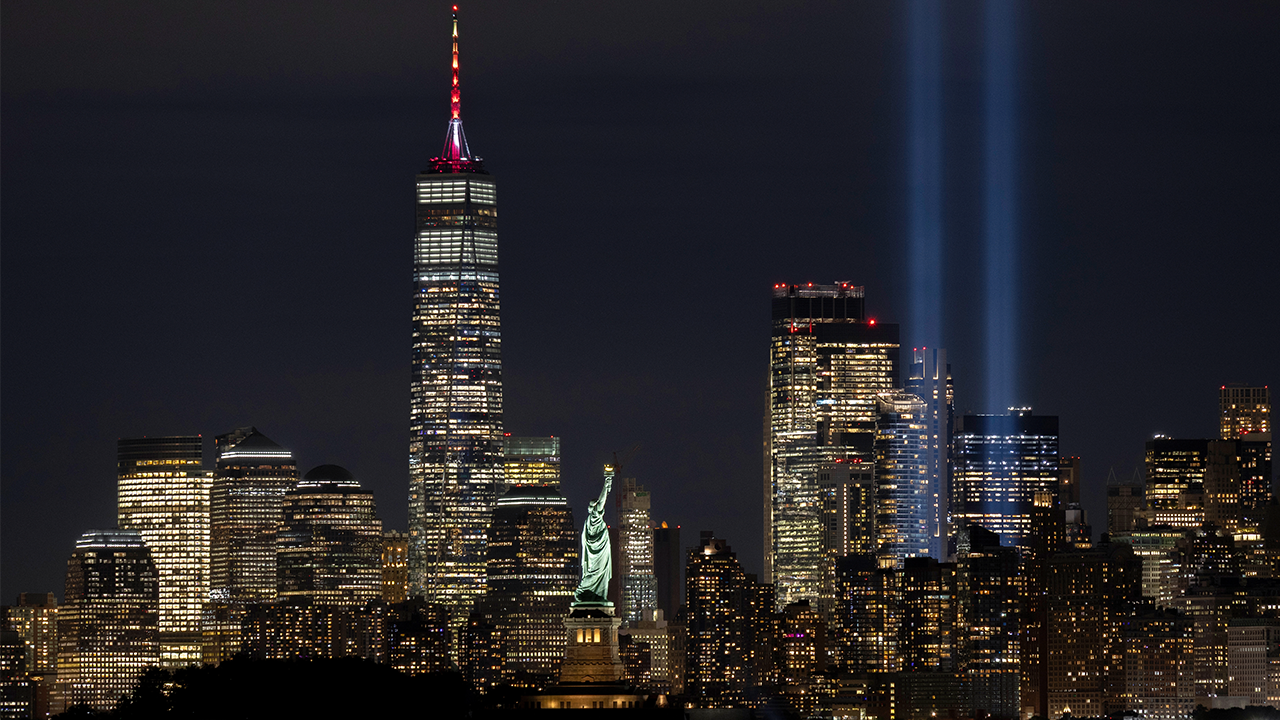
In a landmark decision, New York Governor Kathy Hochul officially proclaimed January as Muslim American Heritage Month, bringing recognition to one of the state’s most vibrant communities. The proclamation, issued on Friday, was accompanied by a symbolic illumination of 16 state landmarks in green, including the iconic One World Trade Center in New York City. “Home to the largest Muslim American population in the nation, New York is proud to join in this month-long celebration, recognizing the values, faith, and traditions of our Muslim American communities,” Governor Hochul stated. This recognition highlights New York’s ongoing commitment to fostering an environment of inclusion and respect for its diverse population, while also taking a stand against Islamophobia and discrimination.
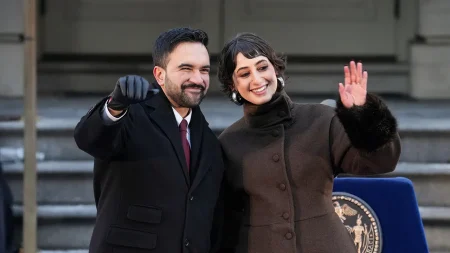
The timing of this proclamation carries additional significance as it follows closely on the heels of Zohran Mamdani’s historic inauguration as New York City’s first Muslim mayor, who took his oath of office on the Quran just one day earlier. Reflecting on this milestone, Mayor Mamdani acknowledged the long-standing but often overlooked presence of Muslims in New York: “Muslims have been part of New York for centuries. We have built small businesses, raised our families, pursued every profession, enriched our culture and cuisine, and been a part of what makes our city what it is today.” His words emphasize how this recognition doesn’t create a new place for Muslim Americans, but rather acknowledges the place they have always occupied in the fabric of New York society.
The designation received enthusiastic support from Muslim political leaders across the state, including New York State Assembly Deputy Majority Leader Charles Fall, State Senator Robert Jackson, and New York City Council members Shahana Hanif and Yusef Salaam. Their collective appreciation underscores the importance of representation and recognition in public life. Mohammad Razvi, CEO of the Council of Peoples Organization, pointed to the deeper meaning of this proclamation, noting that it acknowledges the Muslim community’s “resilience in the years following 9/11—while continuing to strengthen New York through immigrant contributions, civic leadership, and service.” His comments highlight how this recognition serves as an affirmation of the Muslim community’s integral role in the social, cultural, and civic spheres of New York.
The choice to illuminate One World Trade Center carries profound symbolism that doesn’t escape notice. Standing on the site where 6 World Trade Center once stood before the 9/11 attacks, the building represents both remembrance and resilience. While acknowledging that the perpetrators of those attacks identified as Muslims, it’s crucial to understand they represented al-Qaeda, a violent extremist group whose actions have been condemned by mainstream Muslim communities worldwide. This nuanced understanding reflects New York’s ability to distinguish between the peaceful faith practiced by millions of Muslim Americans and the extremist ideologies that have misappropriated religious identity for violent purposes—a distinction that has not always been made clearly in American discourse.
The contributions of Muslim Americans to New York’s economic and social landscape are substantial and wide-ranging. According to the Institute for Social Policy and Understanding, Muslims comprise 12.5% of pharmacists, 40% of taxi drivers, and more than 57% of street food vendors in New York City. These statistics illustrate just a fraction of the community’s impact on daily life in the metropolis, from healthcare to transportation to the culinary experiences that define the city’s character. Muslim Americans have woven themselves into the essential fabric of New York, providing vital services and cultural richness that benefit all New Yorkers, regardless of faith or background.
Governor Hochul’s proclamation represents more than just symbolic recognition—it reflects a vision of New York as “a beacon of hope, tolerance, and inclusivity.” This vision acknowledges the complex realities of religious and cultural diversity in America today, including ongoing challenges. While celebrating the contributions of Muslim Americans, New York continues to confront various forms of religious and ethnic prejudice. Reports indicate that anti-Jewish incidents accounted for 54% of all hate crimes in New York City in 2024, a sobering reminder that the work of building true religious tolerance remains unfinished. The designation of Muslim American Heritage Month stands as part of a broader commitment to creating a society where people of all faiths and backgrounds are, in Razvi’s words, “seen, valued, and included”—a commitment that requires ongoing effort, education, and mutual respect across all communities.