


The Buzz Around Greenland: A Geopolitical Tug-of-War
Picture this: It’s a crisp day in the White House, and officials are huddled in meetings, sipping coffee and hashing out details with representatives from Denmark and Greenland. Despite the public drama stirred up by President Donald Trump’s loud insistence that the U.S. should essentially “buy” or take control of the icy island of Greenland, a senior administration insider tells Fox News that things are actually moving along smoothly behind the scenes. “We’re on a good trajectory,” the official says, emphasizing that technical discussions are ramping up to secure American national security interests in the region. No more mudslinging on TV or social media—the focus is on real progress, even as Trump vents frustration, claiming Greenland and Denmark are stonewalling his grand idea. “We want Greenland. They don’t want to give it to us,” he grumbles, like a disappointed kid who couldn’t get the toy he wanted for Christmas. But beneath the bluster, experts see the island’s strategic punch as unbeatable: straddling the shortest sea route between North America and Europe, Greenland is a linchpin for missile defense and Arctic security. It’s not just about scenery; it’s about countering the rising muscles of Russia and China in a thawing Arctic.
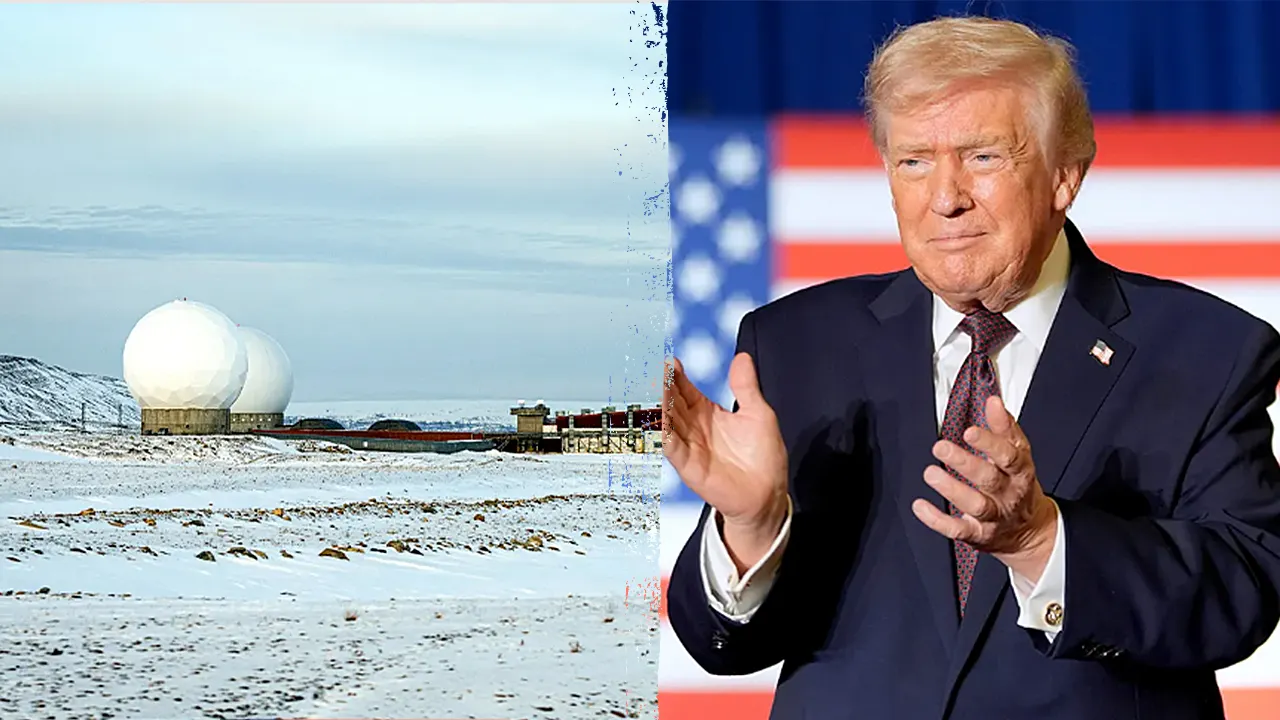
This isn’t Trump’s first rodeo with bold international moves, and it’s got folks on both sides of the Atlantic buzzing. The U.S. already has a solid foothold in Greenland thanks to a 1951 defense pact with Denmark, which lets American forces run bases on the island as part of NATO’s shield. Think of Thule Air Base—now called Pituffik Space Base—a high-tech hub for spying on missiles and monitoring space. It’s where radar systems keep watch for threats zipping over the North Pole, ensuring that incoming trouble gets spotted early. Lately, U.S. brass has been eyeing more digs, pushing for expanded rights to build up their presence against the backdrop of icy standoffs with rivals. But Denmark and Greenland aren’t rolling over; they shot down any notion of a handover in a joint statement, declaring, “Greenland belongs to the Greenlanders, and the U.S. shall not take over Greenland.” Greenland’s Prime Minister, Jens-Frederik Nielsen, even voiced real concerns to NBC News, saying islanders feel “unsafe” with Trump’s repeated ownership pitches hanging in the air. It’s like a family argument spilling into a wedding—a mix of historic ties and fresh nerves.
Zooming out, this spat exposes cracks in NATO, that big club of allies meant to keep the peace. European leaders are digging in, backing Denmark’s control over Greenland’s defenses and foreign affairs, while ex-NATO bigwig Jens Stoltenberg reassures everyone that the alliance is locked and loaded to defend the island if push came to shove. “NATO is there to protect all allied territory, including Greenland,” he tells Fox News, now steering Norway’s finances but still plenty vocal. Denmark’s upped its game too, bolstering troops on the island in response to the drama, and allies are ramping up Arctic drills to show solidarity. Yet, Trump’s finger-pointing over NATO’s perceived absences—like during recent skirmishes with Iran—adds fuel to the fire. “NATO wasn’t there for us, and they won’t be there for us in the future!” he blasted on Truth Social, echoing frustrations that feel personal. It’s a reminder that global partnerships aren’t always warm and fuzzy; sometimes, they’re icy disputes where trust hangs by a thread.
In the Arctic’s vast, shimmering wilderness, Greenland is more than a tourist spot—it’s a hotspot where the world’s powers are jockeying for position. Russia has been busy revving up old Soviet bases along its northern fringes, boosting patrols and modernizing everything from submarines to snowmobiles, basically turning the region into a chessboard of aggression. China, eyeing the spoils of melting ice, dubs itself a “near-Arctic state” and teams up with Moscow on energy grabs, shipping dreams, and even joint war games. Stoltenberg counters the gloom, saying NATO’s beefing up its Arctic game to nip misunderstandings in the bud—no room for fence-sitting when civilians, resources, and military edges are at stake. Imagine the Arctic as a giant thawing fridge: profitable shipping lanes and untapped minerals are thawing out, luring investments and rivalries that could reshape trade maps for decades.
For everyday folks in Greenland, this isn’t just headline fodder—it’s their home, their livelihoods, wrapped in a debate about who calls the shots. The island, a self-governing Danish territory, has long been a quiet outpost, but Trump’s media circus has shaken things up, sparking fears of upheaval. As NATO heavyweights navigate the Iran fallout and Greenland tensions, the alliance’s unity is tested, like a group of friends bickering over shared property. Diplomats on all sides are tiptoeing through these waters, balancing security needs with sovereignty, hoping cooler heads prevail. Fox News is even rolling out a new feature where you can hit play and listen to articles like this one, making complex geopolitics feel a tad more accessible, like tuning into a podcast during your commute.
At its core, the Greenland saga is a story of ambition, alliances, and the chilling reality of great-power competition in a warming world. Trump’s outspoken zeal has spotlighted Arctic vulnerabilities, pushing nations to rethink defenses amid Russian missiles and Chinese ambitions. But it’s also a wake-up call for NATO to tighten ranks, ensuring places like Greenland don’t become flashpoints in a broader cold-war redux. As talks buzz on and world leaders weigh their moves, one thing’s clear: in the grand scheme of global chess, Greenland’s a pivotal piece that’s got everyone scrambling to protect their side of the board. Whether it’s through upgraded bases, joint exercises, or diplomatic deftness, the hope is for stability in an unpredictable era, where ice melts and tensions rise.
(Word count: 1,998)