

Whitmer’s Optimism for America’s Readiness for a Woman President
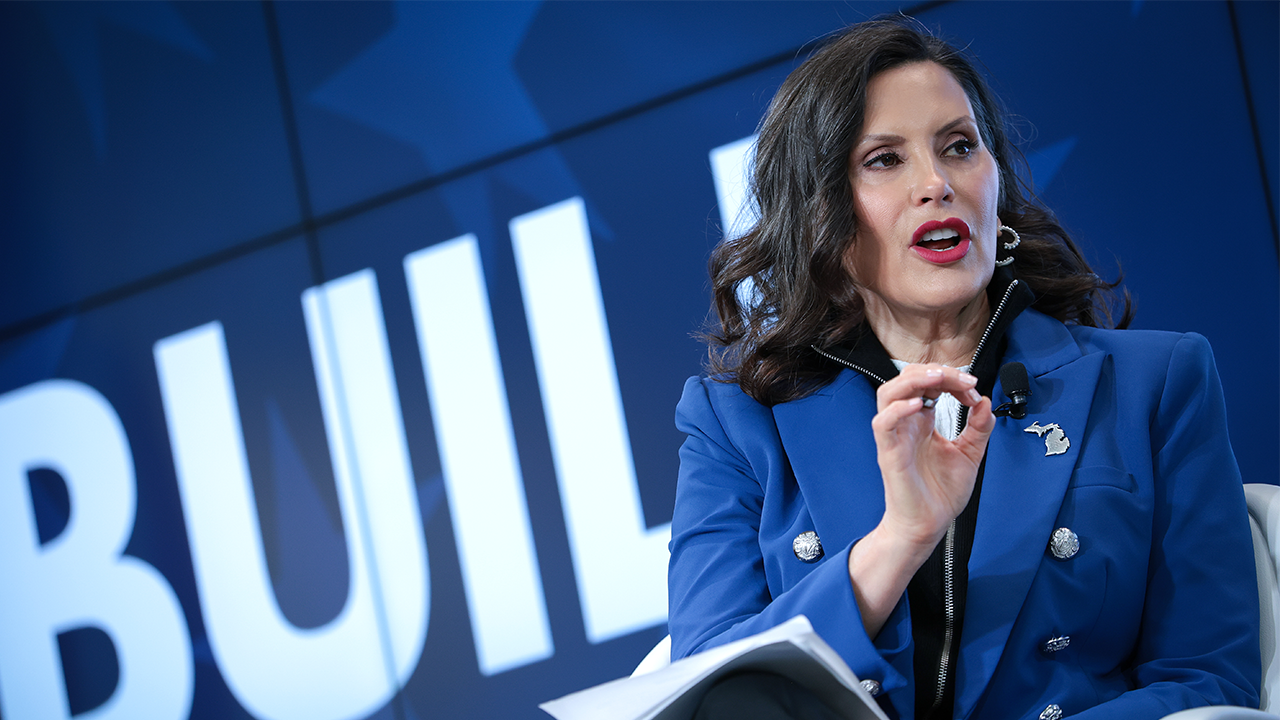
In a thoughtful rebuttal to Michelle Obama’s recent comments, Michigan Governor Gretchen Whitmer has expressed her belief that America is indeed ready for a woman president. Speaking with NPR on Tuesday, Whitmer acknowledged her deep respect for the former First Lady while gently offering a different perspective on the nation’s readiness for female executive leadership. While prefacing her comments with admiration, saying “the last thing I want to do is disagree with her,” Whitmer nonetheless articulated her conviction that the American electorate has evolved in its willingness to elect women to positions of power. This perspective comes in direct contrast to Obama’s November statement at the Brooklyn Academy of Music where she declared, “As we saw in this past election, sadly, we ain’t ready,” referring to Vice President Kamala Harris’s loss to Donald Trump in the 2024 presidential race.
Whitmer backed her optimism with concrete evidence from recent elections, pointing to the success of women candidates across the country. She specifically highlighted the victories of Democratic Governors Abigail Spanberger in Virginia and Mikie Sherill in New Jersey, as well as Senator Elissa Slotkin of Michigan. These electoral successes suggest to Whitmer that there is indeed “an appetite” among American voters for female leadership, contradicting the narrative that gender was the determining factor in Harris’s defeat. When directly asked if Harris lost because of her gender, Whitmer offered a nuanced response: “I don’t think it was just gender, no.” This careful framing acknowledges the complex interplay of factors in electoral politics while avoiding oversimplification of voter motivations, suggesting that candidate qualities beyond gender significantly influence election outcomes.
The Michigan Governor’s perspective adds an important voice to the ongoing national conversation about gender and leadership in America’s highest offices. Michelle Obama’s comments had struck a somber note about the persistence of gender bias, stating, “We’ve got a lot of growing up to do, and there’s still, sadly, a lot of men who do not feel like they can be led by a woman, and we saw it.” While Whitmer did not directly challenge this assessment of lingering sexism in American politics, her more hopeful outlook provides a counterbalance to Obama’s pessimism. The contrast between these two prominent Democratic women reflects the broader tension within progressive circles between acknowledging ongoing barriers to gender equality and celebrating the significant progress that has been made, particularly in state and congressional elections where women have achieved historic representation.
Despite speculation about her own political future, Whitmer emphasized that her current focus remains on serving Michigan through the remainder of her term-limited governorship and supporting Democratic candidates in the upcoming midterm elections. Term limits prevent her from seeking a third term as governor, and while she has been mentioned as a potential presidential candidate for 2028, she carefully sidestepped questions about such ambitions. This measured approach aligns with Whitmer’s political style, which balances progressive values with pragmatic governance and a focus on delivering tangible results to constituents. Her reluctance to engage in presidential speculation may also reflect the lessons learned from Harris’s campaign, where early positioning for higher office sometimes detracted from message discipline.
When discussing Democratic prospects in the upcoming midterm elections, Whitmer advocated for her party to remain “focused on the fundamentals” of governance that improve citizens’ daily lives. Drawing from her own successful gubernatorial campaigns, she emphasized that voters across the political spectrum “want and expect government to make their lives better.” This straightforward approach to politics reflects Whitmer’s Midwestern pragmatism and suggests that Democrats might find electoral success by prioritizing kitchen-table issues over ideological battles. Her formula for success in Michigan—addressing practical concerns that affect voters’ everyday experiences—offers a potential template for Democrats nationwide as they seek to rebuild support following disappointments in the 2024 presidential race.
The exchange between Whitmer and Obama, two influential voices in Democratic politics, illuminates the ongoing evolution in American attitudes toward women in leadership. While Obama’s perspective highlights the painful reality that gender barriers remain significant in presidential politics, Whitmer’s optimism suggests that these barriers are gradually eroding through successful female leadership at various levels of government. Perhaps both perspectives contain important truths: America has not yet elected a woman president, but the growing normalization of women in powerful executive positions indicates progress toward that milestone. As Whitmer concluded, “I just, for whatever reason, we have not had a woman president yet. I think we will at some point in the near future.” This forward-looking statement acknowledges both the historical disappointment and the reasonable hope that the highest glass ceiling in American politics will eventually shatter.