



Empowering Local Communities to Combat Organized Crime: Competing Visions in Congress
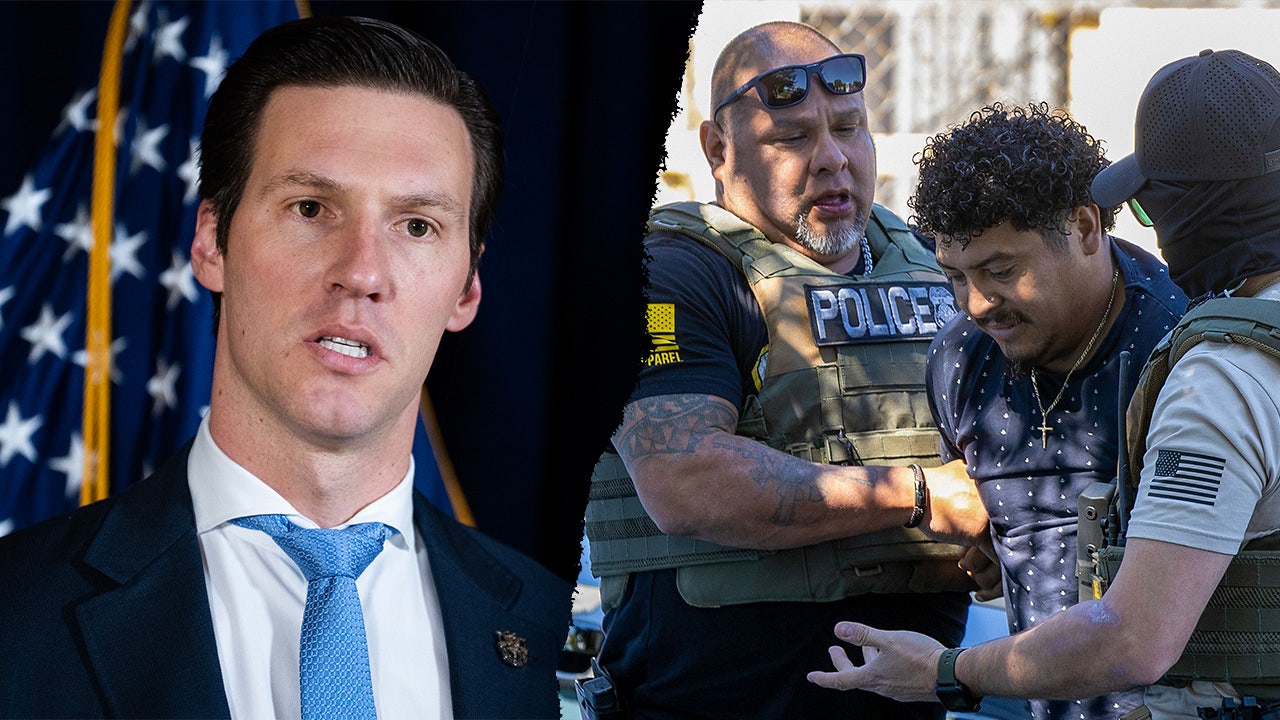
In a stark illustration of America’s partisan divide on immigration and law enforcement, two contrasting bills have emerged in the House of Representatives. Republican Representative Pat Harrigan of North Carolina introduced legislation aimed at expanding federal resources for local authorities fighting cartels and organized crime, while Democratic Representative Mike Quigley of Illinois proposed a bill that would restrict partnerships between federal immigration agencies and local law enforcement. These competing proposals highlight fundamentally different approaches to addressing community safety, immigration enforcement, and the relationship between federal and local authorities in an increasingly polarized political landscape.
The COPS Anti-Organized Crime and Cartel Enforcement Act of 2025, introduced by Rep. Harrigan, would establish a $200 million grant program over four years through the Department of Justice’s Community Oriented Policing Services (COPS) office. The bill aims to create specialized units within local police departments specifically equipped to combat organized crime and drug cartels. “My bill gives police departments access to federal COPS grant funding specifically to create specialized units that can take on organized crime, with the training, equipment and personnel they need to dismantle these operations,” Harrigan explained. The legislation would expand permissible uses of COPS funding to include tactical equipment such as drones, ballistic vests, helmets, and even tactical vehicles—codifying an executive order from the Trump administration. To fund these initiatives, the bill proposes redirecting $1.4 billion from COVID-era unemployment funding. Harrigan emphasized the urgency of his proposal, stating, “Drug cartels and transnational criminal organizations are operating on American soil with near impunity, and our local law enforcement agencies need the resources to fight back.”
In sharp contrast, Rep. Quigley’s PROTECT Act resurrects legislation originally introduced by Senator Cory Booker of New Jersey, seeking to eliminate Section 287(g) of the Immigration and Nationality Act. This provision currently allows federal agencies to empower local law enforcement to make immigration enforcement decisions—a collaboration that Democrats believe undermines community trust in police. Quigley argues that when community members fear deportation, they become less likely to report crimes or cooperate with police. “When people believe that if they call 9-1-1, they have a risk of being scooped and taken away, they’re less likely to call, and they’re going to be less safe,” Quigley explained. He cited concerns from domestic violence advocates that victims were afraid to seek protection orders against abusers due to immigration concerns. Pointing to reporting by the Chicago Tribune, Quigley noted that “9-1-1 calls in Latino communities went down 20%” in Chicago, which he attributes to fears about immigration enforcement.
The philosophical divide between these proposals reflects deeper disagreements about the primary threats facing American communities and the appropriate role of local law enforcement. Republicans like Harrigan view transnational criminal organizations as a critical threat requiring an aggressive, well-equipped response from local authorities working in concert with federal agencies. This perspective emphasizes strengthening law enforcement capabilities through enhanced training, equipment, and cross-jurisdictional partnerships. In contrast, Democrats like Quigley prioritize building community trust, arguing that when local police are perceived as immigration enforcers, vulnerable populations—including crime victims—may avoid seeking help altogether. This approach emphasizes creating clear distinctions between local public safety functions and federal immigration enforcement to encourage cooperation from all community members.
These competing visions also reflect different understandings of effective policing and public safety. Harrigan’s bill embraces a more militarized approach to local law enforcement, providing tactical equipment and creating specialized units focused on specific threats. This perspective views enhanced capabilities and federal-local partnerships as essential tools in combating sophisticated criminal organizations. Quigley’s proposal, meanwhile, embodies a community policing philosophy that emphasizes trust-building and separation of duties, suggesting that when local police focus solely on public safety rather than immigration status, communities become safer overall because more people will report crimes and cooperate with investigations. These divergent approaches reveal fundamental disagreements about whether aggressive enforcement or community trust better serves public safety goals.
As lawmakers prepare to leave Washington for the holiday recess, the future of both bills remains uncertain, but their introduction highlights how immigration and law enforcement have become central battlegrounds in American politics. The stark differences between these proposals underscore the challenge of finding common ground on issues of public safety, immigration enforcement, and the appropriate relationship between federal and local authorities. While Rep. Harrigan emphasizes the urgent need to equip local law enforcement against powerful criminal organizations “flooding our streets with fentanyl,” Rep. Quigley warns against policies that might discourage vulnerable populations from seeking police protection. As these debates continue into the new year, they reflect broader national conversations about balancing effective law enforcement with community trust and civil liberties—conversations that will likely remain at the forefront of American political discourse for the foreseeable future.