

Trump’s Midterm Challenge: Navigating Political Headwinds One Year Into Second Term
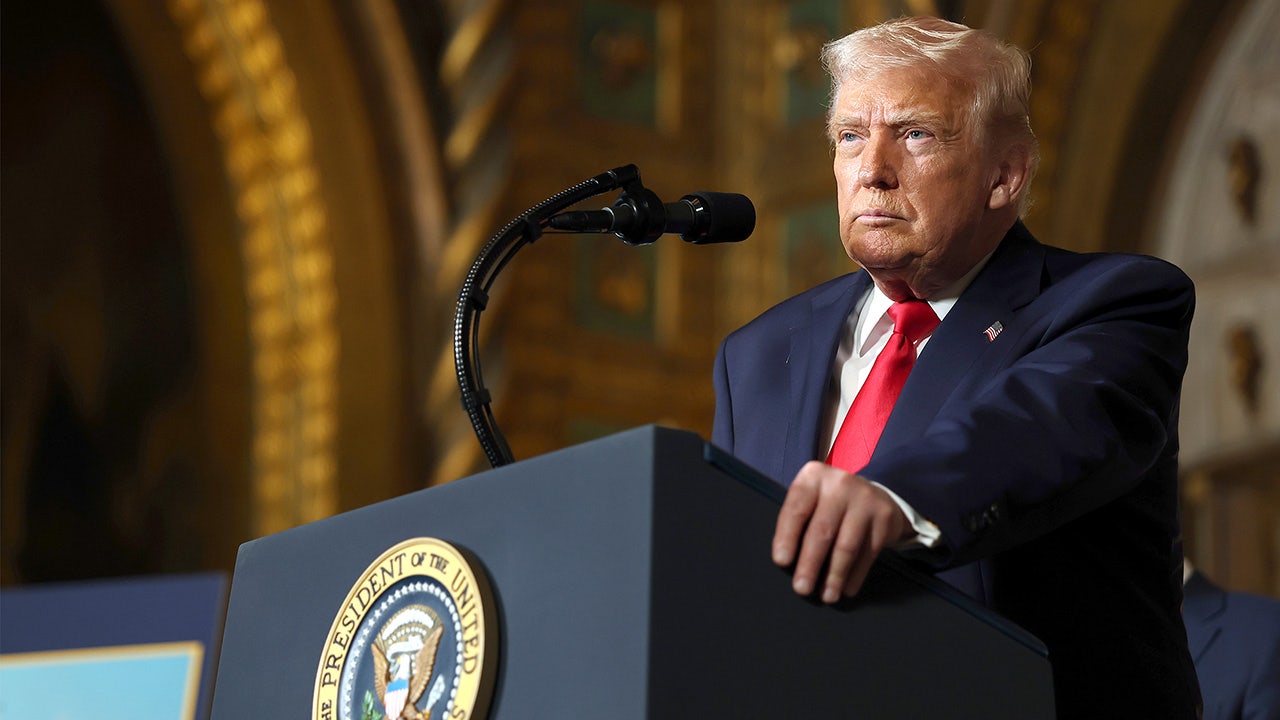
As the midterm elections approach, Republican National Committee Chair Joe Gruters remains optimistic, calling President Donald Trump the GOP’s “secret weapon” that will help Republicans “defy history” in November. Traditionally, the party holding the White House loses congressional seats in midterm elections, but Gruters believes Trump’s influence will break this pattern. However, one year into his second term, Trump faces significant challenges as public opinion polls reveal Americans increasingly disapproving of his performance. Recent surveys from the Wall Street Journal, Reuters/Ipsos, and a Real Clear Politics average show Trump’s approval hovering between 41-45%, with disapproval at 55%. Although Trump began his second term with positive ratings, they dipped below 50% last March and have continued declining, creating potential hurdles for Republican candidates nationwide.
The approval landscape presents a complex political reality for Republicans heading into the midterms. Veteran Republican pollster Daron Shaw notes that while “support among Republicans has remained in place, the opposition has become even more calcified,” particularly among Democrats. More concerning for the White House and Republican strategists is Trump’s standing with independent voters. Shaw explains that although independents don’t typically turn out in high numbers for midterms, “that’s where erosion in support of the president can cost Republicans seats not only in the House but also in some close Senate races.” This weakness among swing voters could prove decisive in competitive districts where margins are expected to be tight, potentially threatening Republican majorities in Congress despite the party’s strong performance in 2024.
Economic concerns, particularly inflation and affordability, remain central to the midterm narrative, with both parties claiming the upper hand. In 2024, these issues propelled Trump and Republicans to sweeping victories as they recaptured the White House and Senate while maintaining House control. However, Democrats point to their unexpected successes in the November 2025 elections and various special elections as evidence that voters are increasingly dissatisfied with Republican economic policies. Trump’s approval on economic matters is slightly lower than his overall approval, which could signal vulnerability on what was previously considered his strongest issue. A recent Fox News poll showed an overwhelming majority of Americans remain concerned about high prices, suggesting economic anxiety continues to drive voter sentiment across party lines.
Republicans are counting on the tax cuts in Trump’s “One Big Beautiful Bill Act” to win the affordability argument. “From an affordability standpoint, I think we win hands down based on the policies this president has pushed,” argues Gruters, highlighting this signature domestic achievement of Trump’s second term. Democrats counter this narrative sharply, with DNC Rapid Response Director Kendall Witmer claiming that “as working families struggle to afford groceries, utilities, and health care, and worry about finding a job, Trump is busy meddling in foreign countries and palling around with executives, failing to address Americans’ top concerns on the economy.” This battle over economic messaging has intensified following this month’s controversial fatal shooting of a Minnesota woman by an ICE agent during an immigration protest, which has thrust Trump’s immigration policies back into the spotlight and potentially eroded his standing on another previously strong issue.
Historical precedent offers little comfort for Republicans hoping to maintain their congressional majorities. Both recent two-term presidents saw their parties suffer significant losses in their second-term midterms. President George W. Bush’s approval rating was more than 15 points underwater by Election Day 2006, while President Barack Obama was 10-12 points below 50% approval heading into the 2014 midterms—both resulting in substantial losses for the governing party. Shaw notes that “this is a markedly better issue environment for the Democrats than they saw in 2022 or 2024,” suggesting Republicans face an uphill battle despite holding power. Presidential approval ratings and generic ballot polling are traditionally reliable indicators of midterm performance, and Trump’s current numbers fall within the danger zone that historically signals losses for the president’s party.
Perhaps the most unique challenge facing Republicans in 2026 is the MAGA voter phenomenon—dedicated Trump supporters who enthusiastically vote in presidential elections but don’t consistently show up when Trump himself isn’t on the ballot. Recognizing this potential turnout problem, Gruters highlighted Trump’s recent campaign stops in three key battleground states, noting that the president plans to “barnstorm the country with our candidates.” The RNC chair emphasized, “We got to make sure we turn our voters out, and we got to make sure that we have people energized. And there’s nobody that can energize our base more than President Trump.” Shaw, who previously worked as a strategist for Bush’s presidential campaigns, observes a fascinating reversal from pre-Trump politics: “The turnout question now is really a Republican question more than a Democratic one.” While Democrats were once considered the low-propensity voters, Shaw now believes “there is very little question Democrats are going to turnout to oppose Trump and the Republicans.” The crucial question hanging over the midterms has become simply: “Are Republicans going to show up and vote?”