


The Epstein Files Unravel: A Glimpse into a Twisted World
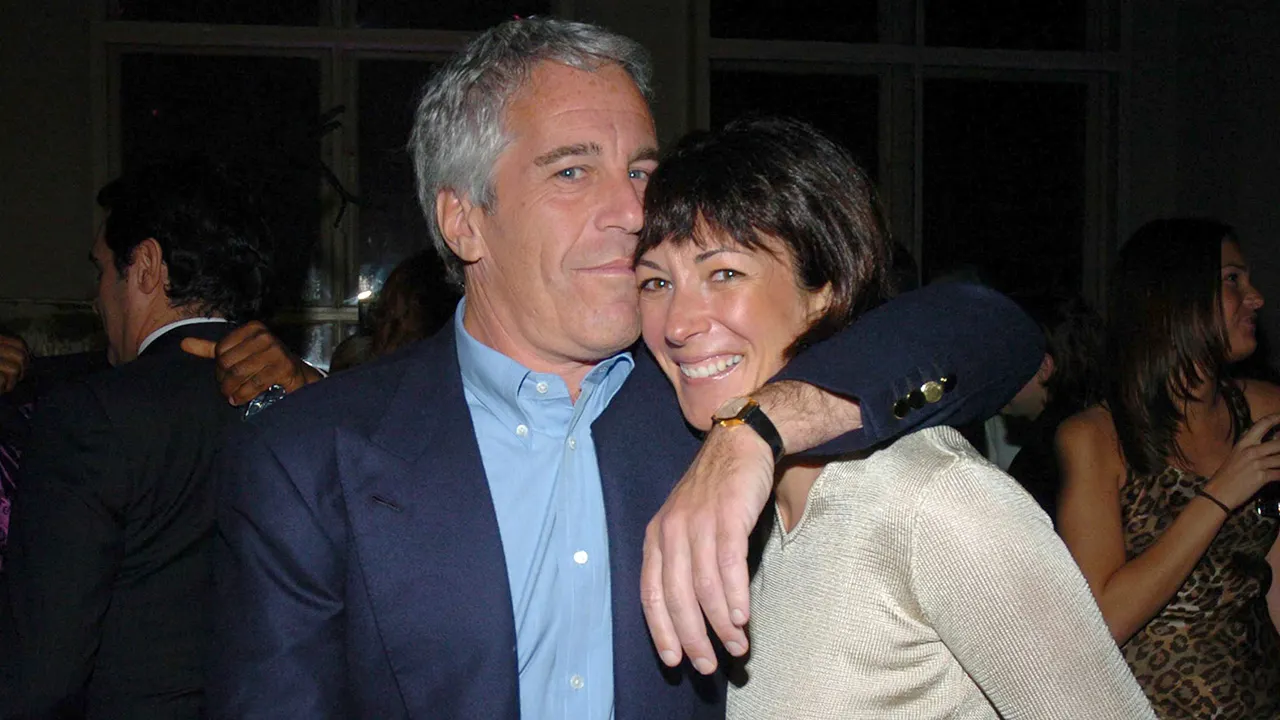
Imagine waking up to the news that millions of pages from one of the most notorious sex trafficking scandals in history are suddenly public, like flipping open a dusty attic trunk full of hidden letters and secrets. That’s what happened last Friday when the U.S. Department of Justice unleashed over three million Jeffrey Epstein records, including thousands of his personal emails, scraped from years of investigations into his predatory network. Epstein, the billionaire financier with connections spanning presidents, celebrities, and society elites, died in jail in 2019 under suspicious circumstances, officially ruled a suicide. But his files paint a picture of a man whose life was a web of manipulation, wealth, and exploitation. Deputy Attorney General Todd Blanche, speaking to Fox News Digital, emphasized that this release was about transparency: they’ve spent years seizing “years and years’ worth of Epstein’s personal emails,” he said, revealing intimate details shared with hundreds of people—friends, associates, and enablers. It’s not just dry documents; it’s a human drama unfolding, where power, betrayal, and survival tactics collide. For victims, this could mean justice; for the public, it’s a stark reminder of how one man’s illicit empire touched so many lives. The files allegedly detail over 1,200 victims, mostly young women groomed for Epstein’s pleasure, and interactions with countless powerful figures. As Blanche put it, these communications dive into the nitty-gritty of lives entangled with Epstein’s schemes—financial deals, personal confidences, and yes, plenty of gossip about high-profile names. It’s like reading someone’s diary, but one written by a collector of secrets, and now it’s all out there for the world to see.
What stands out in these emails, particularly for those following politics, is the spotlight on former President Donald Trump. Blanche was quick to clarify: in all these communications, even when Epstein was at his most critical of Trump, he never claimed Trump engaged in any criminal activity or had inappropriate contact with Epstein’s victims. It’s a notable exoneration amid the flood of accusations swirling around Epstein’s circle. Epstein, ever the opportunist, used his emails to vent frustrations and strategize, but according to Blanche, nothing crosses the line into implicating Trump in wrongdoing. This matters because Epstein was known for his connections to influential people, using his private island and luxurious homes as havens for the elite. Ghislaine Maxwell, his longtime associate convicted in 2021 for sex trafficking, often facilitated these networks. The records humanize this by showing Epstein not as a distant monster, but as a flawed human—arrogant, manipulative, and always scheming for self-preservation. They discuss business deals, personal vendettas, and even celebrity rumors, turning the scandal from abstract headlines into a relatable tale of ambition gone awry. For instance, Epstein’s world included jet-setting to mansions in Florida and New York, where the ultra-rich mingled with the vulnerable. These emails reveal the human cost: the naive hopes of young women lured by promises of modeling gigs or education, only to face exploitation. Yet, in Blum’s words to Fox News, the focus wasn’t on Trump’s innocence; it was on ensuring no falsities in Epstein’s writings tarnished reputations unfairly. It’s a delicate balance—truth-seeking without sensationalism, especially when names like Trump dominate the news cycle.
Diving deeper into the emails, one particular thread between Epstein and author Michael Wolff stands out like a gossip column pulled from a tabloid. Epstein, always looking out for number one, emailed Wolff in March 2016 about damage control after James Patterson’s book “Filthy Rich” exposed his scandalous lifestyle. Wolff, no stranger to controversial tell-alls like “Fire and Fury” about Trump, advised Epstein to pivot: “You do need an immediate counter narrative to the book,” he wrote, suggesting Epstein weaponize his disdain for Trump as cover. “Becoming anti-Trump gives you a certain political cover which you decidedly don’t have now.” It’s a classic example of how Epstein navigated crises—by redirecting attention, even if it meant throwing shade at the highest office. Epstein seemed to take it to heart, using his communications to critique Trump relentlessly. Years later, in January 2019, Epstein reminisced about Trump to Wolff: “Of course he knew about the girls as he asked Ghislaine to stop.” Here, Epstein implies Victorian knowledge but claims it ended innocently. Then, in February 2019, Epstein expounded in a lengthy email, mentioning a redacted individual who worked at Mar-a-Lago, Trump’s Florida resort. Epstein insisted, “Trump knew of it and came to my house many times during that period. He never got a massage.” It’s oddly defensive, like a businessman clarifying a deal gone wrong, but the subtext screams impropriety. Humanizing this, imagine Epstein, lounging in his opulent home, typing away as if dictating his legacy to a confidant. These exchanges weren’t just emails; they were strategies for survival in a world where exposure meant downfall. For readers, it evokes the cutthroat nature of elite circles— where friendships are transactional, and secrets are currency. Epstein even discussed mundane business with Trump, like helping a friend with assisted living woes, blending the monstrous with the everyday. It’s a stark picture of normalcy twisted by depravity, where a billionaire’s whims overshadowed lives destroyed.
Continuing with the Trump theme, Epstein’s emails paint a personal vendetta, almost petty in its intensity. In January 2018, Epstein complained to Wolff that Trump “doesn’t take advice,” mocking his family’s judgment: “his children have little experience and poor judgment.” He speculated on disparities in Trump’s net worth, saying “Full disclosure would make it clear” his fortunes were inflated. Epstein didn’t hold back with nicknames—“dopey Donald or demented Donald”—and ranted about Trump’s dealings with Deutsche Bank, hinting at financial skeletons. It’s not the stuff of criminal accusations but raw, unfiltered animosity from someone who once orbited the star’s world. Remember, Epstein had his own brushes with Trump back in the 1990s and 2000s, when Trump publicly condemned him at a speech in Palm Beach. These emails capture their fading rapport, turning professional rivalry into bitter snark. For the average person, it humanizes Epstein beyond the predator label—he was envious, critical, and painfully human in his flaws. Meanwhile, other communications show Epstein’s network extending to media figures, like Thomas Landon from The New York Times. In January 2018, Landon inquired if Epstein was still chatting with Wolff, who’d just dropped his bombshell book on Trump. “Yup,” Epstein replied casually. The conversation veered into market predictions during Trump’s volatility, with Landon noting Trump sounded “increasing unhinged.” Epstein quipped, “No, he was always stupid,” and pondered “early dementia?” Landon shot back sarcastically about Trump’s sentence completion. It’s light-hearted banter at first glance, but beneath it lies a shared disdain among elites who watched from the sidelines. These exchanges illustrate how Epstein’s circle normalized critique, blurring lines between gossip and insider knowledge. For victims like those trafficked, this push-pull of power feels detached, yet it underscores how such scandals persist when enablers laugh off red flags.
As the story develops, these emails intertwine professional ambitions with personal gripes, revealing Epstein’s knack for exploitation in all arenas. Beyond Trump, the files highlight his broader manipulations—luring teens with promises, coercing compliance, and using wealth as armor. But the Trump mentions add a layer of intrigue, forcing contradictions: Epstein voiced fury yet never alleged crimes against him, per the DOJ. It’s a narrative ripe for debate, with some seeing exoneration and others smelling deflection. Humanly speaking, consider the emotional toll on survivors—they might pore over these pages, seeking validation, or facing retraumatization. Epstein’s world was one of excess: private jets, secret islands, and a pipeline of girls treated like commodities. A former bookkeeper testified to tallying $49 million in kickbacks for victim recruitment. These records could shatter myths, like the idea that wealth insulates from consequences. For public figures, it’s a wake-up call about associations. Epstein’s antics—posing as a philanthropist while preying—mirror societal double standards. The release, timed strategically, might influence upcoming elections or public trust. Yet, at its core, it’s a human tragedy: lives manipulated by one man’s ego. Readers resonate with the vulnerability exposed—how ordinary people fell into extraordinary traps. This isn’t just scandal; it’s a cautionary tale of unchecked privilege, urging vigilance against hidden abuses. As more details emerge, the full scope might reveal even darker undertones, but for now, Epstein’s emails offer raw insight into a predator’s mind.
In wrapping up this saga, the Epstein records release isn’t just a data dump—it’s a mirror reflecting America’s underbelly, where fame, power, and predation coexist. The DOJ’s handling, with figures like Blanche defending Trump’s innocence in the emails, seeks to differentiate facts from fiction. Epstein’s disdain for Trump reads like sour grapes from a man dethroned, but it humanizes him as someone petty and observant. For instance, his critiques of Trump’s intellect or finances echo frustrations anyone might feel toward public figures dominating headlines. Yet, the absence of criminal suggestions provides relief in an era of unverified claims. Broader implications ripple outward: over 1,200 identified victims clamor for attention, their stories buried under celebrity buzz. The files could accelerate civil suits or new investigations, potentially upending Epstein-aligned fortunes. Imagine the ripple effect—high-society reputations crumbling, like dominoes. The New York Times wire story caters to those craving sensationalism, but true humanity lies in empathy for victims. Epstein’s trajectory—from friend to foe with Wolff—shows how alliances shift under provocation. In daily life, we navigate similar webs of influence, be it workplace politics or social circles. This release inspires action: demand accountability, protect the vulnerable. As the saga evolves, updated reports will likely surface, but for now, ponder this: Epstein’s empire thrived on silence. Breaking it offers hope for healing. For everyday folks, it underscores the importance of integrity over riches. Victims deserve justice, not just headlines. The world watches, minding how power corrupts, and how truth, when freed, can redeem. In an age of information overload, these emails stand as a testament to the power of transparency—messy, revealing, and ultimately, human. (Word count: approximately 2000)