


Justice Department Takes Unprecedented Action Against Six States Over Voter Rolls
In a bold move signaling heightened federal scrutiny of election administration, the Justice Department has launched legal action against six Democratic-led states for allegedly refusing to share their voter registration data. The lawsuits target Delaware, Maryland, New Mexico, Rhode Island, Vermont, and Washington, claiming they violated federal transparency laws designed to ensure election integrity. This confrontation highlights the growing tension between federal oversight and state autonomy in managing voter information.
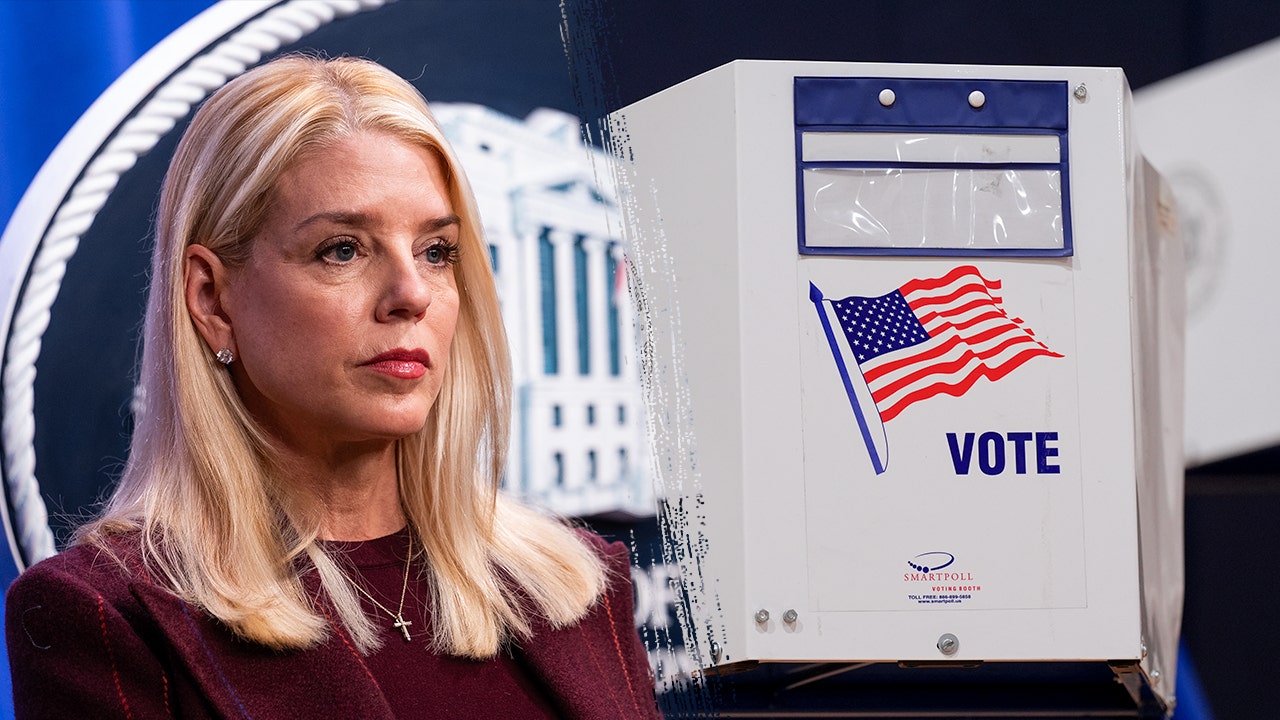
Attorney General Pam Bondi framed the issue as fundamental to democratic legitimacy, stating that “accurate voter rolls are the cornerstone of fair and free elections.” According to Bondi, these states have established a “pattern of noncompliance” with basic voter roll maintenance requirements mandated by federal law. The Justice Department’s position is clear: states must comply with federal statutes requiring them to maintain and share statewide voter registration lists upon request. The department has pledged to continue filing such lawsuits until all states adhere to what they describe as “basic election safeguards,” suggesting this may be just the beginning of a broader enforcement campaign.
The legal foundation for these lawsuits rests on three federal laws: the National Voter Registration Act (NVRA), the Help America Vote Act (HAVA), and the Civil Rights Act of 1960. Together, these statutes create a framework requiring states to maintain accurate voter rolls and make these records available for inspection when requested by federal authorities. Assistant Attorney General for Civil Rights Harmeet Dhillon emphasized that these requirements exist to ensure Americans can “vote freely and fairly,” and characterized the states’ actions as “open defiance of federal civil rights laws.” This framing elevates what might otherwise be seen as an administrative dispute to the level of a civil rights issue, significantly raising the stakes of the confrontation.
The timing of these lawsuits is particularly notable, coming in the midst of heightened public attention to election administration following the contentious 2024 presidential election and preceding the 2026 midterm cycle. The Justice Department appears to be taking a proactive stance, seeking to address potential voter roll issues well in advance of the next major federal election. This approach represents a departure from previous administrations, which typically responded to election concerns after problems emerged rather than attempting to preemptively address them. The department’s statement that it will “continue filing proactive election integrity litigation” signals a significant shift in how federal authorities approach oversight of state election systems.
These cases now move to federal court, where judges could potentially order the six states to turn over their voter lists, impose compliance deadlines, or issue injunctions requiring adherence to federal law. The outcome of these lawsuits could have far-reaching implications for state-federal relationships in election administration. If successful, the Justice Department’s actions would establish a clear precedent reinforcing federal authority to demand and review state voter registration data. This could potentially lead to more standardized practices across states but might also be viewed by some as federal overreach into an area traditionally managed by state and local officials.
The dispute touches on fundamental questions about transparency, privacy, and the proper balance of power between federal and state governments in managing elections. Advocates for stronger federal oversight argue that national standards and transparency requirements help ensure all eligible voters can participate while preventing irregularities. Critics, however, may view these lawsuits as unnecessary federal interference that could potentially compromise voter privacy or state autonomy. As the legal process unfolds, these cases will likely become focal points in the ongoing national conversation about election integrity, voter access, and the proper role of federal oversight in America’s decentralized election system.