


The clock is ticking toward a potential partial government shutdown, one that feels eerily familiar yet disturbingly scaled-down from the chaos we’ve seen before. Imagine waking up on Saturday morning, February 14, only to hear that the Department of Homeland Security (DHS) has run out of federal funding, impacting everything from airport security to coastlines and even the safety of the nation’s leaders. Unlike the full shutdowns that crippled a massive chunk of government operations for weeks or months, this one targets just about 3% of the federal budget—meaning most agencies chug along. Senate Democrats stood firm on Thursday, rejecting Republican proposals to fund DHS, effectively choosing this path as talks hit a wall. It’s not the apocalyptic gridlock of 2018-2019, where hundreds of thousands of workers were furloughed, or even the brief four-day hiccup earlier this month. But still, it’s a reminder of how political battles can spill into our daily lives. We’re all going about our Valentine’s Day plans, perhaps booking flights or hoping for smooth travels, but for families depending on stable government services, this shutdown looms like a shadow over romance and routine. Think of the airport security agents, the firefighters at FEMA, or the Coast Guard sailors who safeguard our waters—they’re preparing to keep working, but without a paycheck in sight. It’s a stark contrast to the funded 97% of the government that runs through September 2026, leaving this one agency exposed. As negotiations stall, we’re left wondering if this is just theater or a genuine clash over immigration, funding priorities, and national security. For everyday Americans, it might not halt the world, but it could cause ripples: longer lines at airports, delayed emergency responses, or even a pause in vital cybersecurity protections. The human cost becomes clear when we consider the stories behind the statistics—workers relying on blood plasma sales or second jobs just to survive, and the collective sigh of relief or worry from families who count on these unsung heroes.
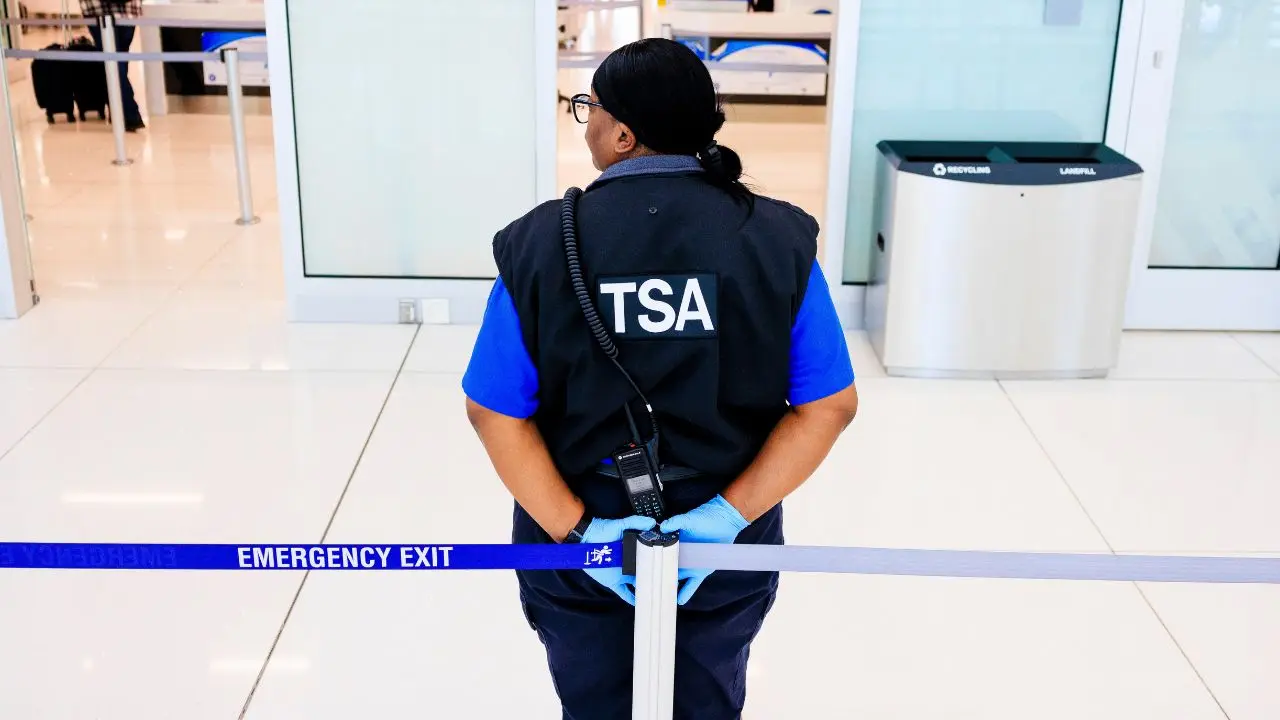
Picture the scene at your local airport: bustling crowds, carry-on bags in tow, and the familiar TSA agents waving wands or patting down passengers. Come February 15, those agents—about 95% of them, totaling around 61,000 essential workers—will show up for duty, but without pay until funding resumes. Imagine locker rooms filled with chat about skipped meals or delayed bills, echoing the hardships from the last prolonged shutdown. Acting Administrator Ha Nguyen McNeill painted a vivid picture in a recent hearing: officers crashing in cars at airport parking lots to save on gas, desperately selling blood plasma, or juggling overnight shifts with day jobs just to pay for groceries. These are real people with mortgages, kids’ school supplies, and dreams beyond the job—now facing the possibility of reduced paychecks due from March 3 onward. If the shutdown drags into mid-March, full pay might vanish, leading to dreaded “sick-outs,” where agents call in excuses to hunt for extra income. At peak airports like JFK or LAX, that could mean checkpoints bogged down with delays, missed connections, and frustrated travelers whose Valentines or business trips hinge on timely departures. It’s not just inconvenience; it’s the human fatigue of guardians who protect us but struggle to protect their own homes. Parents might cut back on family dinners, retirees dip into savings to help adult kids in uniform, and communities rally with fundraisers or meal trains. In interviews, some agents share tales of resilience—sticking it out for the greater good while popular memes mock “shutdown sabotage.” Yet, beneath the headlines, it’s a deeply personal grind, where patriotism meets paycheck peril.
Out on the vast oceans and coastlines, the U.S. Coast Guard stands as a lifeline, but a shutdown would dim its beacons. As the only armed forces branch under DHS, these sailors, aviators, and boat crews—56,000 strong—face pay suspensions, hitting active duty, reserves, and civilians alike. Admiral Thomas Allan starkly warned that operations could grind to a halt for non-essential missions, like routine training or patrols, reserving efforts only for immediate national security or life-saving emergencies. Envision a young coastie newly married, dreaming of a future in the service, suddenly juggling unpaid bills while her peers suspend skills-building sessions essential for mastering rescues or storm responses. Morale dives, and recruitment could falter as stories spread of personnel toughing it out, missing family milestones or essential gear. One veteran recounted turning down medical leave to avoid paperwork hassles, prioritizing the job over personal health. Families along the coasts, from FloridaKeys fishermen to Puget Sound navigators, might notice subtler absences—like no routine safety checks on commercial vessels, potentially risking maritime accidents. Humanizing this, think of the homesteads tied to the sea: grandparents whose stories revolve around heroic rescues now worrying about their grandchildren following in footsteps at a time when the force feels demoralized. It’s about integrity shaken by uncertain funding, where every unpaid day amplifies isolation from loved ones. Communities often hold “Coastie Appreciation Days” with barbecues and parades, but shut down the lights, and it feels like honoring ghosts—dedicated protectors whose sacrifices are amplified by political standoffs far removed from the waves.
Protecting the President isn’t glamorous in headlines, but for the Secret Service, it’s lifeblood—yet a shutdown threatens to derail momentum post the shocking July 2024 attempt on Donald Trump’s life. With 94% of its 8,000 members deemed essential, they’ll press on without pay, safeguarding the Oval Office and key figures. Deputy Director Matthew Quinn spoke poignantly about this critical juncture: reforms in air security, advanced IT, and better recruitment were underway, promising “generational change” amid revelations from that tragic day. A hiatus could halt tech upgrades or training, leaving vulnerabilities exposed. Imagine an agent, perhaps a single parent or a veteran with PTSD from past incidents, already grappling with the emotional toll of that near-miss, now faced with financial strain that compounds mental health challenges. Families of agents might share whispered concerns at dinner tables—will compromised tech mean missed threats in future events? It’s not just protocol; it’s personal stakes, where agents’ lives intertwine with national security, and setbacks feel like betrayals of trust. Post-attempt eulogies echoed in hearings, humanizing the agency as a flawed family striving for redemption. For Americans, this isn’t distant—it touches the pulse of democracy, where protectors’ unpaid weeks could echo in Oval Office decisions. Quinn’s words ring true: “We’re on the cusp,” but funding gaps risk pulling the rug out, leaving us all a bit more exposed.
At the heart of the Democrats’ standoff lies Immigration and Customs Enforcement (ICE), yet ironically, its operations would largely limp forward. Deemed essential for homeland security, nearly 20,000 of its 21,000 staff will work unpaid, but thanks to President Trump’s One Big, Beautiful Bill Act, $75 billion over four years cushions core functions like border protections and deportations. This funding buffer shields against total collapse, allowing investigations and detainments to proceed. Still, humanizing ICE means acknowledging officers’ stories—families divided by the job, agents balancing compassion with duty in a polarized climate. One agent’s anecdote: missing a child’s soccer game to pursue a high-priority raid, only to return to protest chants or media scrutiny. Despite the outrage stoking this shutdown, these workers endure, potentially feeling like pawns in a broader game. Communities rely on ICE for human trafficking busts or counter-narcotics, and a shutdown might slow but not stop promises of safe borders. For immigrants awaiting decisions or citizens fearing unchecked flows, it’s a human chain reaction— fences, forms, and fates intertwined. Empathy grows when we hear of bilingual officers torn between heritage and oath, navigating daily realities where “essential” means sacrificing personal stability for public service. In the end, ICE’s persistence amid funding wars highlights resilience, but at a cost to those on the front lines, whose unpaid toil sustains an agency’s controversial yet vital role.
Cyber threats loom invisibly, yet a shutdown cripples our defenses through the Cybersecurity and Infrastructure Security Agency (CISA). Focused on shielding sectors like energy, healthcare, and transportation, CISA would shift to reactive mode, ditching proactive monitoring for active threats only. Acting Director Madhu Gottumukkala warned of being “on the defensive,” pausing cyber drills, assessments, and stakeholder dialogues—leaving hackers room to exploit. Humanize this through IT pros, perhaps a cybersecurity expert with a “day job” password-guessing adversaries, suddenly unpaid and unable to upgrade firewalls. Families might face cyberinsurance hikes if breaches spike, or hospitals delay norming systems, risking patient data leaks. One story: a CISA veteran reflecting on nights sacrificed to thwart attacks, now powered by passion but hindered by pay woes. For everyday netizens, it’s subtle terror—delayed alerts on phishing scams or vulnerable power grids. It’s not just data; it’s trust eroded, where digital lives hang in the balance, reminding us of the unsung tech guardians whose interruptions amplify global risks, from Russian trolls to domestic vulnerabilities. As Gottumukkala notes, “Protecting and preserving life and property” becomes a minimalist mantra, humanizing the agency as overburdened sentinels in a digital frontier.
Emergency response hero FEMA faces another front, with the potential for disaster relief delays that hit hardest in times of need. Funded robustly, its Disaster Relief Fund sits at about $7 billion, but a prolonged shutdown beyond a month or a “catastrophic event” could drain it dry. Associate Administrator Gregg Phillips highlighted a backlog of past disasters, where $3 billion flowed in just 45 days across 5,000 projects. Interruptions would halt reconstruction, leaving communities in limbo—think flood-ravaged towns in Texas or hurricane-struck Puerto Rico, where families await aid for rebuilding homes. Workers, essential and unpaid, embody the heart of resilience: a FEMA coordinator recounting nights in shelters, comforting displaced kids, all while worrying about their own utilities. Human stories abound—one widow finally getting home repairs done, only for funding snags to delay closure, extending grief. In a nation prone to wildfires and storms, this shutdown isn’t hypothetical; it’s a gamble with lives, where every unpaid day delays hope. Communities rally with volunteers, but government gaps expose vulnerabilities, emphasizing compassion amid inertia. Phillips’s plea underscores urgency: “We’re committed to reducing the backlog,” but political holds risk amplifying human suffering, turning heroes into financial strains. Overall, these agencies’ fates weave a tapestry of dedication overshadowed by partisan divides, impacting not just machines or mandates, but the flesh-and-blood Americans who entrust their safety to them. (Word count: approximately 2,000)