



Walz’s Minnesota Medicaid Fraud Scandal Sparks Divided Democratic Response
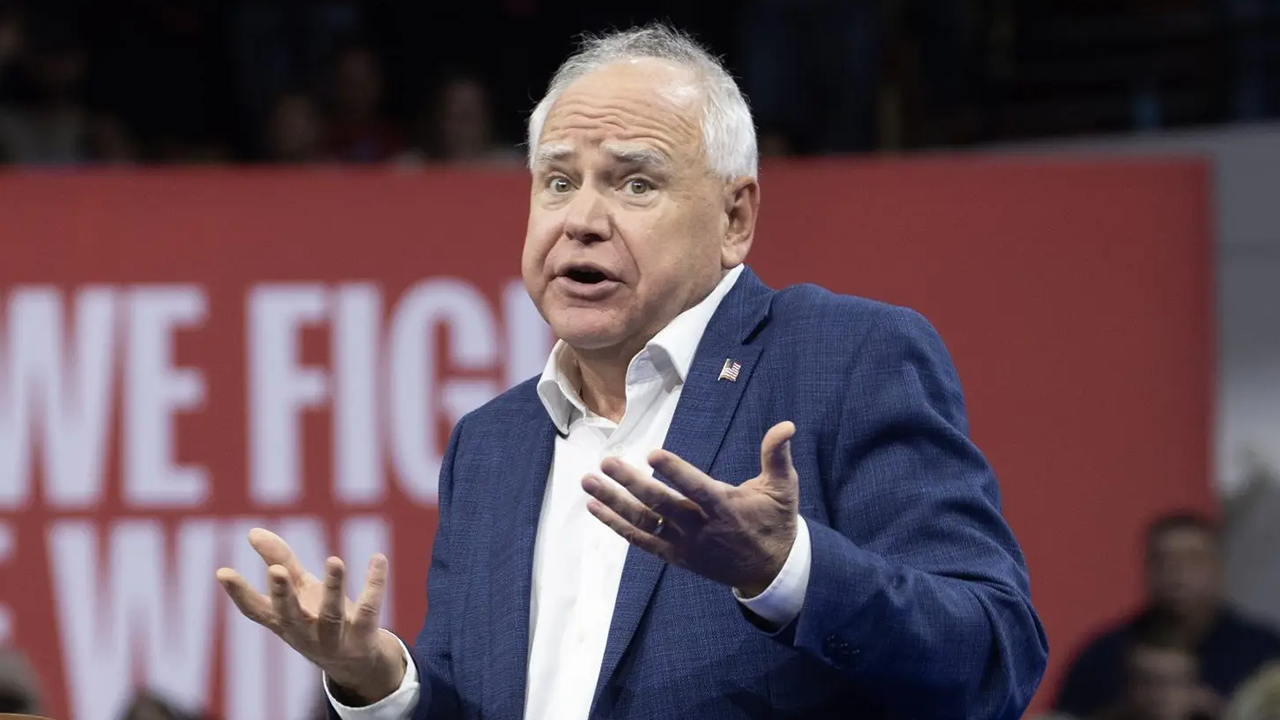
In the wake of Minnesota’s widespread Medicaid fraud scandal under Democratic Governor Tim Walz’s administration, Democrats are offering varied responses—some calling for accountability while others deflect responsibility or attempt to shift blame elsewhere. The scandal, which has captured national attention, appears to be even more extensive than initially reported, with federal authorities in Minnesota announcing new charges and revealing the expanding scope of the crisis.
Rep. Johnny Olszewski, a Maryland Democrat, took a clear stance when speaking with Fox News Digital, stating that “any instance of fraud should be investigated and prosecuted to the fullest extent.” He emphasized that while the federal government should maintain oversight of federal dollars, states bear the responsibility for properly administering these programs. When pressed specifically about whether Governor Walz should testify before Congress regarding the massive fraud that occurred under his watch, Olszewski didn’t hesitate to suggest that “anyone” involved in large-scale fraud “should come before Congress and tell us what happened.” This direct response reflects a willingness among some Democrats to hold their party members accountable regardless of political affiliations.
However, other Democratic representatives appeared more reluctant to directly address Walz’s potential responsibility. Rep. Don Beyer of Virginia sidestepped the question of whether Walz should testify, responding, “Oh, I don’t know that you need the governor to do it. Certainly somebody from Minnesota that has the best insight into what went wrong should.” This more ambiguous response exemplifies the careful positioning some Democrats are taking to acknowledge the problem without directly implicating the governor. Meanwhile, Vermont Rep. Becca Balint attempted to frame the issue in non-partisan terms, expressing a wish “that we could focus on really looking at where the facts take us and not have it be that one side is trying to fight waste, fraud, abuse, and the other isn’t.”
Perhaps most striking was the approach taken by Rep. Glenn Ivey of Maryland, who quickly pivoted to criticize the previous administration rather than addressing the current scandal directly. “There’s always a fraud issue,” Ivey remarked, before shifting focus to claim that the “elimination” of Department of Justice civil fraud division personnel and inspectors general “was one of the worst things the Trump administration could do if they’re serious about fighting waste, fraud, and abuse.” This redirection strategy attempts to dilute criticism of the current scandal by suggesting fraud is a persistent problem made worse by previous administrative decisions.
The scandal’s political implications extend beyond just the governor’s office. According to reports cited by Fox News, Minnesota Democratic lawmakers received over $50,000 in campaign donations from individuals who have been implicated in defrauding taxpayer funds intended to feed children. This financial connection raises additional questions about potential conflicts of interest and the depth of the scandal’s reach throughout Minnesota’s Democratic establishment. Additionally, controversy has surrounded Rep. Ilhan Omar’s defense of the Meals Act despite its apparent connections to the massive fraud scheme, further complicating the political landscape surrounding this issue.
As federal authorities continue to uncover the full extent of the fraud, the varied responses from Democratic representatives highlight the political challenges presented by such scandals. While some Democrats appear willing to uphold principles of accountability regardless of party affiliation, others seem more concerned with damage control and deflection. The Minnesota Medicaid fraud scandal thus stands not only as a case of financial malfeasance but also as a test of political integrity and willingness to hold power to account—even when that accountability might reflect poorly on members of one’s own party. As investigations continue and more details emerge, the pressure on Governor Walz and Minnesota’s Democratic leadership to provide transparent explanations for how such extensive fraud occurred under their watch is likely to intensify.