


Democrats Push for Dramatic Reforms to Immigration Enforcement
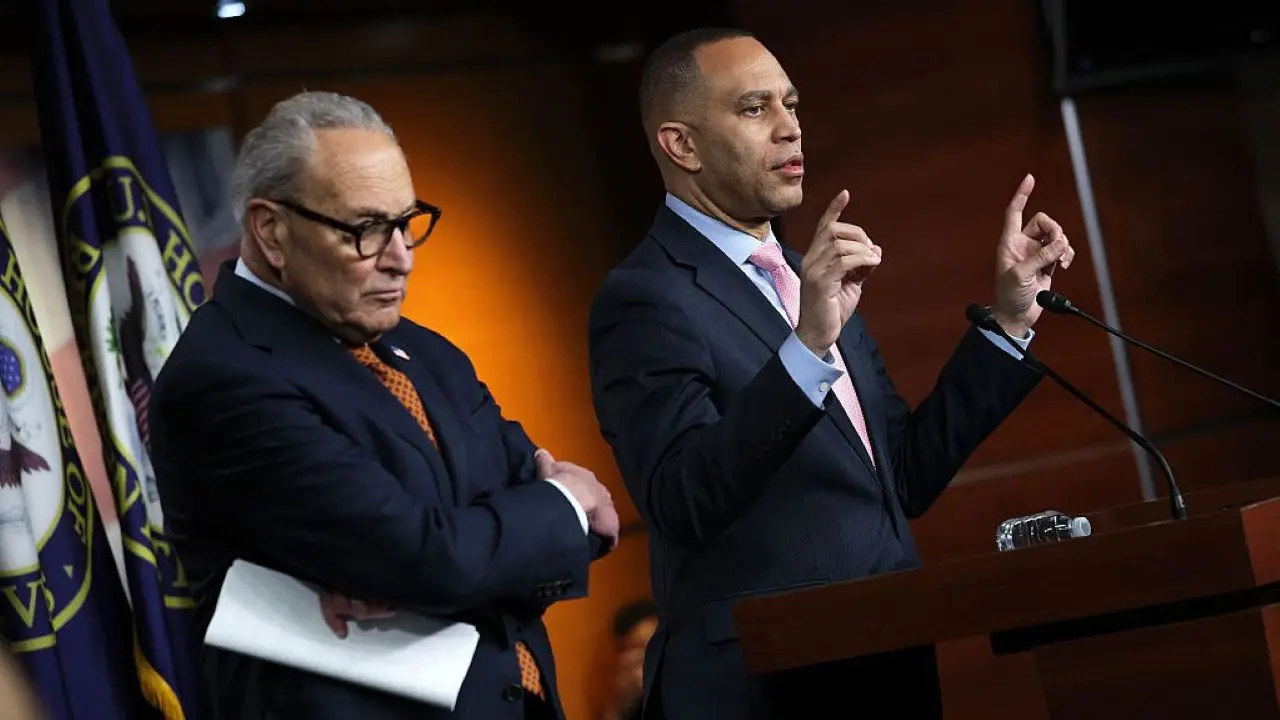
Imagine waking up in a quiet American neighborhood, maybe in New York or Minnesota, where families go about their daily lives without fear. But lately, stories have been circulating about federal agents showing up unexpectedly, masks covering their faces, barging into homes without proper warrants, and making arrests that leave communities shaken. This isn’t just fiction; it’s the reality that Democratic leaders in Congress are fighting against. On a pivotal Wednesday, House Minority Leader Hakeem Jeffries and Senate Minority Leader Chuck Schumer sent a strong letter to Republican leadership, outlining 10 demands for reforming U.S. Immigration and Customs Enforcement (ICE). They argued that ICE has been terrorizing communities nationwide, and these changes must be baked into the Department of Homeland Security’s funding bill. As someone who’s followed immigration debates closely, I can see how these demands aren’t just political rhetoric—they’re a cry for protecting everyday people from overreach. Jeffries and Schumer referenced recent events, like the tragic ICE shooting in Minnesota, which has fueled calls for accountability. They point out that ICE has been operating like a rogue force, leading to arrests of people mistakenly held as non-citizens and widespread distrust. This isn’t about ignoring immigration enforcement; it’s about making it fair and targeted. For instance, one key demand is for DHS officers to never enter private property without a judicial warrant. Think about it: in a free society, your home should be your sanctuary, not a place where armed officials can just walk in. The letter stresses ending indiscriminate arrests and improving warrant procedures, ensuring verification that someone isn’t a U.S. citizen before detaining them. This humanizes the issue because we’ve all heard horror stories of families being torn apart over paperwork errors or assumptions. It reminds me of neighbors I’ve spoken to who live in immigrant-heavy areas, where fear of arbitrary raids has kept people indoors, especially parents worried about their kids’ safety. By demanding verification, Democrats aim to prevent these heart-wrenching mistakes, preserving the dignity of law-abiding residents. Moreover, they want an end to wearing face coverings during operations—a rule that could seem minor but symbolizes anonymity and intimidation. Picture an agent showing up at your door; if their face is hidden, it strips away the human element of trust. Similarly, agents must always display their agency, ID number, and last name, and even verbalize it if asked. This transparency builds accountability, making agents more approachable and less like faceless authority figures. To people like me who value community, this makes sense because it turns enforcement into something visible and accountable, not a shadowy operation. Extending this, the demands call for shielding sensitive locations like schools, hospitals, churches, and polling places from immigration operations. Imagine the chaos of an ICE raid near a school during pickup time—kids exposed to unnecessary trauma, parents rushing in panic. By protecting these spaces, Democrats ensure that vulnerable groups aren’t collateral damage in broader enforcement efforts. This hits home for families juggling work, school, and life, where such disruptions could shatter stability. Finally, tackling racial profiling head-on, the letter insists that stops, searches, and arrests stop being based on race, ethnicity, language accents, or even jobs and locations. Instead, decisions must rely on solid evidence from prior cases. As a society, we’ve progressed from eras where suspicion was cast too broadly, but recent reports suggest old habits linger. This demand humanizes immigration by recognizing that everyone—regardless of background—deserves fair treatment, fostering trust between diverse communities and law enforcement. In wrapping up these reforms, Jeffries and Schumer emphasize that these aren’t radical ideas; they’re common-sense protections rooted in constitutional rights. They’ve sparked a larger debate about balancing security with compassion, and as the funding battle heats up, it’s clear this isn’t just about politics—it’s about restoring humanity to an often impersonal system.
Enforcing Fair Play in Law Enforcement Tactics
Diving deeper into these demands, it’s evident that Democrats aren’t just listing complaints; they’re envisioning a more humane approach to immigration enforcement that reflects everyday American values. One critical area is upholding robust use of force standards, which feels acutely relevant after incidents that have made headlines and hearts ache. The letter calls for expanded training and certification for ICE and U.S. Customs and Border Protection officers, ensuring they’re not just following orders but excelling in de-escalation and ethical decision-making. This isn’t abstract; it directly addresses tragedies like the Minnesota shooting, where an agent fired first and called it law enforcement, leaving a community grieving and demanding answers. I recall reading accounts from families affected, where a single moment of poor judgment can scar lives forever. By mandating that officers are removed from the field pending investigation after any use-of-force incident, Democrats aim to prevent cover-ups and encourage a culture of responsibility. It’s like holding teachers accountable in schools—if someone steps out of line, the system intervenes quickly to protect everyone involved. Furthermore, the demands extend to ensuring state and local jurisdictions retain authority to investigate and prosecute potential crimes or excessive force cases. This coordination builds a web of oversight, where federal actions don’t trample local rights. Evidence must be preserved and shared, and consent from states is required for large-scale operations beyond targeted enforcement. Picture a small town dealing with immigration issues—if ICE swoops in without local input, tensions rise, leading to distrust and division. Humanizing this, think of law enforcement as a teamwork effort: federal agencies supporting locals, not overshadowing them. This could mean fewer standoffs and more collaborative solutions, benefiting communities where immigrants contribute to local economies, from farming to tech startups. Body cameras play a starring role here, too, but with a twist—Democrats specify they’re for accountability, not surveillance of First Amendment activities like protests. The push is for agents to wear them during public interactions, capturing real-time moments that words alone can’t convey. I’ve seen body cam footage change narratives, turning allegations into truths and restoring faith in the process. Prohibiting databases that track peaceful assemblies ensures that freedom of speech isn’t chilled by the specter of federal monitoring. Finally, they demand regulating uniforms and equipment to align with civil enforcement standards, moving away from paramilitary gear that can escalate situations. This isn’t about weakening security; it’s about de-escalating humanity. For immigrants who’ve fled violence abroad, facing militarized forces at home can feel like reliving nightmares. These changes resonate with stories of refugees rebuilding lives here—people like Maria, a single mom in a border town I once interviewed, who wants her kids to see police as protectors, not predators. By standardizing gear, Democrats humanize enforcement, making it less intimidating and more relatable, much like community officers in uniform rather than tactical operatives. In essence, these demands bridge divides, turning a rigid system into one that values lives and liberties, ensuring that enforcement serves justice, not just quotas.
Safeguarding Rights and Access in Detention and Oversight
As the discussion shifts to building safeguards into the system, we see Democrats prioritizing protections that shield individuals from unwarranted detention and oversight lapses. They demand that federal detention facilities adhere to standards allowing immediate attorney access, preventing illegal citizen arrests. This is profoundly humanizing because, in a country built on due process, no one should languish without representation—imagine being held for hours or days, separated from lawyers and loved ones, over a clerical error. Jeffries and Schumer draw from real injustices, like wrongful detentions that have torn apart families, echoing broader civil rights struggles. By ensuring access, they restore balance, allowing folks to fight back against abuses, much like historical figures like Rosa Parks stood against unfair laws. Equality in detention means treating everyone—citizen or not—with basic decency. Moreover, the letter empowers states to sue DHS for violations, creating accountability beyond words. Senators and too-mouthed locals can sue for breaches, acting like everyday advocates for justice. This resonates with communities where ICE actions have felt unchecked, fostering a sense of agency for local leaders to push back. Visitation rights for members of Congress are another key safeguard, prohibiting limitations on facility visits regardless of funding sources. This transparency combats secrecy, allowing elected officials to witness conditions firsthand and advocate for improvements. For human rights advocates, this means shining a light on what some describe as harsh, dehumanizing environments where people await fates in limbo. Researchers and journalists have documented stories of detainees enduring inadequate medical care or mental health crises, underscoring why unhindered access is crucial. These demands, if implemented, could transform detention from a punitive black box into a monitored, humane space. Additionally, prohibiting data tracking of First Amendment activities ensures that participating in protests or gatherings doesn’t lead to sneaky surveillance. This protects dissent, a cornerstone of democracy, preventing a chilling effect on free expression. Imagine activists at a rally fearing federal watchlists—it stifles voices that keep society honest. By humanizing these rules, Democrats highlight how everyday freedoms intertwine with enforcement, ensuring that the pursuit of law doesn’t erode liberties. In a nation proud of its immigrant roots—from Ellis Island stories to modern innovators—these safeguards build bridges, turning potential adversaries into partners in a fairer system. They echo calls for reform from diverse voices: legal experts, affected families, and human rights groups, all uniting to make ICE more accountable and compassionate. Ultimately, these measures aren’t just policy tweaks; they’re steps toward ensuring that no one feels like a second-class under the law, fostering a more inclusive America.
Immediate Steps and Broader Implications for Trump Administration
Moving to concrete actions, Democrats aren’t content with long-term reforms—they’re demanding immediate goodwill gestures from the Trump administration to prevent a government shutdown. Specifically, they urge fully ramping down the surge of federal agents in Minnesota and removing Secretary of Homeland Security Kristi Noem from her post. These calls come amid escalating rhetoric, with figures like Rep. Jeffries suggesting Noem should be “put on ice permanently,” and threats of blocking DHS funding. The backdrop is the Minnesota shooting, where ICE involved, prompting outrage and calls for firings or impeachment from lawmakers like Sen. Ruben Gallego and Rep. Ilhan Omar. Humanizing this, think of Minnesotans as part of the national family—hardworking residents who’ve witnessed federal overreach first-hand. The letter notes a drawdown of 700 agents announced by White House border czar Tom Homan, yet urges broader steps to show real commitment. Removing Noem, defended in body cam policies, symbolizes accountability for ongoing controversies. As someone reflecting on political dramas, these demands feel like a reckoning, where leaders must confront failures before community trust erodes further. Moreover, the administration should embrace these principles to prove good faith, aligning with themes of responsible enforcement. This ties into larger narratives of 2020s immigration debates, where surges under Trump met fierce resistance, often from diverse coalitions demanding humanity. Immediate actions like the Minnesota retreat and camera mandates offer starting points, but Democrats see them as insufficient without systemic shifts. Broader implications? These reforms could reshape federal-local dynamics, reducing tensions in immigrant communities and improving public safety. For everyday Americans, it means fewer stories of raids disrupting lives—parents at ballet recitals fearing knocks, or workers missing shifts due to ID mix-ups. By pushing now, leaders aim to avert shutdowns that hurt vulnerable populations, like those reliant on DHS services. The human cost of inaction is steep: divided families, economic impacts in industries dependent on immigrant labor, and a society more polarized. Yet, success here could model bipartisanship, proving reform isn’t partisan but patriotic. Voices from the letter—like ending masks and demanding IDs—resonate with historical reform movements, from police accountability drives to immigration rights campaigns. In a polarized climate, these demands invite dialogue, humanizing enforcement by focusing on shared values of fairness and justice.
Contextualizing the Reforms in a Broader Societal Lens
To truly grasp the weight of these 10 demands, it’s helpful to place them within the sweeping tapestry of American history and current realities. Immigration enforcement has always been a flashpoint, evoking memories of Ellis Island’s golden doors swinging open for dreamers, contrasted with shameful eras of exclusionary laws like the Chinese Exclusion Act or internment camps during World War II. Today’s ICE, born from post-9/11 fears, has morphed into a powerful entity often criticized for its heavy-handed tactics. Democrats’ list humanizes this by addressing fears in immigrant and minority communities—narratives of raids that feel like invasions rather than corrections of law. For instance, the outlawing of warrantless entries evokes the Fourth Amendment’s sanctuary for homes, a bedrock of rights cherished by all citizens, not just immigrants. I’ve spoken with historians who trace this back to colonial warrants, emphasizing how such protections prevent abuses seen in authoritarian regimes. Ending indiscriminate arrests ties into this, preventing the traumatic separation of families over citizenship assumptions—a reality plaguing mixed-status households across the U.S. No masks and ID displays make agents relatable figures, not masked threats, fostering trust in diverse neighborhoods where language barriers already complicate interactions. Protecting sensitive locations like schools echoes global movements for sanctuary spaces, prioritizing children’s innocence amid adult conflicts. Abolishing racial profiling resonates with civil rights milestones, from Dr. Martin Luther King Jr.’s dreams to modern Black Lives Matter calls for bias-free policing. These demands, if adopted, could reduce mental health strains on communities, where chronic fear leads to depression and isolation. Economically, fair enforcement might boost productivity by allowing immigrant workers to engage fully without hiding. Socially, it promotes integration, turning potential divides into strengths—witness America’s cultural fusion driven by immigrant innovation. Yet, critics argue these could hamper security at borders; proponents counter that targeted enforcement is stronger, deterring crime without broad sweeps. Humanizing the debate, this isn’t zero-sum—it’s about balancing security with empathy, ensuring America remains a beacon of hope, not a fortress of fear. As funding debates intensify, success hinges on bipartisanship, proving that reform can unite rather than divide. Ultimately, these 10 points represent a roadmap to a kinder, fairer system, where enforcement upholds human dignity and American ideals alike.
Reflecting on the Path Forward Amidst Political Tensions
In reflecting on this pivotal moment, the Democrats’ demands offer a beacon of hope for reforming ICE into an agency that serves rather than scars. As Congressional leaders Jeffries and Schumer advocate for embedding these 10 reforms in DHS funding, they spotlight issues that affect millions: families fearing deportation, communities wary of federal intrusion, and a nation grappling with its immigrant roots. Humanizing this, consider the stories behind the headlines—the mechanic in Queens wrongly detained, the family torn apart by a raid, or the student at a polling place disrupted mid-vote. Each demand addresses a facet of these lived experiences: warrants for privacy, IDs for transparency, bans on profiling for equity. If implemented, they could usher in an era where ICE operates with humanity, reducing trauma and building bridges in fractured times. Politically, this thrusts Democrats into a leadership role, challenging Republicans to choose reform over deadlock. Immediate actions, like pledging Noem’s removal and troop drawdowns, test goodwill and could avert shutdowns that exacerbate societal inequities. For broader America, these changes symbolize progress toward inclusive governance, honoring Constitutional rights while securing borders thoughtfully. Yet, challenges loom—opposition from hardliners viewing reforms as leniency, or administrative hurdles in enacting them. Still, voices like those in the letter inspire optimism, reminding us that change stems from persistent advocacy. As someone optimistic about our democracy’s resilience, I see these demands as seeds for a more compassionate enforcement model, one where agents are guardians, not intimidators, and communities thrive in trust. In closing, adopting these reforms isn’t just pragmatic; it’s a moral imperative for an America striving to live its ideals, ensuring immigration enforcement reflects the best of our shared humanity.