


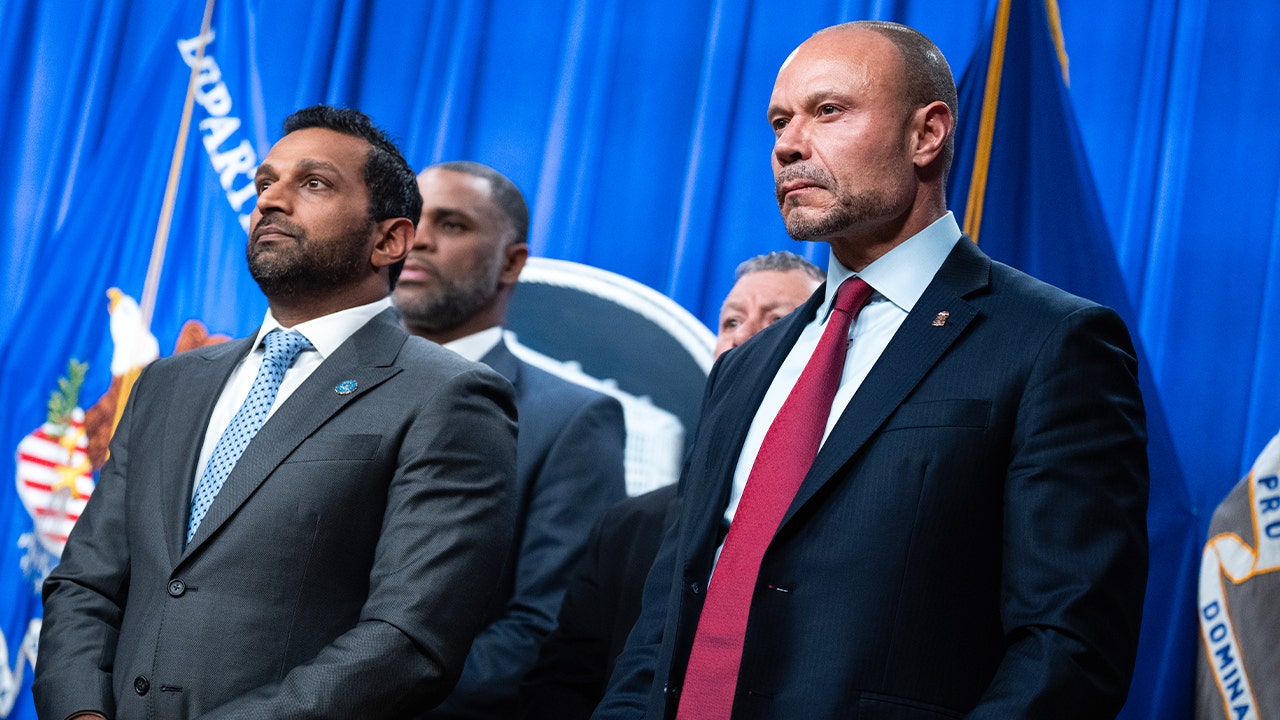
Dan Bongino Returns to Private Life After Brief Stint as FBI Deputy Director
Dan Bongino has officially returned to civilian life after serving less than a year as deputy director of the Federal Bureau of Investigation. On Sunday, Bongino announced via social media that his tenure at the FBI had come to an end, describing his time in the role as “an incredible year” made possible by “the leadership and decisiveness of President Trump.” His departure, which he had announced in mid-December, marks the end of a brief but significant chapter in his professional life, as he called the opportunity to work alongside FBI Director Kash Patel “the honor of a lifetime.” Throughout his short tenure, Bongino maintained that his primary commitment was to serve the American people, a sentiment he reiterated in his farewell message.
The transition back to private life appears to be something of a relief for Bongino, who had been transparent about the personal challenges the position entailed. During a candid May appearance on “Fox & Friends,” he revealed the significant personal sacrifices he had made to fulfill his duties at the Bureau. “I gave up everything for this,” he explained, describing how the demanding role had physically separated him from his family. In particularly poignant remarks, he shared, “I stare at these four walls all day in D.C., by myself, divorced from my wife — not divorced, but I mean separated — and it’s hard. I mean, we love each other, and it’s hard to be apart.” These heartfelt comments offered a rare glimpse into the human cost of high-level government service that often goes unseen by the public.
President Trump, who appointed Bongino to the position in March, offered words of appreciation for the outgoing deputy director’s contributions. When asked about Bongino’s departure, Trump told reporters, “Dan did a great job. I think he wants to go back to his show,” suggesting that Bongino might be returning to his previous career in media where he had established himself as a conservative commentator and podcast host. The statement reflects the unusual path Bongino took to the FBI’s second-highest position, coming not from within the ranks of career law enforcement but from the world of political commentary and advocacy.
Bongino’s appointment had been notable from the start, as he joined the FBI leadership without the traditional background of many who rise to such positions within the Bureau. Prior to his media career, Bongino had served as a Secret Service agent, giving him some law enforcement experience, but his selection nevertheless represented a departure from conventional FBI leadership appointments. During his brief tenure, he worked alongside Director Kash Patel, who himself had been a somewhat controversial choice to lead the Bureau. Together, they represented the Trump administration’s effort to reshape leadership at one of America’s most powerful law enforcement agencies.
The timing of Bongino’s departure, coming less than a year after his appointment, raises questions about the continuity of leadership at the FBI. His exit leaves Andrew Bailey, who was appointed co-deputy director in September 2025, as the Bureau’s remaining deputy director. Bailey’s appointment as co-deputy alongside Bongino had created an unusual leadership structure at the FBI, with two individuals simultaneously occupying the second-highest position. This arrangement, now simplified with Bongino’s departure, had been another unconventional aspect of the current FBI administration under Patel and Trump.
As Bongino transitions back to “the other side,” as he put it in his farewell message, his brief tenure serves as a reminder of both the allure and the cost of public service. For less than a year, he stepped away from his established media career to take on a challenging role within federal law enforcement, only to return to civilian life after concluding that the personal sacrifices outweighed the professional rewards. His experience highlights the difficult balance that many public servants attempt to strike between their duty to country and their commitments to family and personal well-being. While his time at the FBI was brief, Bongino’s candor about both the honor of service and its personal toll provides a humanizing perspective on the individuals who take on such demanding positions of public trust.