

Federal Immigration Enforcement in Minneapolis: Tensions Rise Amid Judicial Rulings
In a city already grappling with social unrest, Minneapolis now finds itself at the center of a heated confrontation between federal immigration authorities and civil rights advocates. The conflict escalated when U.S. District Judge Kate Menendez issued a significant ruling on Friday that limits federal officers’ ability to use tear gas and other non-lethal munitions against peaceful protesters during “Operation Metro Surge” – a controversial immigration enforcement initiative. This ruling represents a pivotal moment in the ongoing tensions between law enforcement tactics and constitutional protections for citizens exercising their right to protest.
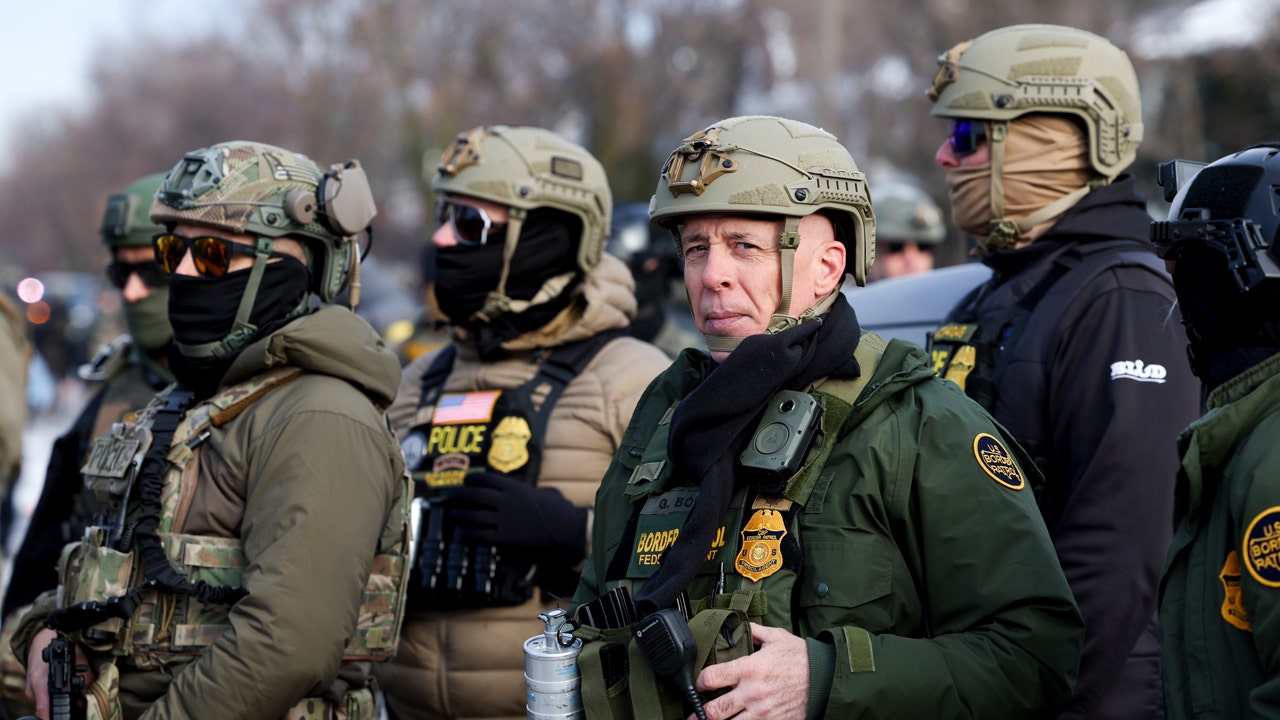
Border Patrol commander Gregory Bovino made it clear that despite the judicial constraints, federal agents would continue using tear gas against those deemed violent protesters who “cross the line.” Speaking on Fox News Live, Bovino emphasized that immigration officers have never deployed tear gas against peaceful demonstrators, stating, “We always support the First Amendment, but when they cross the line and they’re violent, we will use those less lethal munitions because it keeps them safe, it keeps our officers safe, and it keeps the public safe.” This stance highlights the delicate balance federal authorities are attempting to strike between maintaining public order and respecting constitutional rights in an increasingly volatile environment.
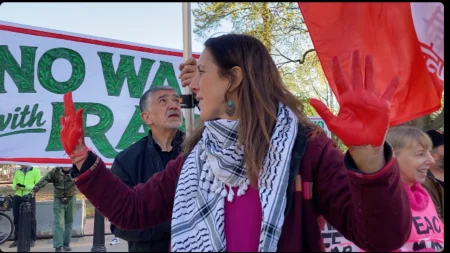
The judicial ruling came in response to a case filed last December by the American Civil Liberties Union of Minnesota representing six Minnesota activists. Judge Menendez’s order specifically prohibits federal agents from detaining or using tear gas against peaceful protesters who aren’t obstructing authorities during Operation Metro Surge. The ruling establishes clear boundaries: federal agents must demonstrate probable cause or reasonable suspicion that someone has committed a crime or is interfering with law enforcement operations before taking action. Furthermore, it clarifies that peacefully following officers “at an appropriate distance does not, by itself, create reasonable suspicion to justify a vehicle stop” – a significant protection for those observing immigration enforcement activities.
Tensions in Minneapolis have been particularly high following a tragic incident earlier this month when an Immigration and Customs Enforcement (ICE) agent fatally shot 37-year-old Renee Good during a federal immigration enforcement operation. Judge Menendez noted in her ruling that the immigration crackdown by the Department of Homeland Security in Minnesota appears to be intensifying rather than winding down, writing, “There is no sign that this operation is winding down—indeed, it appears to still be ramping up.” This observation reflects growing concerns among community members and civil rights advocates about the scope and methods of federal immigration enforcement in their city.
Local officials have responded to the court’s decision with cautious approval while calling for peace. The City of Minneapolis released a statement applauding the ruling while urging community members to remain “peaceful and lawful” around immigration agents, noting, “As this is a federal court order, we expect the federal administration to change course and comply for the safety of all.” Minnesota Attorney General Keith Ellison characterized the ruling as “a preliminary win” that “matters for every Minnesotan exercising their constitutional right to peaceful protest and witness.” These responses highlight the tension between local governance and federal operations within Minneapolis, with city officials seemingly caught between supporting their residents’ rights and managing the presence of federal enforcement activities.
The Department of Homeland Security has pushed back against the characterization that their operations have overstepped constitutional boundaries. DHS Assistant Secretary Tricia McLaughlin emphasized that the First Amendment does not protect “rioting,” stating that DHS is “taking appropriate and constitutional measures to uphold the rule of law and protect our officers and the public from dangerous rioters.” She described a concerning pattern of behavior, claiming that “Rioters and terrorists have assaulted law enforcement, launched fireworks at them, slashed the tires of their vehicles, and vandalized federal property.” McLaughlin defended the actions of law enforcement, asserting they have “used the minimum amount of force necessary to protect themselves, the public, and federal property.” This framing of events presents a starkly different narrative than that offered by civil rights advocates, illustrating the profound gap in perception that continues to fuel this conflict.