


Federal Immigration Operations in Minnesota: Leadership Changes Amidst Tensions
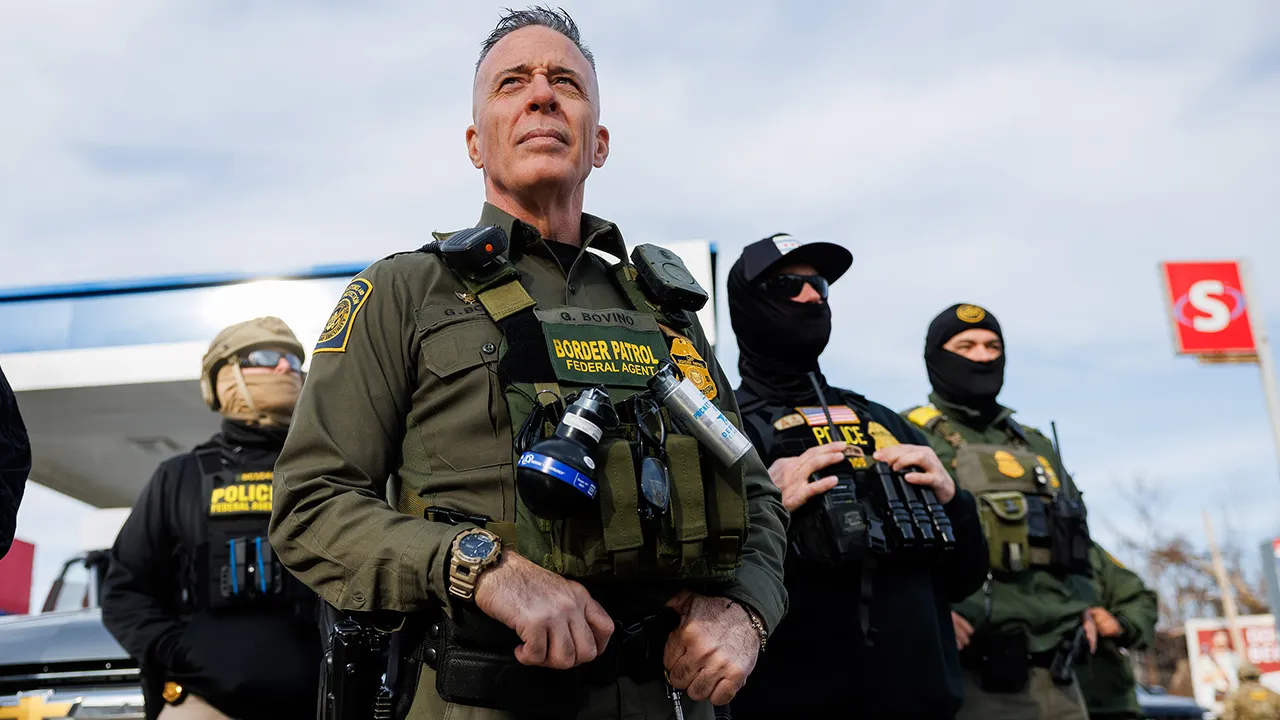
Border Patrol commander Gregory Bovino, who has been the visible leader of the Trump administration’s campaign to apprehend and deport criminal immigrants in the country illegally, is departing Minnesota along with an unspecified number of Border Patrol agents. According to multiple federal sources who spoke with Fox News, this transition could happen as early as Tuesday. The timing coincides with President Donald Trump’s announcement that he’s deploying former border czar Tom Homan to take the lead in Minnesota. White House Press Secretary Karoline Leavitt defended Bovino, describing him as “a wonderful man” and “a great professional,” while clarifying that he would “continue to lead Customs and Border Patrol, throughout and across the country.” This leadership change suggests a strategic shift in how federal immigration operations will be managed in the region, with Homan serving as “the main point of contact on the ground in Minneapolis.”
Before overseeing national operations, Bovino led the Border Patrol’s El Centro Sector in Southern California, managing 70 miles of the U.S.-Mexico border across Imperial and Riverside counties. His approach to apprehending individuals who are in the country illegally with criminal records has drawn criticism from opponents of the administration’s deportation policies. The methods employed by federal immigration authorities under his leadership have become increasingly controversial, especially in Minnesota, where tensions have escalated between federal agents and anti-ICE protesters. These tensions reflect the broader national debate about immigration enforcement approaches and the balance between national security concerns and humanitarian considerations.
The announcement of Bovino’s departure comes in the wake of a tragic incident in which Alex J. Pretti, a 37-year-old nurse, was fatally shot by a U.S. Border Patrol agent. According to authorities, Pretti was armed with a handgun while filming federal officers on a Minneapolis street and was shot while reportedly resisting disarmament. At the time of the incident, federal agents were targeting Jose Huerta-Chuma, an individual allegedly in the country illegally with a criminal history including domestic assault with bodily harm, disorderly conduct, and driving without a valid license. This deadly confrontation has intensified scrutiny of federal immigration operations in Minnesota and heightened emotions on all sides of the immigration debate.
In response to the escalating situation, President Trump has appointed Tom Homan to oversee ICE operations in Minneapolis and St. Paul, stating that Homan will report “directly to me.” On his Truth Social platform, Trump described Homan as “tough but fair” and noted that while Homan “has not been involved in that area,” he “knows and likes many of the people there.” The president’s direct involvement in the Minnesota situation signals the administration’s prioritization of immigration enforcement in this region, particularly amid what Trump has characterized as “violent organized protests” in the streets. The decision to send in Homan represents a significant federal response to the local tensions surrounding immigration enforcement.
The Minnesota situation has become emblematic of the complex and often contentious nature of immigration enforcement in America. Federal authorities have faced resistance from local activists and some community members who oppose the tactics being used to apprehend individuals targeted for deportation. These clashes have sometimes turned violent, as evidenced by the recent fatal shooting. The situation raises important questions about the relationship between federal immigration authorities and local communities, the appropriate use of force in immigration enforcement operations, and the balance between enforcing immigration laws and respecting civil liberties and human rights. These tensions are playing out against the backdrop of a deeply polarized national conversation about immigration policy.
President Trump has also linked the immigration enforcement issues in Minnesota to what he described as “massive 20 Billion Dollar, Plus, Welfare Fraud that has taken place in Minnesota,” which he suggested is “at least partially responsible for the violent organized protests going on in the streets.” This connection between alleged welfare fraud and immigration enforcement represents another dimension of the complex and multifaceted situation in Minnesota. As Homan takes the lead and Bovino departs, the future of immigration enforcement operations in Minnesota remains uncertain, with many stakeholders watching closely to see how federal strategies might evolve in response to recent events and ongoing tensions. The situation in Minnesota thus serves as a microcosm of the broader national challenges surrounding immigration policy, law enforcement tactics, community relations, and the fundamental values that guide America’s approach to these issues.