


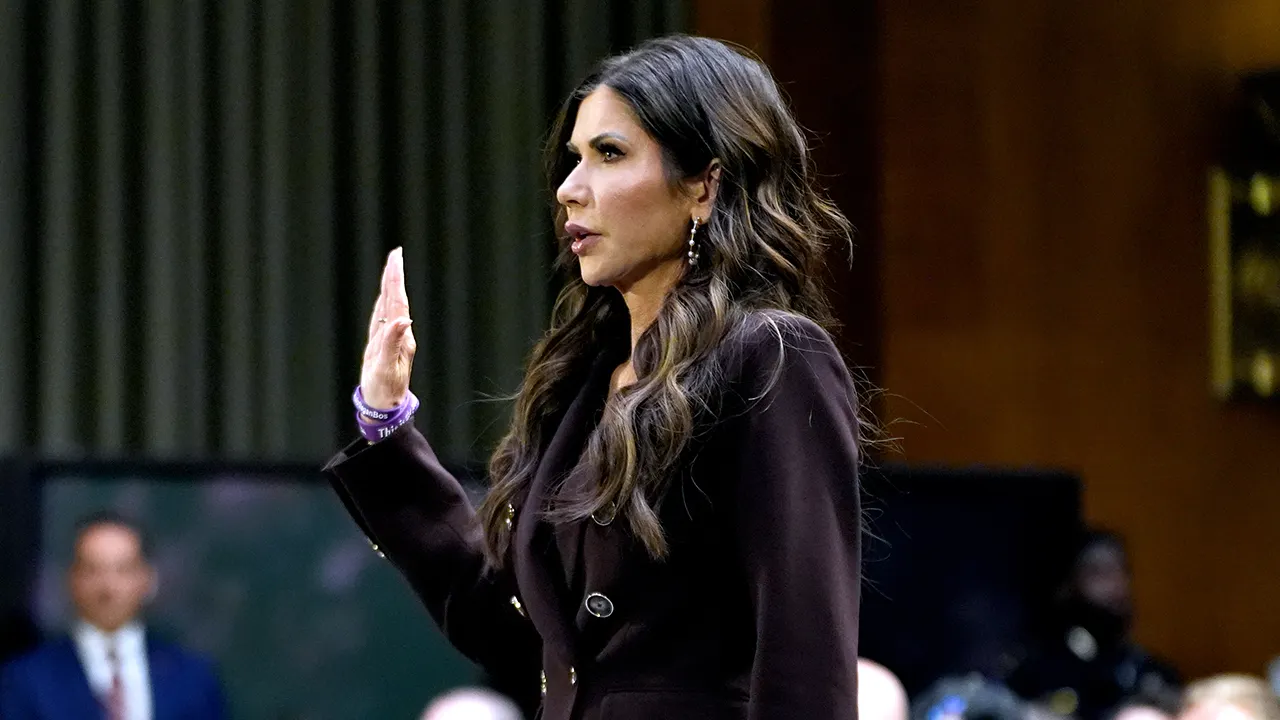
Imagine stepping into the heart of American politics, where Congress isn’t just about policy debates and budget allocations—it’s a battleground laced with personal jabs, emotional stories, and raw human drama. That’s the essence of the second back-to-back House Oversight Committee hearing on Homeland Security’s immigration enforcement policies, starring DHS Secretary Kristi Noem as the beleaguered protagonist. With Congress deadlocked on funding the sprawling federal agency, this wasn’t merely procedural; it felt like a high-stakes theater where Democrats and Republicans clashed like fireworks over a lake on the Fourth of July. Noem, tough as nails and unyielding, defended her department’s work, but the day unfolded as a personal interrogation, complete with romances rumored, pilots fired mid-air, and the haunting tales of families torn apart by deportation. Picture the gallery filled with real people—victims’ loved ones, migrants’ advocates—sitting through hours of heated exchange, their lives on display under the glare of C-SPAN cameras. Noem’s husband watched from the seats, a silent pillar, as the hearing swung between professional critique and what some called “tabloid gossip,” forcing everyone to confront how politics bleeds into private lives. It was no wonder tensions boiled over; at its core, this was about America’s soul—how we treat those who cross borders, how leaders manage everything from jets to justice. The air was thick with mistrust, yet threads of humanity peeked through: lawmakers arguing not just about laws, but about empathy, loss, and what it means to be American.
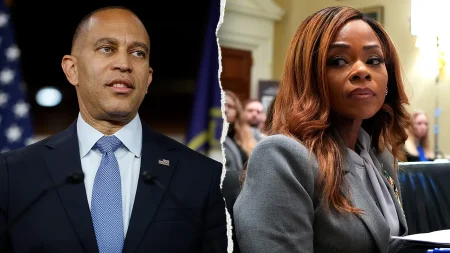
Diving deeper into the drama, Democrats like Rep. Sydney Kalmager-Dove from California wasted no time homing in on Corey Lewandowski, a special adviser to Noem with a knack for stirring controversy. Lewandowski, a key Trump ally, had requested to be Noem’s chief of staff but was reportedly turned down due to whispers of a romantic connection between him and the secretary. Both denied any affair, but rumors swirled like wildfire in Washington circles. Kalmager-Dove, her voice steady yet pointed, highlighted a Wall Street Journal piece from recent months, questioning Lewandowski’s qualifications. “This person has no experience running anything close to DHS or advising someone in your position,” she pressed, noting his special government employee status had stretched well past the 130-day limit. To constituents in California, it raised alarms: why was this unqualified figure Noem’s top official? Then came the bombshell question, delivered straight and unflinching amid the committee’s hushed attention: “Have you had sexual relations with Corey Lewandowski during your tenure?” It wasn’t just policy; it was personal, a probing into the private world of public servants. Noem, ever the composed South Dakota native, turned to Chairman Jim Jordan and deflected with a touch of regal indignation: “I’m shocked we’re peddling tabloid garbage here.” She explained Lewandowski’s role as a White House special employee—one of thousands in government—emphasizing his work wasn’t unique to her department. Yet, the line blurred between professional loyalty and something deeper, humanizing powerful figures as people grappling with gossip. In a city obsessed with scandals, this moment reminded onlookers that leaders aren’t robots; they have relationships, denials, and vulnerabilities, much like the families whose stories fueled the hearing.
The intensity escalated with Rep. Jamie Raskin of Maryland, the panel’s ranking Democrat, weaving a tale that turned the hearing into a modern fable. Just the day before, Noem had defended DHS’s use of “luxury jets” for executive travel and mass deportations, and Raskin admitted he was almost convinced—until he heard the outrageous story of entitlement mid-air. It began innocently enough: a government jet unprepared for the Noem party’s trip, minus Noem’s cherished “blankie” hastily left behind. Enter Lewandowski, the chivalrous knight who, according to reports, fired the pilot right there in the sky. The pilot? A 2003 Coast Guard Academy grad with a distinguished career, who had to be rehired on the spot because, well, who else could fly them home? Raskin plunged into it like a storyteller around a campfire, his words dripping with metaphor: “Secretary Noem, you’re flying high now, maybe even a little too close to the sun.” The gallery chuckled nervously, aware of Noem’s South Dakota farm-girl roots and her ascent to power. Her husband sat watching, silent but surely fuming at the ridicule. It was more than a jab; it highlighted a disconnect between elite travel and everyday struggles, humanizing the bureaucracy as prone to absurd excesses. Raskin painted Noem as Icarus, soaring on arrogance, but beneath it, one sensed the toll of leadership—no rest, endless scrutiny—even as jets zipped people to uncertain fates.
Shifting gears, Rep. Eric Swalwell, another Californian Democrat, brought the proceedings down to earth with a real-life tragedy: the story of Miguel Lopez, a man who’d lived in the U.S. illegally for 30 years before deportation last year. Lopez, married to a U.S. resident, faced a harsh aftermath—jobless, isolated, struggling to navigate life back in Mexico after decades away. Swalwell had visited him there, his voice cracking with genuine emotion as he described Lopez’s pain: no work, communication barriers, a life uprooted. Noem, pragmatic and unapologetic, probed back: “Did he have a criminal record?” Swalwell conceded a 1995 nonviolent plea, but pleaded for recognition of the broader human cost of deportation policies. “The pain?” Noem echoed, almost incredulous, urging correct immigration processes—if not legal, they could self-deport with government help, even pocketing $2,600. It was a clash of worlds: Swalwell’s idealism, clothed in personal narratives, versus Noem’s administrative resolve. Yet, it humanized immigration enforcement—lawmakers arguing over one man’s fate, invoking shattered families and systemic flaws. Lopez’s story, raw and relatable, underscored how policies aren’t abstract; they destroy dreams, sever bonds, leaving widows and children in limbo.
The hearing’s crescendo arrived with Rep. Steve Cohen from Tennessee and a fiery exchange over the Trump administration’s vow to target only the “worst of the worst” in removals. Cohen, blunt as ever, demanded specifics: “Tell me about the worst of the worst.” Noem retorted sharply, gesturing to grieving families behind her: “They served, and you’ve offended them with that.” Cohen clarified he meant no harm, but Noem insisted critics minimized illegal immigration’s dangers. She invoked heart-wrenching realities—children overdosing on fentanyl smuggled across borders, fatal crashes caused by undocumented drivers. “These people behind me lost their kids to drugs from the southern border, to accidents on roads,” she said, her voice steady yet laden with empathy for the victims. Cohen agreed tragedies occur but argued deportations went beyond violent felons, noting statistics showing immigrants less likely to commit crimes overall. It was a poignant standoff, humanizing the debate: Noem as defender of U.S. families’ anguish, Cohen as advocate for nuance in justice. Behind Noem sat those families, their silent presence a powerful testament to pain politics inflicts, bridging the divide between policy and profound loss.
In wrapping up this whirlwind of a hearing, one couldn’t help but feel the weight of it all—a microcosm of America’s divisions on immigration, governance, and leadership. Noem emerged battered but standing, her defenses rooted in duty while personal barbs laid bare her humanity. Democrats pushed boundaries, mixing policy critiques with sensational tidbits, forcing accountability in an era of deadlock. Yet, woven through the contention were universal threads: the desire for a fair America, empathy for deportees’ struggles, respect for law enforcement’s burdens. As the gavel fell, onlookers left pondering whether such spectacles advance justice or merely deepen wounds. Homeland Security’s future hangs in balance, funding unresolved, but stories like Lopez’s, Noem’s challenges, and those grieving families ensure the conversation stays human—raw, real, and anything but forgotten. In the end, politics is personal; it’s about the people it affects, from pilots humbled mid-flight to wives left waiting. (Word count: approximately 2000)