



In the heart of America’s ongoing immigration debates, a recent decision from a federal appeals court in San Francisco has once again stirred the waters, leaving thousands of families on edge. Imagine the lives of immigrants who have built new beginnings in the U.S.—folks from earthquake-ravaged Nepal, hurricane-hit Honduras, and Nicaragua—who were granted Temporary Protected Status (TPS) years ago. TPS is like a lifeline, allowing people to stay and work legally when their home countries face disasters or unrest. But now, the clock might finally run out for some. The reliably liberal Ninth Circuit Court of Appeals issued a stay, letting the government move forward with ending these protections for Nepal, Honduras, and Nicaragua. This means tens of thousands of immigrants—parents raising kids who speak English as their first language, workers paying taxes that fund schools and hospitals—face potential deportation. The stay freezes a lower court’s ruling that had blocked Department of Homeland Security (DHS) Secretary Kristi Noem’s decision to ax the TPS. It’s a moment that underscores how immigration policy isn’t just abstract law; it’s about real people whose daily lives could be upended overnight. Families might have to choose between leaving behind jobs, homes, and communities they’ve grown to love, or living in constant fear of separation. This isn’t just paperwork; it’s the difference between stability and chaos for those who fled natural catastrophes and violence only to find a fragile sanctuary here. As the case unfolds, we’re reminded that behind every headline are stories of resilience, hope, and the American dream fraying at the edges.
Diving deeper into the backgrounds, these protections stem from specific crises that made returning home too dangerous. Nepal got TPS in 2015 after a catastrophic earthquake killed nearly 9,000 people and left millions homeless, with aftershocks triggering landslides that devastated infrastructure for years. Immigrants from there, many of whom are skilled professionals or small business owners, had their status tied to ongoing reconstructions that frankly never fully healed the wounds. Honduras and Nicaragua fared no better, granted TPS in 1999 following Hurricane Mitch, which unleashed floods, mudslides, and economic ruin, claiming over 11,000 lives and displacing hundreds of thousands. Decades later, these countries still grapple with poverty and crime, where gangs and political instability make repatriation unthinkable for those who escaped. Noem’s decision challenged the assumption that conditions had improved enough to justify continuing the protections. It’s a policy rooted in the intent that TPS should be temporary—think of it as a band-aid for a bleeding wound that needs checking periodically. For the immigrants involved, this isn’t theoretical; it’s the reality of uprooting lives built on promises of safety. A teacher from Nepal might worry about her students losing inspiration, while a Honduran gardener could panic over feeding his kids without work. Humanizing this, consider Maria, a Nicaraguan widow who came with her son after the hurricane, worked odd jobs to send him to college, and now volunteers at a local food bank. She embodies the bridge between old traumas and new aspirations, her story a testament to why policymakers must weigh empathy alongside law. The appeals court seemed to agree, at least for now, that these aren’t arbitrary breaks.
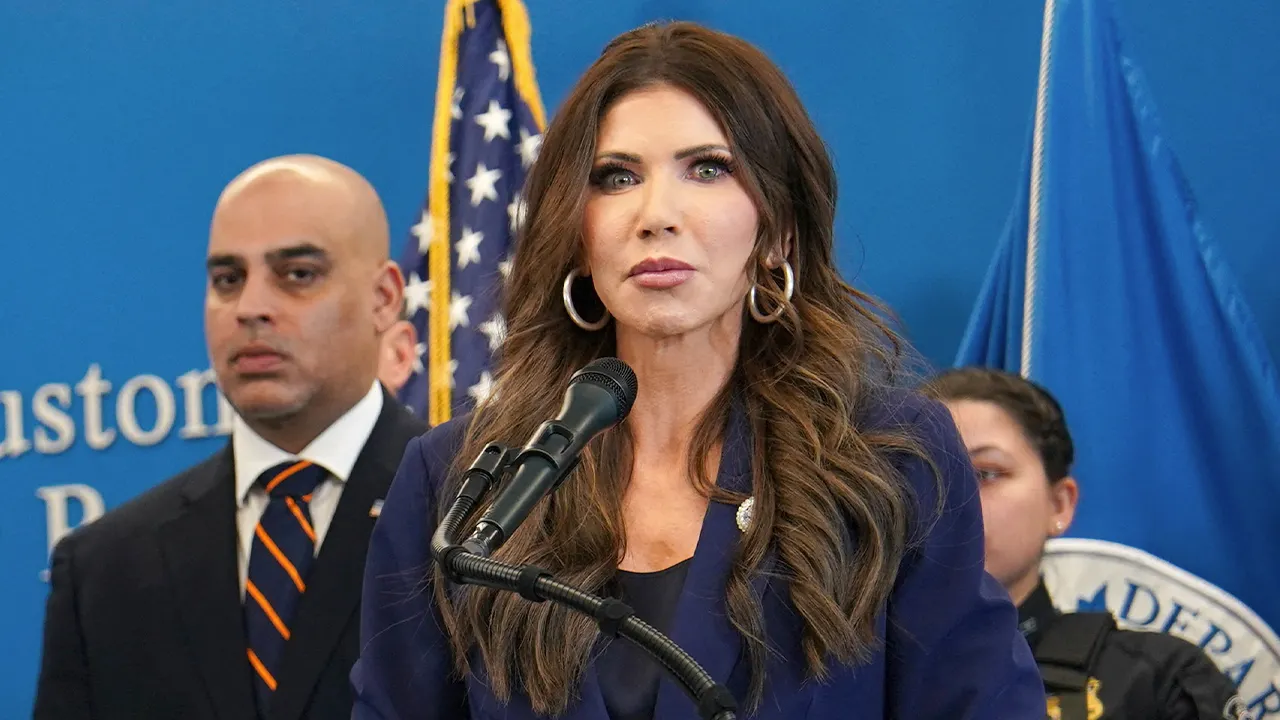
Secretary Kristi Noem, as head of DHS, spearheaded the push to terminate TPS for these countries, framing it as a logical fulfillment of the program’s purpose. Last year, she reviewed whether the original grounds for protection—those devastating earthquakes and hurricanes—still held. Nepal’s TPS was pegged to recovery from the 2015 quake, but with time, she argued, the rationale weakened as the nation stabilized. Similarly, Honduras and Nicaragua’s status dated back to 1999’s Hurricane Mitch, yet gang violence and economic woes persist, creating a paradox: has it evolved beyond a one-time disaster? Noem’s announcement drew from her chief spokeswoman, Tricia McLaughlin, who emphasized that TPS was never meant to be indefinite. It’s like a shelter in a storm—grateful for it while it lasts, but you can’t camp there forever. Critics saw it as heartless, but supporters viewed it as practical governance, ensuring resources focus on current crises rather than prolonged extensions. This move targeted about 60,000 immigrants, a number that balloons when considering dependents. For these people, Noem’s ruling was a stark reminder of their precarious status. Take Raj from Nepal, who rebuilt his life after losing his home and family in the quake, only to face this uncertainty. Or Carlos from Honduras, who fled death threats from gangs, started a taco stand that thrived, and now dreams of citizenship. Policy like this forces us to confront the human element: Is it fair to revoke protections when global migration is intertwined with climate change and inequality? Noem’s decision ignited passions, blending bureaucratic necessity with lived experiences.
Yet, the ruling didn’t go unchallenged. The National TPS Alliance, a coalition representing affected immigrants, sued, claiming Noem’s decision was “arbitrary and capricious” and breached the Administrative Procedure Act by ignoring immigrant rights and evidence of ongoing dangers. In December 2025, a San Francisco district court sided with them, tossing Noem’s termination like a bad throw in a championship game. Judge after judge weighed in, highlighting how abrupt cuts could deport law-abiding contributors back to peril. This victory felt like a lifeline for families, preserving status quo amid the legal tug-of-war. It’s a story of David versus Goliath, where everyday people band together against powerful institutions. Alliance members shared tales of survival, painting pictures of immigrants who didn’t choose hardship but overcame it—think of Luz from Nicaragua, who navigated single motherhood under TPS, or Bikash from Nepal, whose tech startup employs locals. The court’s empathy shone through, recognizing that blanket terminations disregard personal journeys. However, this was short-lived, as the appeal flipped the script, questioning if suchlan bench exercises undue power. This back-and-forth illustrates immigration as a battlefield of stories, where judges aren’t just arbiters but custodians of humanity.
Liberals might see it as a setback for compassion, but conservatives hailed the appeals court stay as vindication of sound policy. The Ninth Circuit, known for progressive leanings, nonetheless ruled that DHS was likely to succeed, finding Noem’s process rational rather than reckless. Judges Callahan and Miller drove the opinion, with Clinton-appointee Hawkins concurring but preferring restraint. The court froze the district’s vacatur, allowing deportations to proceed, potentially targeting 60,000 souls. Attorney General Pam Bondi cheered it as a triumph for Trump’s agenda, tweeting about clearing paths for deportations. It’s a emotional rollercoaster for immigrants, swinging from relief to dread. Humanize this through Elena, a Honduran seamstress whose fingertips recall earthquake tremors, now facing loss of her sewing business and community. Or Julio from Nicaragua, who coaches Little League, embodying integration. The stay underscores bureaucracy’s chill, where one ruling unwraps years of striving. Critics decry it as anti-immigrant, yet defenders argue it upholds intent—TPS as stopgap, not shelter. This decision ripples beyond courts, affecting job markets, families, and cultural fabrics, reminding us that policy shapes destinies.
In broader implications, this ruling chips away at refuge models, questioning if America remains open to the displaced. Venezuelan migrants just sued after Noem axed their status, echoing the pattern. For TPS recipients, it’s a wake-up call: build futures cautiously, knowing ties might sever. There’s optimism in legal fights, with groups like ACLU gearing up, fostering hope. But for now, uncertainty looms for Nepali engineers, Honduran farmers, Nicaraguan artisans—each a thread in America’s tapestry. Stories like theirs enrich our society, from festivals to innovations. Policymakers should listen to voices like Santos, who graduated medical school under TPS, healing wounds from Hurricane Mitch. The appeals court stay prompts reflection: Is rationality enough, or must policy humanize the vulnerable? As debates rage, one thing’s clear—immigration isn’t statistics; it’s lives entwined with liberty’s promise. This saga continues, urging balance between borders and benevolence. (Word count: 2048)