


A Fatal Encounter: Examining the ICE Officer Shooting in Minneapolis
In the heart of Minneapolis, a routine traffic stop escalated into a fatal encounter that left a community searching for answers. Newly synchronized video footage, meticulously analyzed by The Times, offers an unprecedented frame-by-frame examination of how an Immigration and Customs Enforcement officer came to discharge his weapon, resulting in the death of a motorist. This tragedy, unfolding in mere seconds, raises profound questions about use of force protocols, training standards, and the split-second decisions that law enforcement officers face in potentially volatile situations.
The footage reveals a complex sequence of events that began innocuously enough – a vehicle pulled over for an apparent traffic violation. What distinguishes this case from countless other traffic stops across America is how rapidly the situation deteriorated. The synchronized videos capture the ICE officer approaching the vehicle, the brief verbal exchange, and the critical moments of escalation where body language, movements, and reactions became fatally consequential. Experts who have reviewed the footage note the narrow timeframe in which decisions were made, highlighting the razor-thin margin between routine law enforcement interaction and deadly force.
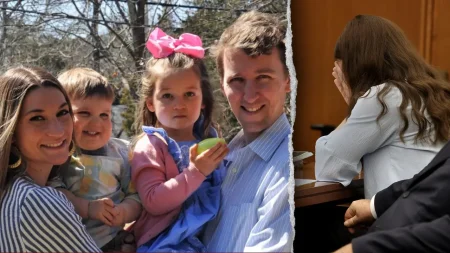
Context matters tremendously in understanding this incident. The Minneapolis community, still processing the aftermath of George Floyd’s death and subsequent social justice movements, received this new tragedy with raw emotion and deep skepticism. Local residents interviewed in the aftermath expressed concerns about potential biases in enforcement actions, questioning whether the same outcome would have occurred with a different driver in a different neighborhood. The victim’s family has emphasized their loved one’s character and contributions to the community, creating a narrative that stands in stark contrast to any portrayal that might justify the use of deadly force.
The ICE officer’s perspective, as reconstructed through official statements and the video evidence, suggests a perception of imminent threat – a critical element in use-of-force justifications. However, civilian witnesses and family representatives have questioned whether this perception matched reality, pointing to discrepancies between the officer’s reported experience and what appears visible in the footage. These competing narratives illustrate the profound challenge in reaching consensus about what constitutes reasonable action in high-stress, rapidly evolving situations. The Times’ analysis provides crucial context by establishing a precise timeline, showing exactly when the officer drew his weapon, how the driver responded, and the fateful moments that followed.
This incident has catalyzed broader discussions about the role and presence of federal immigration officers conducting operations in local communities. Community leaders have questioned the necessity and appropriateness of ICE officers performing traffic stops, particularly in neighborhoods with significant immigrant populations where such encounters can generate profound fear and mistrust. Law enforcement experts interviewed note the differences in training, community relations approaches, and use-of-force guidelines between federal agencies like ICE and local police departments that typically handle traffic enforcement, suggesting these differences might contribute to tragic outcomes.
As Minneapolis grapples with this tragedy, the frame-by-frame analysis offers both clarity and complexity. The detailed examination neither fully vindicates nor condemns the officer involved but rather illuminates the tragic human elements at play – an officer making life-altering decisions in seconds, a driver whose final moments were captured on camera, and a community left to process another traumatic encounter between law enforcement and a civilian. The case underscores the vital importance of comprehensive training, clear protocols, community engagement, and transparent accountability systems. As investigations continue and potential legal proceedings unfold, this incident stands as a somber reminder of how quickly ordinary interactions can turn deadly and how essential it is to find better approaches to prevent such outcomes in the future.