



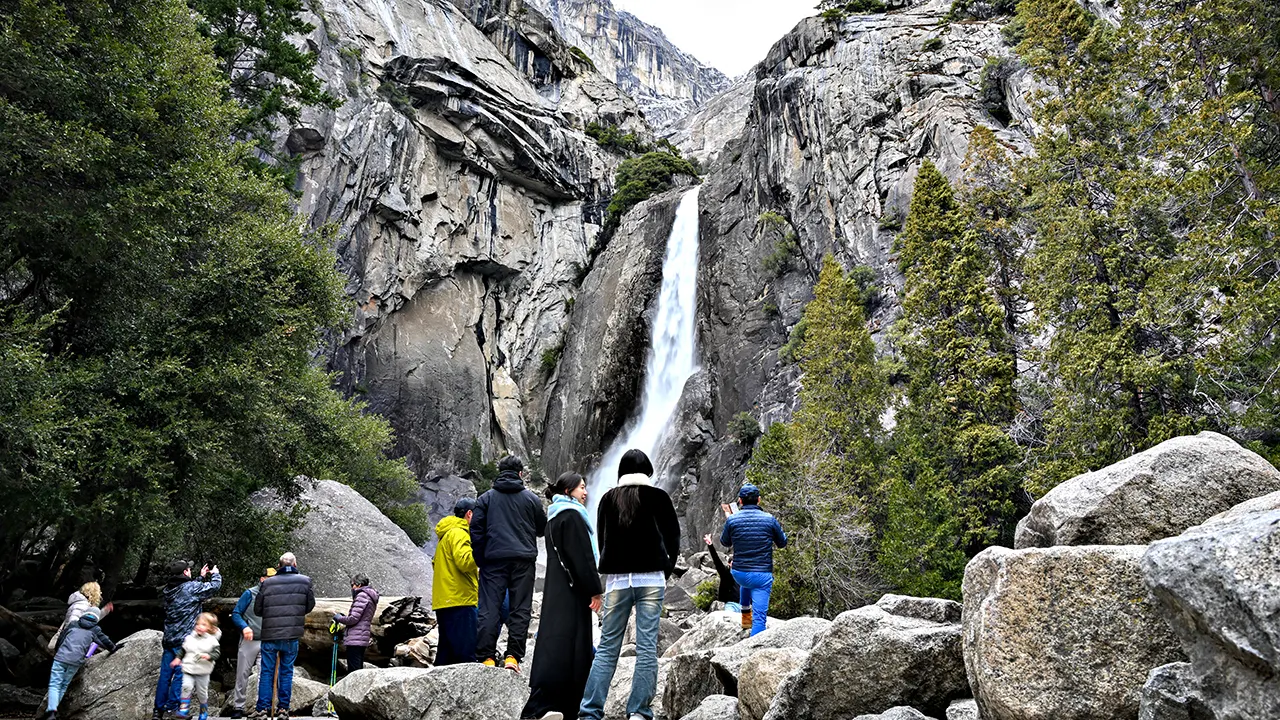
Visiting a national park like Yosemite should be an awe-inspiring adventure, a chance to connect with nature’s grandeur, the towering cliffs, the cascading waterfalls, and the serene wilderness that reminds us of America’s vast and beautiful landscapes. But sometimes, human behavior disrupts this harmony, turning peaceful spots into scenes of disrespect. Over the weekend, vandals targeted Yosemite National Park, defacing a boulder and other sites with graffiti scrawled in spray paint. The word “Yeti” stood out boldly, almost like a mysterious, mythical creature claiming its territory amid the real-world beauty. This act wasn’t just a prank; it marred the natural wonder that millions come to experience every year. As someone who loves hiking these trails, it’s disheartening to think that a few individuals could so carelessly tarnish a place that’s meant to be preserved for everyone. Yosemite, with its iconic features like Yosemite Valley and the mighty Yosemite Falls, has always symbolized pristine outdoor escapism, but incidents like this highlight how vulnerable these treasures are to thoughtless actions. Imagine standing at Bridalveil Falls, feeling the mist on your face, and then stumbling upon something as jarring as graffiti—it shatters the illusion of untouched wilderness. The vandals in question hadn’t been caught yet, but park rangers were on the alert, scouring the area to assess the damage and possibly identify the perpetrators. This wasn’t an isolated event; it echoed similar issues plaguing many national parks across the U.S., where visitors sometimes forget the responsibility that comes with enjoying such privileges. We all have a role in protecting these spaces, whether through mindful hiking or reporting suspicious activity, because when nature is disrespected, it’s not just rocks and trees that suffer—it’s our shared heritage. Stories like this remind me of the delicate balance between human curiosity and environmental stewardship, urging us to foster a deeper appreciation for why places like Yosemite deserve better. Perhaps the vandals were seeking attention, or maybe they felt invincible in the vast park, but their actions speak to a broader problem of entitlement that creeps into our interactions with public lands. Yosemite’s allure draws over four million visitors annually, each hoping for that transformative encounter with the outdoors, yet a minority turns appreciation into defacement, leaving behind reminders of human folly. In response, park officials have ramped up patrols, emphasizing education about the rules governing these protected areas. As I ponder this incident, I can’t help but feel a twinge of sadness for future generations who might hike these paths and encounter scars from the past. It’s a call to action for all of us: visit with respect, leave no trace, and perhaps even advocate for stricter measures to safeguard our national treasures. The “Yeti” graffiti, seemingly whimsical on the surface, serves as a stark symbol of how easily beauty can be marred, prompting reflections on our impact on the environment. National parks are national assets, and incidents like this at Yosemite underscore the need for collective vigilance. If we don’t stand up for these places, who will? The vandalism near the Bridalveil Falls Trail is a wake-up call, inviting us to rethink how we engage with nature and ensure that future explorations remain unblemished by thoughtlessness.
The discovery of this graffiti came from an everyday parkgoer, Ando Arakelyan, whose keen eye and quick action turned a personal outing into a public alert. As a frequent visitor to Yosemite, Ando was hiking the Bridalveil Falls Trail when he noticed the spray-painted “Yeti” etched onto a boulder, a door, and an informational sign. It’s the kind of sight that stops you in your tracks, pulling you out of the trail’s natural rhythm and into a moment of disbelief. Ando, sharing photos on social media, witnessed firsthand how this defacement clashed with the park’s majestic beauty—Bridalveil Falls, with its filmy veil of water plunging from sheer granite heights, now overshadowed by human-created ugliness. He described the scene to local media, painting a picture of a spot that should inspire wonder but instead evoked frustration. In conversations with outlets like Outside, Ando opened up about his perspective as someone deeply connected to Yosemite’s trails. He isn’t just a casual hiker; he’s someone who’s invested time and money into experiencing these wonders repeatedly, and yet, even he has noticed a disturbing trend. Seeing graffiti isn’t new for him, but the frequency is what’s alarming. Months might pass between encounters, but when they happen, they leave an indelible mark on the psyche. I can imagine Ando standing there, phone in hand, feeling a mix of anger and disappointment—anger at the vandals for wreaking havoc, and disappointment that such behavior has become commonplace enough to be “uncommon no more.” His account adds a human touch to the story, transforming a news item into a relatable narrative from someone who’s out there loving the parks. Without folks like Ando, these incidents might go unnoticed, allowing damage to accumulate silently. His willingness to spotlight the issue through photos and interviews bridges the gap between official reports and public awareness, encouraging others to speak up when they see similar offenses. It’s people like him who keep the conversation alive, reminding us that national parks thrive on community involvement as much as on government oversight. Ando’s story isn’t just about catching vandals; it’s about rekindling our commitment to these spaces, ensuring they remain sanctuaries for all. By sharing his experience, he’s fostering empathy, showing how one person’s vigilance can amplify the call for respect. In a world where social media can spread stories instantly, Ando’s post could’ve easily been dismissed as another viral oddity, but instead, it sparked a broader dialogue about preservation. Yosemite isn’t just a backdrop for Ando’s hikes; it’s a personal sanctuary, and his anecdotes humanize the stakes, urging us to view these acts not as isolated pranks but as threats to collective enjoyment. As Ando reflects on his finds, he embodies the responsible visitor—observant, proactive, and passionate about protecting what matters. His narrative compels us to ask: what drives someone to mar such beauty? Is it youthful rebellion, a cry for attention, or sheer disregard? Underlying Ando’s account is an invitation to reflect on our own interactions with nature and consider how we can be part of the solution.
What stands out most from Ando’s perspective is his observation that graffiti and trash have become increasingly common in Yosemite, shifting from rare annoyances to something he encounters with disheartening regularity. In his words, he sees evidence of these intrusions “every couple of months,” and it’s no longer the shock factor that gets him— it’s the normalization of this disrespect that weighs on his mind. Picture him trekking through the park, eyes sharp for signs of natural phenomena, only to be met with layers of litter—discarded wrappers, plastic bottles, and now this fresh graffiti—that pile up like unwanted relics of modern life. This buildup isn’t just aesthetic; it threatens the ecosystem, disturbing wildlife and eroding the very essence of why people flock to Yosemite. As a hiker myself, I know that feeling of walking into a pristine area and feeling the intrusion of human waste, whether deliberate or accidental. Ando’s comments resonate because they paint a picture of a park under siege, where the majesty of the Sierra Nevada mountains provides cover for those who prioritize self over surroundings. He mentions the “Yeti” tag as just one example in a string of incidents, each chipping away at Yosemite’s reputation as a haven of tranquility. Trash accumulation often goes hand-in-hand with vandalism, turning serene trails into cluttered messes that require effort to clean. Rangers work tirelessly to mitigate this, but with parks like Yosemite spanning vast acreage, resources can only stretch so far. Ando’s increasing dismay mirrors a national trend, where reports highlight how visitor numbers have surged post-pandemic, but so have instances of abuse. Stories of squatters overtaking sites or intentional ruins echo Ando’s experiences, revealing a paradox: more people loving the outdoors means more pressure to maintain them. By speaking out, Ando isn’t just moaning about litter; he’s highlighting a systemic issue that demands collective action. Perhaps education starts young, in schools teaching stewardship, or through apps that gamify clean-up efforts. Ando’s frequency of sightings nudges us toward introspection: are we contributing to this cycle, even subconsciously? His observations humanize the problem, showing it’s not about blaming tourists wholesale but about fostering a culture of care. Yosemite deserves better than becoming a canvas for carelessness, and voices like Ando’s push for systemic changes, like increased funding for rangers and stricter enforcement. As he walks those trails, he embodies hope—that through awareness, we can reverse this tide and restore the park’s dignity. Ultimately, his insights remind us that preservation is participatory, and by heeding his witness, we safeguard Yosemite not just for today but for generations ahead. This isn’t merely about graffiti; it’s about preserving the soul of a place that inspires us all. Ando’s narrative encourages empathy, transforming statistics into stories that motivate change.
When Ando’s photos hit the internet, they didn’t just inform—they ignited a firestorm of public outrage, with social media users labeling the vandalism a “disgrace” and clamoring for swift justice. Comments flooded platforms, echoing sentiments like “disgrace” and calls for punishment, transforming a local incident into a nationwide conversation about accountability. People from all walks of life, from seasoned hikers to armchair enthusiasts, shared their disdain, arguing that such acts undermine the sanctity of our national parks. It’s as if each “Yeti” spray-paint stroke poked at collective values, prompting users to debate the fairness of imprisonment and fines for those who deface public property. I can feel the frustration in those posts—imagine investing time, money, and emotion into a Yosemite trip, only to hear about this desecration. Social media has amplified these voices, creating a virtual community united against environmental irresponsibility. Yet, beneath the anger lies a deeper plea: let’s honor these spaces that represent freedom and natural beauty. Users demanded the vandals face consequences, not out of vindictiveness but to deter others. Comments ranged from practical suggestions, like installing more surveillance, to emotional appeals for education. One poster noted how years of restoration efforts could be undone by one act, underscoring the long-term impact. This online backlash serves as a mirror to society, reflecting how invested we are in protecting what we cherish. As park lovers, we recognize that vandalism like this forces rangers to divert resources from conservation to cleanup, affecting everything from wildlife monitoring to visitor safety. The communal outcry humanizes the issue, showing it’s not just park officials or hikers who care—it’s a shared concern. By rallying around Ando’s post, people are asserting their right to pristine landscapes, pushing for cultural shifts where respect is paramount. In this digital era, outrage can lead to action, inspiring petitions, donations, or volunteer clean-ups. Yosemite’s “disgrace” isn’t just vandalism; it’s an opportunity for unity, proving that public pressure can enforce ethical behavior. Stories like this foster empathy, bridging divides and reminding us of our interconnectedness with nature. Ultimately, the social response isn’t punitive alone— it’s a heartfelt reminder that when one harms the park, they harm us all, and through collective voice, we reclaim its glory.
Delving into the legal ramifications of such vandalism reveals a structured approach to justice, where misdemeanors and felonies delineate the severity of the offense based on the damage inflicted. Suspects caught defacing national park properties like Yosemite face charges that reflect the gravity of their actions. For relatively minor damage—think graffiti on a boulder, carvings into trees or rocks, or marring signs and facilities—the charge is a misdemeanor, carrying penalties that aim to both punish and reform. Jail time could reach up to six months, fines up to $5,000, and mandatory restitution to cover the costs of cleanup or repairs. This framework ensures that offenders bear the financial and practical burdens of their choices, reimbursing the park for manpower and materials spent erasing their mark. In Yosemite’s case, the “Yeti” graffiti falls into this category if the damage isn’t extensive, but even misdemeanors serve as strong deterrents, teaching a lesson through consequence. As someone considering the law’s intent, I see it as more than retribution; it’s a safeguard for taxpayer-funded lands, promoting respect by holding individuals accountable. The system balances mercy with justice, allowing for first-time offenders to learn from mistakes without lifelong penalties. Misdemeanor rulings often include community service, tying restitution to tangible acts like trail maintenance. This process humanizes enforcement, viewing offenders as potential educators rather than irredeemable vandals—much like how we treat juvenile pranksters with guidance. Yet, for damages exceeding $1,000 or those affecting historic, archaeological, or irreplaceable natural features, the offense escalates to a felony. Here, stakes rise: large fines, mandatory restitution, and prison sentences up to 10 years underscore the seriousness of endangering irreplaceable assets. Yosemite’s granite formations and waterfalls aren’t just pretty—they’re geologically significant, and harming them could warrant federal intervention. These laws reflect societal values, protecting our treasures from irreparable loss. While some argue for harsher sentences, the tiers allow proportionality, ensuring fair treatment. Pursuing cases like Yosemite’s graffiti involves rangers, federal prosecutors, and sometimes the National Park Service, turning personal carelessness into public justice. By outlining these consequences, laws empower visitors to act responsibly, knowing ignorance isn’t an excuse. This legal lens humanizes accountability, showing how one bad decision ripples through courts and communities, ultimately reinforcing the pact between people and parks.
In the broader tapestry of challenges facing American national parks, Yosemite’s vandalism fits into a troubling pattern of misuse and neglect, as highlighted in related reports about squatters and visitor-induced ruin. Just as Yosemite grapples with increasing graffiti and trash, other reports point to shutdowns leaving parks like Yosemite under-ranged, enabling squatters to overtake popular sites and exacerbate degradation. These stories paint a picture of beloved landscapes under threat, where centuries-old natural features could take generations to mend if not addressed. The connection is clear: without adequate staffing, small acts of vandalism snowball, attracting more disrespect and turning parks into breeding grounds for bigger problems. Imagine a park meant for serenity hosting unauthorized encampments, with fires, litter, and even structural damage accumulating unchecked. This isn’t hyperbole; it’s a reality at Yosemite and beyond, where reports outline how visitor surges post-COVID have outpaced capacity, leading to ruins that might last centuries. As one ponder, this humanizes the crisis—parks aren’t just land; they’re living legacies, ecosystems that support biodiversity and human spirit. The squash on squatters mirrors the pushback against graffiti, both demanding more investment in protections. If we don’t act, these wonders could transform irretrievably, affecting not just tourists but local economies reliant on tourism. Broader fixes include advanced technology like drone patrols and community programs to educate visitors. Yosemite’s “Yeti” incident is a microcosm, urging us to listen and respond. Even amid these challenges, innovation shines: the new Fox News feature letting users listen to articles brings stories like this alive, making information accessible on the go. Whether podcasting through workouts or commutes, this tool democratizes news, turning passive reading into engaging audio journeys. It’s a nod to evolving preferences, bridging barriers for busy folks. In Yosemite’s spirit of wonder, this feature invites reflection while moving us forward. Together, by addressing vandalism and embracing tools for awareness, we preserve America’s parks as sanctuaries for all. Click here to download the Fox News app and immerse yourself in stories that matter—because informed citizens fuel change, ensuring Yosemite’s beauty endures.