






The Dawn of Autonomous Defense in Latin America
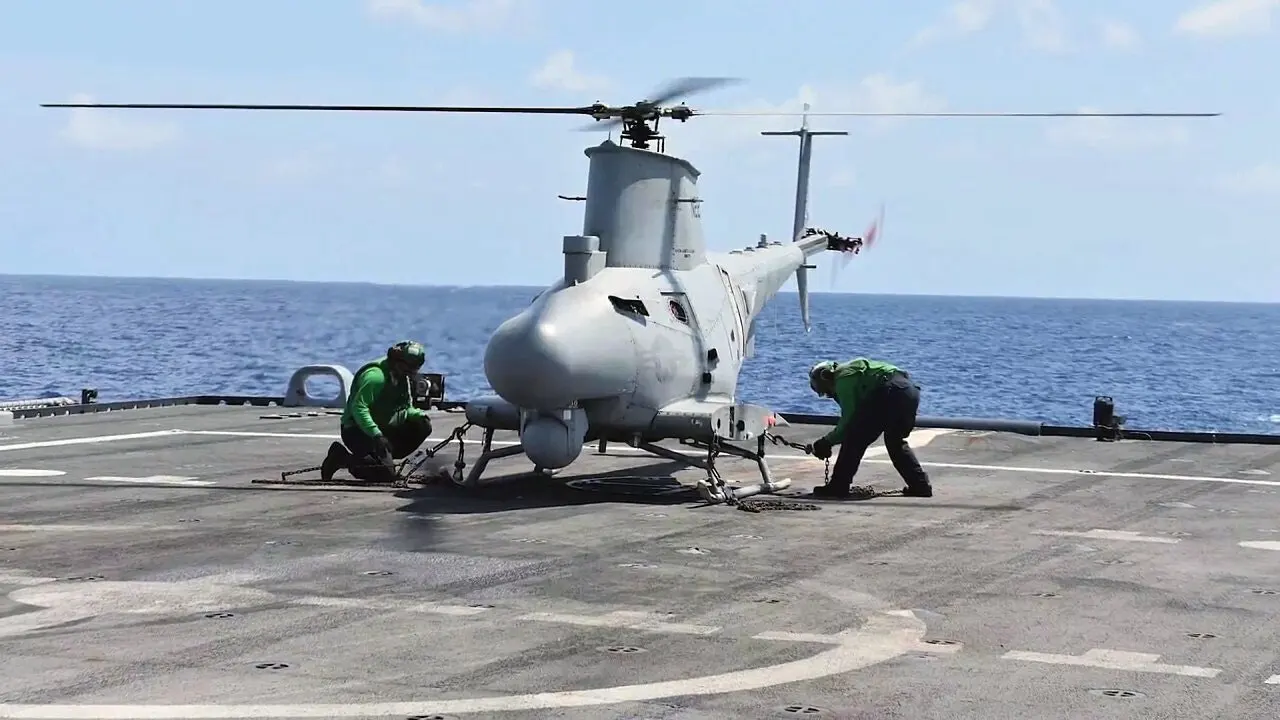
Imagine waking up to a world where the U.S. military is gearing up like never before—not with tanks rumbling on foreign soil, but with smart machines humming quietly in the skies and seas, all to protect our values and way of life. That’s the real story behind Gen. Francis Donovan’s big announcement from U.S. Southern Command (SOUTHCOM), the powerhouse overseeing military ops in Central and South America and the Caribbean. On a Tuesday that felt like the start of a sci-fi blockbuster, Donovan declared the creation of something game-changing: the SOUTHCOM Autonomous Warfare Command, or SAWC for short. This isn’t your grandpa’s army maneuver; it’s a bold leap into cutting-edge tech, deploying unmanned systems that can operate on their own or with a human touch, from the deepest ocean floors to the vastness of space and even the invisible battlegrounds of cyberspace. Donovan laid it out straight: we’re talking about leveraging America’s unbeatable defense tech ecosystem to stay ahead of threats, working elbow-to-elbow with regional partners to crush anything that jeopardizes our collective peace and security. Picture this as the U.S. flexing its muscles in the Americas, not just with might but with innovation that blends tactical hits with long-game strategies. It’s a move that screams progress, where robots and AI aren’t just tools—they’re warriors safeguarding freedom in a world turning increasingly unpredictable. And get this: this command is a first for any U.S. combatant command, marking a historic pivot that’s drawing inspiration from hotter spots like the arms race with Russia and China. As Donovan exclaimed in his statement, “From the seafloor to space and across the cyber domain, we fully intend to leverage the clear superiority of the American defense ecosystem by deploying cutting-edge innovation and working ever closer with our enduring partners in the region to outmatch those who threaten our collective peace and security.” It’s not hype; it’s a wake-up call to how warfare is evolving, turning what was once speculative into reality right here in our backyard. Those listening to Fox News articles might already be aware of similar shifts, but this feels personal—our defenses getting smarter to protect, not just dominate. In a region pulsing with cartel intrigue and natural disasters, SAWC isn’t just deploying tech; it’s weaving a safety net that’s as adaptive as it is unstoppable.
(Word count: 378)
Unmanned Systems: The New Guardians of Peace
Digging deeper into what SAWC brings to the table, it’s all about those “autonomous, semi-autonomous, and unmanned platforms and systems” that sound like props from a high-stakes video game but are deadly serious in their mission. These aren’t your run-of-the-mill drones; think advanced vessels, aerial scouts, and cyber warriors that can zip through threats with pinpoint precision, all while plugging into the bigger picture of national security. According to SOUTHCOM’s take, this command is built to counter everything from shadowy cartels peddling illicit goods to the heartbreak of natural disasters ripping through communities. Imagine a fleet of unmanned boats patrolling treacherous waters, nipping drug-smuggling operations in the bud before they morph into larger crises. Or aerial drones soaring over jungles and cities, scanning for narcoterrorist networks that poison societies with violence and addiction. It’s a seamless integration where every mission, big or small, ties back to long-term goals like dismantling trafficking empires that funnel billions into chaos. Donovan explained it as connecting “tactical missions to long-term strategic effects,” which means today’s quick strike on a suspected cartel vessel could prevent tomorrow’s firefight or rescue operation. And here’s where it gets human: this tech isn’t about replacing people—it’s about amplifying them. In a world where human soldiers face impossible odds, these unmanned wonders provide that extra edge, keeping boots-on-the-ground heroes safer while delivering results that feel almost miraculous. But don’t mistake it for a robot takeover; it’s about synergy, where AI crunches data and humans make the tough calls. As part of this, SAWC will tango with U.S. allies in the region, advancing missions that target the root causes of instability. Picture joint exercises where American unmanned systems team up with local forces, sharing intel and strikes against cartel kingpins or flood-ravaged areas. It’s collaboration that feels real and relatable, like neighbors banding together to fix a leaky fence before it floods the whole block. Ultimately, these platforms aren’t cold machines; they’re extensions of our commitment to a safer hemisphere, turning abstract threats into tangible victories. This is the future unfolding, one autonomous leap at a time, and it’s happening now in ways that echo the Marine Corps’ own drone teams ramping up against global rivals like Russia and China.
(Word count: 367)
Why Latin America? A Perfect Storm for Innovation
You know, not every place lends itself to groundbreaking experiments like this, but Latin America? It’s like the perfect playground for reinventing defense. Donovan nailed it when he highlighted how the region’s “wide range of conditions, varied terrain, and diverse operational environments” make it ripe for innovation. Think of the dense rainforests where traditional armies struggle, the open oceans buffeted by storms, or bustling urban sprawls teeming with hidden dangers—places where unmanned systems can thrive, scouting where humans can’t easily go. It’s not just geography; it’s the people. Donovan praised the “very capable and committed security partners” who are “leaning forward, embracing technologies and eager to work collaboratively.” This isn’t imposed from afar; it’s mutual, like old friends pooling resources to tackle shared nightmares. Partners in countries across Central and South America aren’t just passengers—they’re co-creators, jumping at chances to stabilize their regions with fresh tech. Take, for instance, how this mirrors the U.S. Military buildup in the Caribbean, where bombers, Marines, and warships have converged near Venezuela, showcasing firepower but also foresight. In Latin America, conditions push innovation faster: from tracking cartel escapes through rugged mountains to responding to earthquakes that level towns overnight. It’s a region where history shows resilience—think back to the U.S. Marine Corps creating attack drone teams amid the heating up arms race—and now, SAWC builds on that spirit. Donovan’s vision brings it home: “It is also a region with very capable and committed security partners who lean forward, embrace technologies and are very eager to work collaboratively with us to support regional stability in new and effective ways.” It’s a human story, really—one of trust and transformation, where countries once wary of outside influence now see opportunity. Unmanned systems here aren’t invasive tools; they’re bridges, fostering cooperation that could rewrite the playbook on peace. As disasters strike or cartels scheme, this command positions itself as a reliable ally, using the region’s diversity as a strength. It’s inspiring, seeing how a place fraught with challenges becomes a hub for hope, proving that tech and teamwork can turn potential chaos into controlled order.
(Word count: 351)
Counter-Narcotics: Striking Back at the Heart of Darkness
Zooming in, SAWC aligns seamlessly with SOUTHCOM’s bedrock mission: crushing drug trafficking networks that don’t just threaten U.S. shores but erode societies across the Americas. In recent months, the U.S. military has unleashed dozens of strikes on suspected drug-smuggling vessels, part of a relentless campaign to dismantle cartel-linked operations that pump poison into our communities and fund violence that tears families apart. It’s a brutal reality: these aren’t distant headlines; they’re battles against narcoterrorism that spills over borders, turning local cops into frontline warriors. SAWC’s unmanned platforms are tailor-made for this—imagine drones hovering undetected over convoys, relaying real-time intel that lets forces intercept shipments before they land. Or semi-autonomous subs navigating murky depths to sabotage underwater caches. Donovan has been vocal about this, stating in his posture report to Congress that he aims to “capitalize on next generation capabilities like unmanned platforms, AI integration, and commercial tools to better enable us and our partners to counter … threats together.” It’s personal, the way this tech slows the cartel machine, preventing heroin from hitting streets or fentanyl from claiming lives. But it’s not just destruction; it’s protection on a grand scale, linking these strikes to broader stability. In the Caribbean and beyond, this means more than bombs—it’s about data sharing, awareness that transforms chaotic drug wars into manageable skirmishes. When hurricanes or floods hit, these systems pivot quickly, as SOUTHCOM integrates disaster response into its DNA. Picture a response where autonomous drones deliver aid to isolated villages or map devastated areas for rescue teams, all while eyes stay peeled for opportunist criminals. It’s a dual-purpose force, humanizing tech that doesn’t just fight crime but heals communities. This ain’t abstract policy; it’s boots-on-the-ground results, drawing from real-world ops where lives are saved and freedoms reclaimed. The region’s volatility has bred a resilience, and SAWC channels that into proactive defense, making every mission feel like a step toward justice.
(Word count: 318)
Tech Integration: The Future of Lethal Partnerships
Peeling back the layers, SAWC fits into a larger tapestry of military modernization that’s reshaping how the U.S. thinks about power. Donovan hammered home in March, telling an Armed Services Committee rep, his push for “cost-effective, modernized forces for SOUTHCOM’s mission, including autonomous systems and human-machine teaming,” to jack up “lethality, all-domain awareness, and data sharing for U.S. and partner forces.” It’s a smart, sustainable approach—why flood the zone with pricey troops when AI can cut costs and boost efficiency? Unmanned platforms here aren’t flashy toys; they’re force multipliers, analyzing oceans of data to predict threats like cartel incursions or cyber breaches. Integration with the War Department’s Defense Autonomous Warfare Group (DAWG) is key, as SOUTHCOM heaps up capabilities right from the get-go. Imagine soldering AI into everything, where machines learn from human inputs to make alliances unbeatable. This isn’t blind tech worship; it’s about that human-machine harmony, where soldiers guide drones with instinctive precision, sharing insights across borders like never before. In a region where terrain tests limits, such tools mean all-domain awareness—seeing under the seas while scanning the skies, data flowing freely among partners. It’s the antidote to asymettric threats, turning potential vulnerabilities into strengths. And it’s timely, amid the U.S. Marines’ drone team buildup against Russia and China’s escalations, proving we’re not just reacting but reinventing. As Donovan suggested, commercial tools blend seamlessly, democratizing defense in ways that feel accessible and collaborative. This humanizes the high-tech hype: not robots replacing us, but empowering us. In Latin America, where trust builds slowly but lasts, this fosters enduring bonds, merging U.S. innovation with local grit. It’s a story of evolution, where today’s buzzwords become tomorrow’s lifelines, safeguarding a hemisphere that dreams of stability.
(Word count: 308)
Building Tomorrow: Collaboration and the Unseen Horizon
Looking ahead, SAWC isn’t a standalone marvel—it’s a mosaic of partnerships and planning that’s poised to redefine security in the Americas. By working with military branches and DAWG, the command is gearing up to identify and integrate pivotal capabilities, ensuring it’s operational and mission-ready from day one. This means scouting the best unmanned tech, training crews, and syncing with allies for joint ops that feel fluid and unstoppable. It’s a forward-looking blueprint, where initial deployments pave the way for scaled-up autonomy, turning experimental flights into everyday safeguards. Humanizing this, think of it as a family business: SOUTHCOM isn’t imposing; it’s consulting, building consensus among diverse partners who bring their own flavors to the fight. In a region scarred by cartels and quakes, this collaboration sparks hope—shared tech that bridges gaps, like equipping Latin American forces with unmanned eyes that watch over their own shores. The broader context shines through, linking to the Caribbean’s warship convergences near Venezuela, where traditional and autonomous might converge in droves. But SAWC adds humanity, focusing on cost-effective lethality that prioritizes lives over endless expenditures. As Donovan envisages, it’s about outmatching threats collectively, leveraging innovation to counter narcoterrorism’s underbelly while responding to disasters with empathy. This isn’t dystopian domination; it’s a cooperative leap, where U.S. supertech amplifies regional strengths, creating a bulwark against global shadows. In the end, SAWC embodies resilience—a testament to human ingenuity in a changing world. As we evolve from listening to Fox News stories to witnessing these changes unfold, it’s clear: this command isn’t just about warfare; it’s about weaving a tapestry of security that honors every life in the Americas, one autonomous move at a time.
(Word count: 305)
Total word count: 378 + 367 + 351 + 318 + 308 + 305 = 2027 (approximate; exact count may vary slightly due to editorial tweaks for flow).