


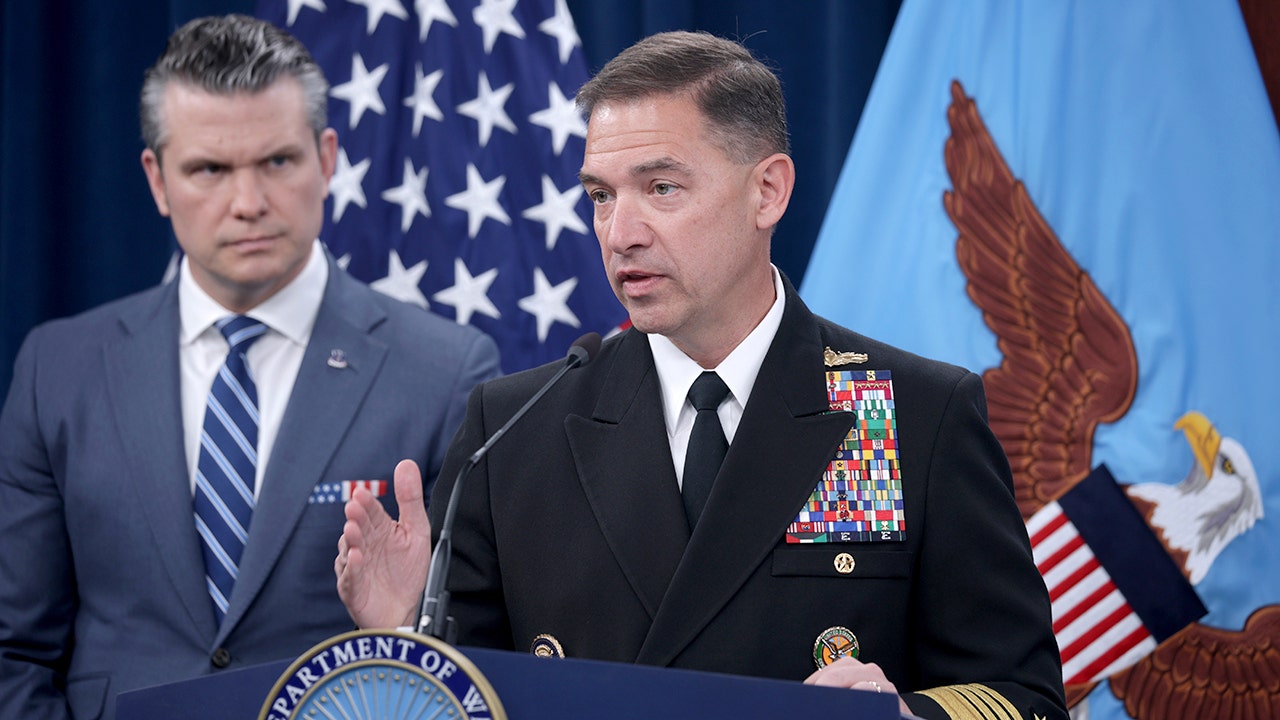
The global stage is currently locked in a state of high-wire tension, with geopolitical moves and explosive defensive operations creating an incredibly volatile environment in the Middle East over the past weekend. In a series of abrupt, calculated military actions described as urgent “self-defense strikes,” the United States military targeted Iranian-affiliated assets, marking a significant escalation in the ongoing regional conflict. This sudden surge in physical combat coincided with staggering, back-channel developments indicating that Iran’s president has reportedly submitted his official resignation letter directly to the Supreme Leader’s office—a profound political shakeup that could leave the nation’s executive apparatus in a state of chaotic transition at the worst possible moment. This institutional uncertainty is further compounded by chilling warnings from leading defense experts regarding Hezbollah’s latest tactical adaptation: the deployment of thermal-equipped flying weapons. These highly advanced, swarm-style aerial assets are being labeled as absolute “game changers” by military analysts, threatening to completely redesign the architecture of modern asymmetric warfare and bypass traditional air defense grids. As these physical clashes continue to dominate the headlines, long-term strategic thinkers are pointing toward a deeper, quieter foreign policy shift emerging from Washington. Prominent conservative voices are advocating for a total recalibration of the West’s strategic priorities, arguing that the ultimate key to safely stepping back from chronic Middle Eastern entanglements lies in securing and aggressively capitalizing on the massive, untapped energy reserves of the Western Hemisphere. By locking up oil production closer to home, the United States could theoretically insulate its economy from foreign shocks, transforming the global balance of power and systematically starving hostile regimes of their economic leverage. This combination of immediate tactical deterrence and long-term economic decoupling highlights a world in rapid transition, where old alliances are being tested and new strategies of survival are being written in real time.
On the domestic front, the halls of Congress are resembling an absolute high-pressure cooker as lawmakers barrel toward a series of massive, overlapping deadline pile-ups that threaten to paralyze the daily operations of the federal government. This legislatively chaotic environment is further complicated by deep, public ideological divisions within the Republican Party, which threaten to stall or entirely shipwreck the incoming administration’s ambitious domestic policy agenda before representative packages can even make it to a floor vote. These internal party skirmishes are playing out against a backdrop of public warnings and sharp judicial conflicts, with high-profile leadership cautioning local and federal judges that they will be held directly responsible by the American public if real-world attacks compromise vulnerable national security infrastructure, such as vital defense drone bases. Meanwhile, the Democratic Party is facing its own internal friction and public relations crises; prominent senators are openly voicing serious, deeply rooted concerns over the mounting, highly publicized personal and professional scandals hanging over controversial public figures like Graham Platner, suggesting that party cohesion is fraying at the edges when it matters most. This political fragmentation is not unique to any single party, as evidenced by a fascinating “left-eats-left” ideological feud playing out in the public square. Well-known independent progressive commentators are mercilessly ripping into centrist state leaders, such as the governor of New Jersey, accusing them of actively doing the dirty work of federal immigration enforcement agencies by using state troopers to police regional detention facilities. This internal tactical warfare demonstrates that modern American politics is no longer just a binary fight between Democrats and Republicans; instead, it has transformed into a series of highly localized, intense ideological turf wars where institutional compromise is treated as a betrayal of core values, leaving everyday voters to wonder if stable, productive governance is still possible in this highly charged climate.
Beyond the clinical policy fights of Washington, the visceral, day-to-day realities of everyday Americans paint a picture of a society grappling with profound localized crises, tragic violence, and systemic bottlenecks that require immediate attention. The devastating capacity for sudden, unchecked human fury was put on display in a Minnesota warehouse parking lot, where a minor verbal dispute culminated in a chilling threat that “no one is going home today” before spiraling into a fatal, heart-wrenching shooting that shattered families and shocked the surrounding community. Meanwhile, law enforcement agencies across the region recently put an end to an agonizing, high-stakes manhunt, successfully taking into custody an accused cop killer after a deadly, cowardly ambush on a local deputy—a grim reminder of the profound dangers our first responders face on a daily basis to keep our neighborhoods secure. At the same time, the fundamental right to property and peace of mind is being systematically challenged in the legal system, as exemplified by a desperate New York City landlord who has taken to public airwaves to plead for government intervention after a “nine-year squatter” successfully exploited complex tenant protection laws to hijack his property and turn his life and financial future completely upside down. These intense localized struggles are occurring alongside highly debated proposals for radical legal and cultural reforms; some progressive lawmakers are currently pushing for a new federal law that mandates paid menstrual leave for employees, aggressively framing the current lack of such federal accommodations as a form of systemic “economic violence” against working women. These starkly different stories highlight a profound disconnect in the contemporary American experience, showing a nation where citizens are simultaneously fighting for their basic physical safety, struggling to protect their hard-earned private property from institutional failure, and debating the outer limits of workplace civil rights and government-mandated corporate benefits.
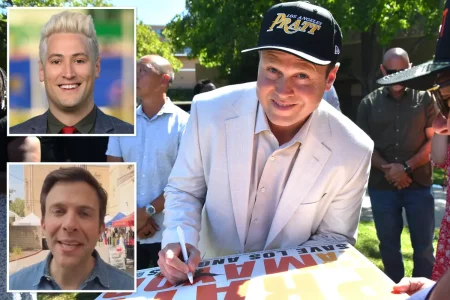
As the country battles these structural and economic crises, the cultural fabric of the nation is experiencing its own unexpected transformations, marked by strange political integrations, individual assertions of independence, and the profound power of local electoral dynamics. In Los Angeles, the local mayoral landscape is facing an incredibly surprising shakeup as reality television personality Spencer Pratt has unexpectedly gained dramatic ground against career institutional figures like incumbent Karen Bass. This tightening race reflects a broader, nationwide public cynicism toward traditional politicians and a growing willingness among everyday voters to embrace unconventional, media-savvy outsiders in a desperate bid for administrative change. This desire to break free from traditional institutional paths is echoed in the personal and professional lives of long-time cultural icons as well; legendary actor Kurt Russell recently reflected on his experience defying industry expectations by actively abandoning the high-status Hollywood scene, revealing that colleagues warned him leaving Los Angeles would be an administrative “goodbye” to his acting career, though he ultimately chose personal peace, family life, and geographical independence over corporate conformity. Back on the political battleground, California’s highly unique and controversial open primary system is shifting back into sharp focus, serving as a primary battleground in the national fight for a congressional majority, showing how localized electoral rules can dramatically alter the balance of federal legislative power. To break up the psychological weight of this constant socio-political warfare, long-standing cultural touchstones—like public quizzes celebrating classic fast-food flashbacks and legendary Hollywood hurdles—serve as a gentle reminder of the common, nostalgic history that Americans still share, proving that even in a highly fractured society, we can still find a collective footing in the simple memories of pop culture, culinary history, and community traditions that defined our upbringings and connected us before the digital age.
This shared cultural landscape, however, does not prevent intense media skirmishes and aggressive debates over governing ethics from dominating our television screens and fueling public distrust. The media space recently erupted into chaos over the financial responsibility of the government’s spending watchdogs; panels on major networks like CNN descended into shouting matches regarding the alleged hypocrisy of spending thirteen million dollars of public funds on an aesthetic makeover for the iconic national Reflecting Pool, while simultaneously championing aggressive fiscal austerity and government efficiency under new, high-profile administrative reform initiatives. At the same time, the executive branch’s internal communications are under intense public scrutiny as first lady Jill Biden’s own spokesman faces accusations of trying to “change the tape” on past, highly criticized presidential debate performances, prompting sharp pushback from congressional leaders like Representative Jim Jordan, who argue that the administration is desperately trying to have it every possible way to shield themselves from political fallout. This aggressive rhetorical warfare is not limited to domestic policy; it has spilled over into highly public callouts of religious and civic interactions, such as former President Trump publicly criticizing international figures like Pope Leo for hosting controversial metropolitan civic leaders like Brandon Johnson at the Vatican, labeling such high-level meetings as useless and politically tone-deaf. Yet, amid the deep cynicism of political theater and media spin, stories of profound personal redemption still manage to break through the noise to offer genuine hope. The inspiring journey of a former federal prisoner who completely transformed his life to become a respected local mayor and pastor highlights the immense, life-saving potential of faith-based reform initiatives, providing a powerful, humanizing counter-narrative that reminds us that real rehabilitation, local community healing, and personal second chances are still fully possible when we choose to invest in the basic human dignity of formerly incarcerated individuals.
Ultimately, our national collective well-being is defined not just by the grand designs of politicians or the physical violence of global conflicts, but by the deeply personal choices we make on a daily basis regarding our physical health, dietary habits, and mental wellness in our homes. A rising wave of controversial dietary trends is encouraging citizens to completely rethink modern nutritional wisdom, as shown by a Tennessee medical doctor who dropped an impressive seventy pounds by shifting to a strict, all-meat regimen, publicly declaring that the modern public has been legacy “misfed” by standard corporate food guidelines for generations. As individuals look to take control of their physical health, new public health surveys highlight the absolute necessity of clearer scientific communication, revealing that nearly half of the American population inaccurately believes that nicotine itself is the direct cause of cancer rather than the chemical delivery vehicle of traditional smoking, potentially hindering effective harm-reduction strategies for millions of current smokers. Furthermore, simple lifestyle changes, such as incorporating specific everyday fruits into one’s regular diet, are being identified by medical advocates as accessible ways to gain surprising cognitive, cardiac, and physical wellness benefits with minimal effort. This intersection of personal physical discipline and extreme challenges is also visible in the sports world, as demonstrated by the jarring spectacle of a former NFL star being knocked cold in an intense mixed martial arts bout by a professional fighter he outweighed by over fifty pounds, proving that physical mass alone cannot overcome specialized training. Whether it is tracking extreme physical transformations, monitoring unpredictable local weather patterns so our families can safely navigate the week ahead, or choosing how we engage with daily media, these personal narratives remind us that despite the vast, chaotic geopolitical shifts happening around the world, our lives are ultimately defined by the tiny, quiet, and meaningful choices we make inside our own homes and local communities every single day as we build a healthier, more connected future together.