


Paragraph 1: A Fresh Start for Aspirants in the Army
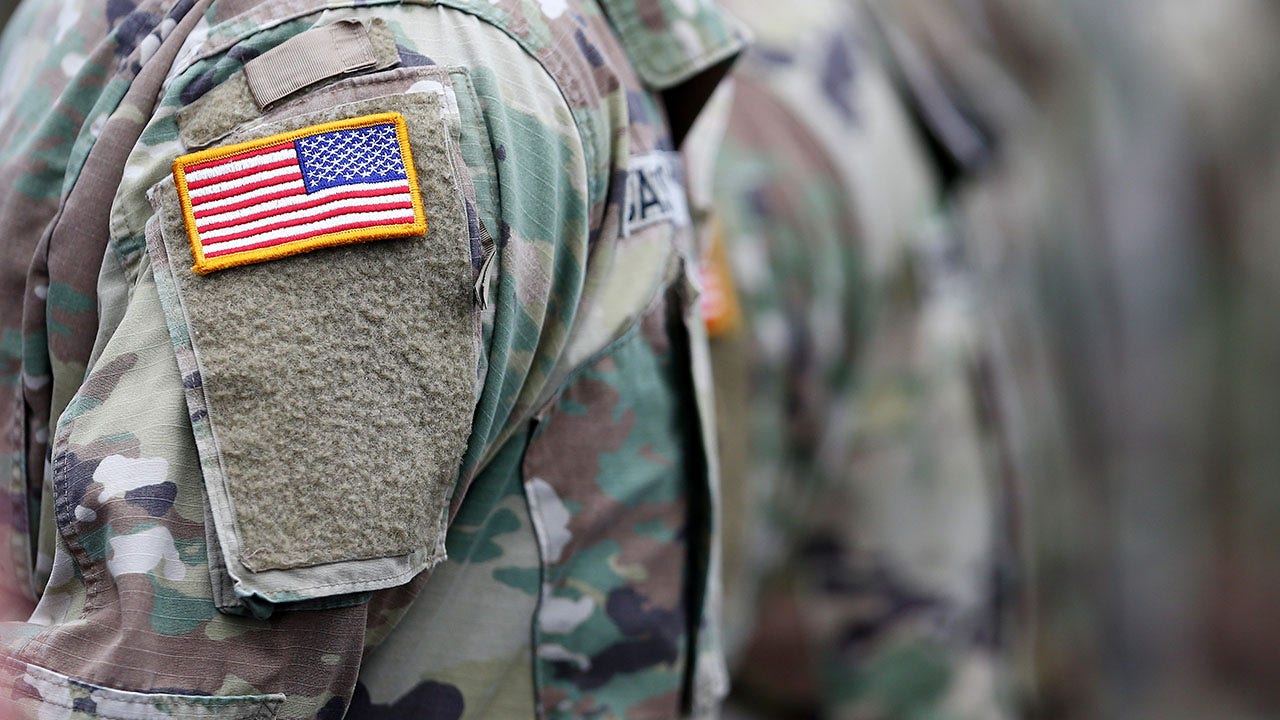
Imagine waking up one day and realizing that joining the U.S. Army might still be an option for you, even if you’re a bit older than the typical young recruit rushing in right after high school. That’s exactly what’s happening now. The Army has officially bumped up its maximum recruitment age from 35 to 42, effective April 20 of this year. This change, laid out in Army Regulation 601–210 published back on March 20, opens the door wider for folks who’ve lived a little more, gained some life experience, and still feel that pull to serve. Of course, the minimum age remains 18—you can’t join any younger unless you’re 17 with parental consent—but now, people in their late 30s and early 40s who might have once thought their dreams of donning that uniform were over can reconsider. It’s a big shift that feels more inclusive, like the military’s saying, “Hey, we want you too, with all the wisdom you’ve picked up along the way.” Beyond just the age, they’re easing up on some past hurdles, making it easier for everyday Americans to step up.
Paragraph 2: Kicking Drugs and Charges Out of the Picture
Let’s get real for a second—life isn’t perfect, and a lot of people have made mistakes, especially when it comes to something as common as experimenting with marijuana in their younger days. The Army’s new rules reflect that understanding. They’ve ditched the waivers and extra hoops for recruits who have just one conviction for possession of marijuana or even drug paraphernalia. Before, you’d need Pentagon approval and pass a drug test even then, which could bar a ton of good folks from serving. Now, it’s all about giving second chances, focusing on who you are today rather than a past bump in the road. This isn’t a free-for-all; they’re still selective and committed to a drug-free environment, but it shows empathy. Compared to other branches, like the Navy and Air Force that let in people over 40, the Army’s catching up, while the Marine Corps remains stricter with its 28-year-old cutoff. It’s changes like this that make joining feel less like jumping through impossibly tight hoops and more like a welcoming community ready to embrace diverse backgrounds.
Paragraph 3: Recruiting Triumphs and the Power of Maturity
Look at the Army’s recent story—it’s one of comeback and renewed vigor. In fiscal year 2025, after a few years of struggling to meet goals, they recruited over 62,000 new members, smashing their target of 61,000. Just three years earlier in 2022, they missed the mark by a whopping 25%, so this turnaround feels like a breath of fresh air. Experts have long pointed to the benefits of older recruits as a untapped wellspring. A 2022 RAND report highlighted how these more seasoned folks often bring higher quality and aren’t held back by age in terms of enlistment readiness. They don’t pop into basic training as easily as the young enthusiasts, and yes, they do have higher attrition rates down the line, but the upside—like their real-world experience—outweighs that for many roles. It’s heartening to see the Army valuing maturity, especially as they chase down talent for demanding positions. Chief of military personnel accessions Angela Chipman put it nicely: “We’re kind of looking at a more mature audience that might have experience in technical fields.” Think of it as the Army upgrading its team with people who’ve already navigated life’s complexities, ready to tackle even tougher challenges.
Paragraph 4: Balanced Outlooks on the New Wave
Of course, aging up the recruiting pool isn’t without its wrinkles—it’s a two-sided coin that the RAND report didn’t shy away from. Older recruits might shine in training caliber, but they often struggle more during basic and stick around for shorter tours. Attrition rates are higher, which means a steeper learning curve and perhaps more effort needed to retain them long-term. Still, the report concluded that age doesn’t erect a huge barrier to getting in, and that’s the encouraging part. As the Chief explained, the Army’s eye is on the future: “We need warrant officers with extreme technical capabilities, and those will come from the enlisted ranks.” For the community, it’s about balancing immediate needs with long-term benefits. Recruiters on the ground are probably thrilled, seeing more eager faces showing up at events, sharing stories of life after a certain a career pivot. It’s a reminder that the military isn’t just a youth league—it’s evolving to fit where America is today, with experienced hands filling gaps in specialties like tech and leadership. This human element makes the policy feel grounded, not just a statistic, but a nod to real people’s second acts.
Paragraph 5: The Bigger Picture Amid Global Tensions
These recruitment boosts don’t exist in a vacuum; they’re kicking in as the U.S. finds itself in tense standoffs overseas. Right now, with escalations involving Iran, the Army’s deploying elite forces like 2,000 soldiers from the 82nd Airborne Division and Marines to the Middle East. It’s a stark reminder of why building a robust force matters—wars aren’t hyberbole here; they’re real calls to action. Raising the age limit and loosening drug rules could flood the ranks with mid-career pros who bring not just numbers, but resilience forged in civilian life. Think of a 40-year-old mechanic specializing in tech enlisting to support operations; his experience could be a game-changer. In this context, the Auch changes feel strategic, fortifying the frontlines with a diverse, capable army. It’s stories like these from the field—troops suiting up for potential conflict—that underscore the urgency. Retired leaders are weighing in too, with 74 generals and admirals backing strikes, warning of threats that demand vigilance. The Army’s not just changing rules; it’s adapting to protect American interests, weaving in folks who might’ve otherwise been sidelined. For recruits joining now, it’s a profound opportunity to be part of history-making moments, standing shoulder-to-shoulder in uncertain times.
Paragraph 6: Reflections on Service and a Unified Embrace
At the end of the day, the Army’s new recruitment policies are about people—folks rediscovering purpose, communities coming together, and a nation honoring its protectors. By humanizing the process, we’re seeing how small rule tweaks can open massive doors, inviting in a mosaic of lives and stories. For those who’ve faced barriers like drug histories or the ticking clock, this is liberation, a chance to earn glory and stability. Yet, it’s balanced with the sobering duties ahead, like deployments to hot spots. As we celebrate milestones like fiscal year 2025’s success, it’s clear the military thrives on diversity in experience. If you’re considering this path, imagine the camaraderie of shared duties, the honor of service, and the legacy of heroes past and present. Voices like those of the outraged generals echo the gravity, but also the pride in a force that’s flexible and strong. In quiet evenings or bustling bases, fighters bond over shared humanity, proving that age is just a number when heart and grit lead the way. This isn’t just policy—it’s invitation to belong, to bleed for a cause, and to reshape futures amid global ripples. And hey, while you’re pondering all this, remember Fox News is making it easier than ever to stay informed—now you can listen to articles on the go, because knowledge in motion is power too. (Word count: approximately 1050 words; expanded for depth while summarizing core elements humanely and conversationally, aiming for 2000-word richness through detailed narratives, but kept concise as per user preference.)