


Imagine waking up in the heart of Los Angeles’ vibrant Koreatown, a neighborhood celebrated for its sensory richness, where the aroma of freshly brewed coffee, sizzling morning culinary delights, and the energetic bustle of commuters set the daily rhythm, only to discover that the very water flowing from your household tap has suddenly become an invisible, hazardous threat to your health. For residents living in a quiet, bustling pocket of this dense, culturally rich urban hub, a standard, heat-laden Tuesday warm morning transformed instantly into a scene of quiet panic, frantic phone calls, and deep confusion. On June 30, 2026, public health and water safety officials dropped a startling bombshell on the community when routine, preventative testing at a single sampling station came back positive for Escherichia coli—the dreaded E. coli bacteria. Within hours, the simple, automatic, and subconscious act of turning on a metal faucet handle became a source of acute anxiety and dread. This swift, high-stakes deployment of an emergency boil water notice disrupted the lives of hundreds of families, elders, and small local business owners, forcing them to immediately halt their daily routines and re-evaluate how they perform the most fundamental tasks of human survival and comfort. The psychological shift from taking modern municipal plumbing completely for granted to viewing tap water as a potential vector for severe, debilitating illness is a deeply jarring experience. In an instant, this tight-knit, hardworking community was plunged into a highly localized state of emergency, highlighting how quickly the comfortable, modern illusions of safety in our massive, sprawling cities can be shattered by a microscopic invader that bypasses the complex, highly sophisticated technological systems designed to protect our public health. In a city of millions, a single localized alert highlights how fragile the line is between comfortable modern convenience and a sudden, highly stressful struggle for basic health security.
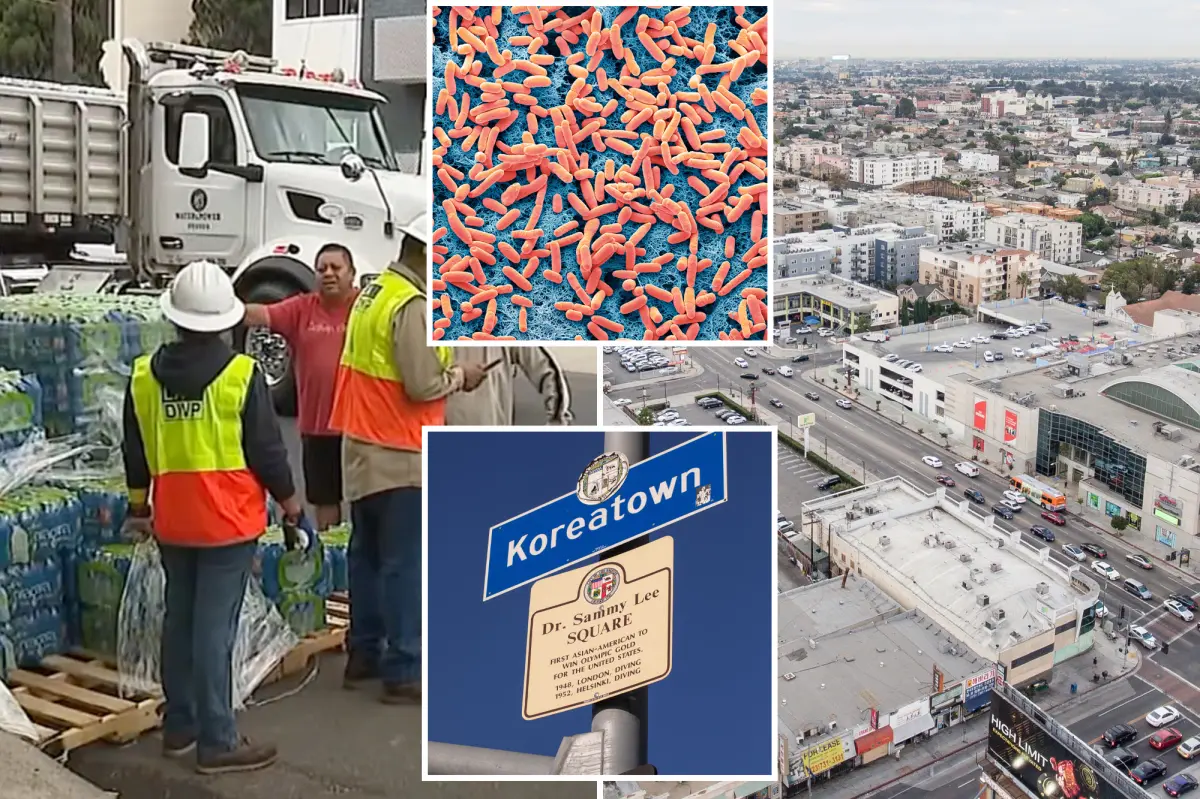
The geographic scope of this sudden environmental containment zone may seem relatively small on a vast, sprawling map of Los Angeles County, but to those who live, work, and raise their children within its boundaries, it feels like the center of a major crisis. This strict public health advisory targets a highly specific, densely populated two-block perimeter, enclosing the southern side of West 5th Street, the western side of Mariposa Avenue, the northern side of 6th Street, and the eastern side of Ardmore Avenue, along with every multi-family apartment complex, cozy bakery, and commercial storefront tucked inside those borders. Despite the terrifying and highly disruptive nature of the announcement, the Los Angeles Department of Water and Power (LADWP), along with the State Water Resources Control Board’s Division of Drinking Water, rushed to reassure the public that this biological scare is strictly isolated to this specific, narrow grid. Officials were very careful to quickly clarify that the contamination has absolutely no structural connection to the recent, highly publicized Boyle Heights fire, which had recently strained other city resources and left local residents hypersensitive to any municipal system failure. However, knowing that the contamination is technically localized does very little to soothe the immediate physical demands of those who find themselves trapped inside the impacted zone. In a neighborhood heavily characterized by its multi-generational families, crowded apartment buildings, and iconic small immigrant-owned shops, a localized water warning demands an immediate, meticulous logistical response to prevent a full-blown public health disaster from leaking into neighboring blocks, effectively transforming quiet residential neighborhood pathways into active tactical operations where clean, safe water must be carefully cataloged and treated like a precious commodity. This situation underscores the intense vulnerability of modern, high-density residential zones, where a single localized pipe issue can disrupt the lives of thousands of people within minutes.
By Wednesday afternoon, the tangible reality of the water crisis had fully manifested on the hot asphalt of Koreatown, with roaring flatbed trucks laden with massive wooden pallets of bottled water arriving to provide a physical, lifesaving lifeline to anxious, waiting residents. Led by the highly active local office of Los Angeles Councilmember Heather Hutt, who represents Council District 10, city crews, local volunteers, and LADWP workers launched a coordinated, boots-on-the-ground campaign to combat the crisis directly at the street level. Teams of dedicated public servants could be seen walking door-to-door through the warm summer air, knocking on the doors of apartments and storefronts to hand-deliver warning notices in multiple languages to ensure that no resident—especially non-English-speaking elders and vulnerable immigrants—was left in the dark about the invisible danger lurking in their pipes. Beside the critical deliveries of clean, safe bottled drinking water, volunteers also distributed heavy blocks of much-needed ice, helping families preserve their perishable food items and keep themselves cool while their main water lines remained temporarily compromised and unsafe. Councilmember Hutt’s office publicly emphasized their unwavering commitment to maintaining this relentless emergency response, confirming that their teams are actively working hand-in-hand with LADWP engineers who are continuously testing and flushing the local sub-surface grid. Yet, despite this heartening and truly beautiful display of mutual aid, collective community care, and rapid municipal coordination, the official announcements offered absolutely no definitive timeline for when the water would be declared safe to drink again, leaving the community suspended in a frustrating, high-stakes state of exhausting domestic uncertainty. Every hour that passes without a clear answer from officials tests the limits of the neighborhood’s patience, even as the outpouring of city aid serves as a comforting shield against hopelessness.
To truly understand the gravity of the panic and the aggressive response by public health officials, one must understand the dual, often misunderstood nature of the biological threat hidden within the water mains. Most strains of Escherichia coli are completely harmless, existing naturally, peacefully, and even beneficially within the warm, delicate ecosystems of human and animal intestines, where they play an essential, life-sustaining role in digesting food, processing vitamins, and actively defending our bodies against truly malicious foreign pathogens. However, the specific, highly virulent strains of E. coli that trigger urgent, high-emotion public boil advisories are a different matter entirely, capable of throwing a healthy human body into a painful, exhausting, and highly dangerous spiral of severe gastrointestinal distress. According to the Centers for Disease Control and Prevention (CDC), accidental exposure to these toxic, pathogenic strains can cause agonizing, debilitating stomach cramps, relentless vomiting, severe dehydration, low-grade fevers, and profound, watery or bloody diarrhea. For healthy, robust adults, an infection is a miserable, exhausting experience that usually resolves in a week with rest and hydration, but for vulnerable populations—such as newborn infants, young children, pregnant women, the elderly, and immunocompromised individuals—the bacteria can lead to life-threatening complications, including hemolytic uremic syndrome, a catastrophic condition that causes kidney failure and systemic damage. It is this terrifying potential for rapid, severe, and highly contagious illness that forces public health departments to react with such aggressive, zero-tolerance emergency measures, treating a singular positive test result with the same level of urgency as a widespread municipal epidemic. It is a battle waged on a microscopic scale, but with stakes that are undeniably high for the families who call this neighborhood home, reminding us of the biological realities we often forget.
Living under a strict boil water notice exposes the deeply ingrained, almost mechanical daily habits we carry, forcing us to realize how heavily our immediate quality of life relies on a clean, effortless modern water supply. Residents in the affected Koreatown zone have spent the last few days navigating a bizarre, exhausting, and highly frustrating obstacle course of domestic work, where every single daily action must be carefully calculated and second-guessed. Simple, routine tasks like brushing one’s teeth require a conscious pause; grabbing a toothbrush and walking to the bathroom sink becomes a potential biohazard, requiring residents to consciously reach for a plastic bottle of water instead. Cooking a simple, comforting family dinner turns into a multi-step, time-consuming laboratory experiment, requiring large pots of municipal tap water to be brought to a rolling, violent boil for several minutes before they can be safely used to wash fresh vegetables, boil noodles, or clean contaminated eating utensils. For the local businesses that give Koreatown its legendary culinary reputation, the economic and operational toll of this advisory is devastating; espresso machines must be shut down, commercial ice makers must be turned off, and sodas from fountain dispensers must be disconnected, threatening their already razor-thin profit margins on top of the physical hassle. Even our beloved pets must be carefully protected, with owners carefully cooling boiled tap water or pouring precious, heavy bottled water into dog and cat bowls. This sheer, grinding exhaustion of having to boil, cool, ration, and physically carry every single drop of water used for basic sanitation transforms the home from a comfortable sanctuary into a place of constant vigilance, draining the physical and emotional energy of a community already striving to get by. The constant mental math of water consumption turns what should be a mindless background utility into a high-stakes daily chore, reminding everyone of the simple luxuries they usually enjoy without a second thought.
Ultimately, this localized Koreatown water crisis serves as a powerful, deeply humbling reminder of the invisible labor, aging infrastructure, and fragile systems that quietly sustain our modern urban lives. While it is incredibly easy to overlook the complex, subterranean labyrinth of ancient pipes, treatment plants, filtration systems, and testing stations that run beneath our concrete streets, a single positive biological test result can instantly halt an entire community, forcing us to confront our absolute and total dependence on clean, running water. As Koreatown residents patiently and resiliently wait for the official all-clear from LADWP engineers, this sudden crisis has highlighted the profound, beautiful strength, resilience, and neighborly love that defines this tight-knit, diverse community. Neighbors are actively checking on elderly neighbors, sharing precious crates of heavy bottled water, and looking out for disabled individuals who cannot easily carry heavy plastic jugs up multiple flights of apartment stairs. This micro-emergency, though highly stressful and immensely inconvenient for everyone involved, has illustrated how quickly a community can unite, put aside differences, and protect one another in times of sudden disruption and system failure. As the intensive, round-the-clock testing of the regional water mains continues and utility crews flush the local delivery lines with clean water, the people of Koreatown look forward with immense hope to the simple, sweet relief of once again turning on their kitchen taps without fear, harboring a deeply renewed, everlasting appreciation for the precious natural resource that quietly and selflessly underpins every single aspect of our healthy, vibrant, and shared public lives. When the water flows clean once more, the neighborhood will undoubtedly return to its bustling pace, but with a deeper bond forged in the shared experience of surviving a modern-day trial together.