


Scholars at University of Illinois Advocate for Reparations: Understanding the Historical Context and Contemporary Dialogue
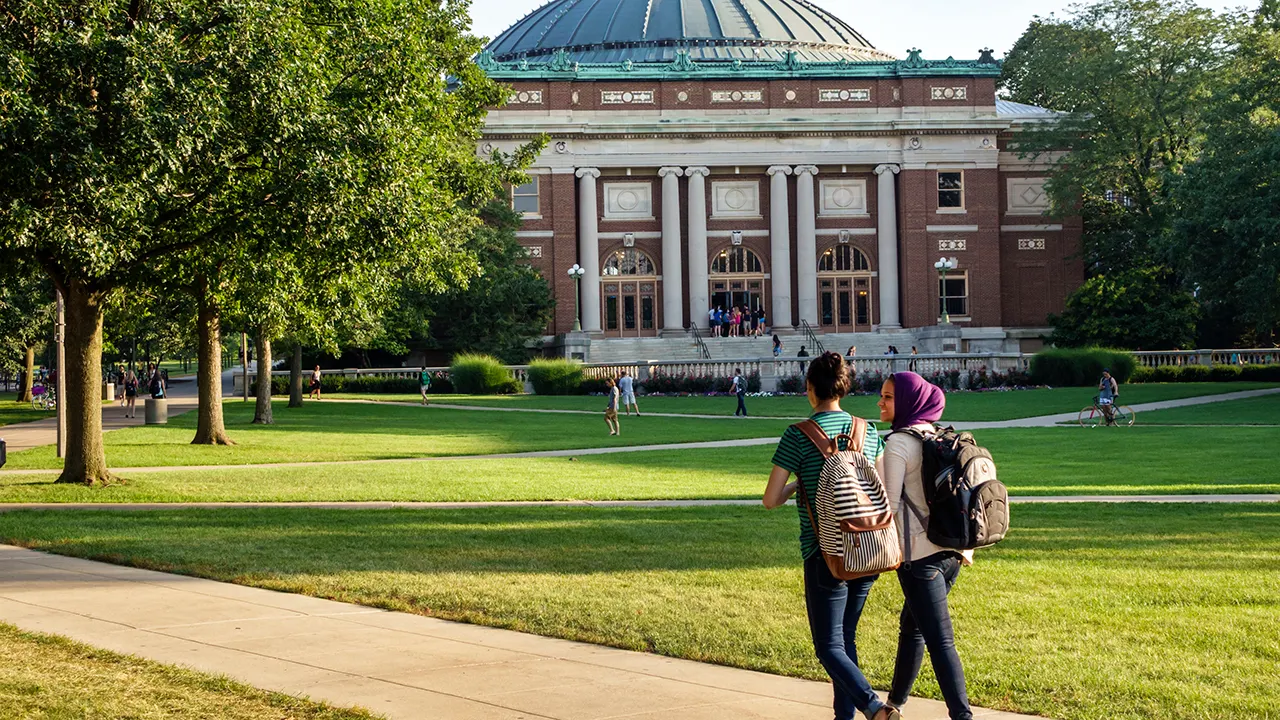
In October, the University of Illinois Urbana-Champaign hosted a significant meeting of the state-supported African Descent-Citizens Reparations Commission, where three university affiliates presented compelling arguments for reparations for African Americans. Professor Sundiata Keita Cha-Jua, Professor LaKisha David, and doctoral student Naomi Simmons-Thorne offered historical, philosophical, and research-based perspectives on this complex issue. The commission, established by the Illinois General Assembly, serves the important function of studying reparations possibilities and developing recommendations to address long-standing inequities affecting descendants of enslaved people in America. Their findings and proposals are directly reported to the state legislature, making this academic discussion potentially influential in shaping future policy decisions in Illinois.
Professor Cha-Jua framed the reparations discussion through a historical labor lens, emphasizing that African Americans have experienced not only the general labor exploitation common under capitalism but also what he termed “super-exploitation” and “racial terrorism” following emancipation. He traced the predominant occupational experiences of Black Americans through history—from enslaved persons to sharecroppers, domestic workers, and contemporary laborers in precarious, low-wage positions without union protection or benefits. Rather than focusing on individual payments, Cha-Jua advocated for “collective reparations” that would benefit entire communities and the African American population as a whole. His perspective frames African Americans as “a nationality that simply does not have a state,” suggesting that reparations should address this collective historical injury rather than merely compensating individuals.
Doctoral student Naomi Simmons-Thorne approached the subject from a philosophical standpoint, rooting reparations in the concept of “rectificatory justice,” which she described as being “at the heart of the reparations movement.” She pushed back against claims that reparations are merely a modern political concept derived from Critical Race Theory or diversity initiatives, noting that philosophers as far back as the fourth century BCE discussed this form of justice. As part of her contribution to an Urbana-Champaign reparations committee, Simmons-Thorne created a survey to gather data on public understanding of historical reparations precedents, such as those implemented in Evanston, Illinois, and Rosewood, Florida. Her preliminary findings from 61 respondents indicated that educational institutions are not adequately teaching about these precedents, and that respondents desired both financial compensation and guarantees against the repetition of historical injustices.
Professor LaKisha David brought a unique perspective focused on genealogical repair as a form of reparations. As the head of The African Kinship Reunion (TAKiR), she leads efforts to help African American families trace their ancestry through DNA analysis via the Illinois Family Roots Pilot Program. David emphasized the psychological dimensions of reparations, noting that African Americans “have the right to respond to trauma” in ways that reflect their historical experiences. Her work addresses what she describes as “genealogical harm caused by slavery and forced family separation,” providing free DNA testing to help rebuild family narratives that were systematically destroyed. When asked about the program, David clarified that while it emphasizes African heritage due to the unique destruction of African American family records, the envisioned Office of Genealogical Affairs would serve all people as a public service, focusing on equitable access to family history and its benefits for psychological well-being.
The discussion at the University of Illinois reflects broader national conversations about reparations taking place across the country. Examples cited during the meeting included Evanston, Illinois, which became the first American locality to implement reparations through cash payments in 2019, with eligible African Americans receiving up to $25,000. As of June, approximately $6.3 million had been distributed according to the Evanston RoundTable. Another precedent mentioned was Rosewood, Florida, where in 1923, a white mob destroyed a predominantly Black town, killing at least six people and forcing all remaining residents to flee. In 1994, the Florida Legislature awarded $2.1 million to victims and descendants of victims of this racially motivated attack, recognizing the need for compensation for this historical atrocity.
This academic discourse on reparations takes place within a complex political landscape where opinions on the topic remain deeply divided. The presentations by these university scholars demonstrate how academic research and expertise can contribute to public policy discussions about addressing historical injustices. By examining reparations through multiple lenses—historical labor exploitation, philosophical concepts of justice, and genealogical reconnection—these scholars offer a multifaceted approach to understanding what meaningful repair might entail for descendants of enslaved people. Their work highlights how universities can serve as spaces for developing nuanced policy approaches to addressing some of America’s most persistent and painful historical legacies, while also raising important questions about collective versus individual remedies, the scope of responsibility, and the various forms that reparative justice might take beyond direct financial payments.