



Tragedy at Universal Orlando: Elderly Woman Dies After Rollercoaster Ride
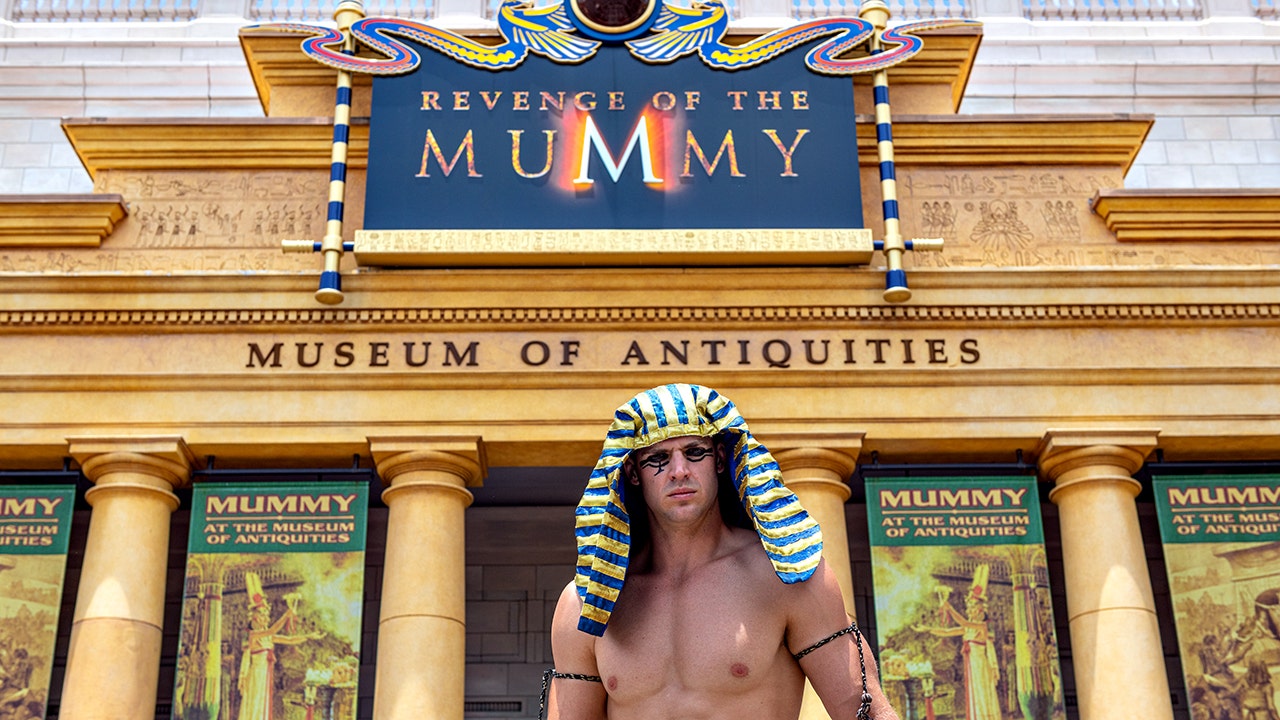
In a somber report released Thursday by Florida’s Department of Agriculture and Consumer Services (FDACS), an unidentified 70-year-old woman lost her life after riding Universal Orlando’s Revenge of the Mummy rollercoaster in November 2025. The elderly visitor became unresponsive during her experience on the indoor thrill ride and later succumbed at a hospital. The official report, which tracks incidents at Florida’s major theme parks, did not specify the cause of death. This tragedy marks another heartbreaking moment at one of America’s most beloved entertainment destinations, highlighting the rare but serious risks that can accompany even routine theme park experiences.
Revenge of the Mummy, a fixture at Universal Orlando since 2004, is an indoor rollercoaster themed after “The Mummy” film franchise that reaches speeds up to 45 mph. While millions have enjoyed this attraction safely over its nearly two-decade history, the ride has not been without incident. According to KTLA’s reporting, there have been 21 documented incidents ranging from minor issues like nausea and dizziness to more serious medical emergencies including a seizure and vertebrae fracture. This context raises important questions about ride safety protocols for elderly guests and those with underlying health conditions, even as such serious incidents remain statistically rare considering the massive number of riders who enjoy the attraction annually.
This unfortunate death follows another recent tragedy at Universal Orlando, where just months earlier in September 2025, 32-year-old Kevin Rodriguez Zavala died after becoming unresponsive on the Stardust Racers rollercoaster at the park’s Epic Universe expansion. Authorities reported that Zavala suffered multiple blunt force injuries while on the dual-launch ride before passing away at a hospital. The proximity of these two deaths has raised concerns among safety advocates and guests alike. Adding another layer of complexity, attorneys representing Zavala’s family have claimed that Universal missed “multiple” warning signs before his death, suggesting the incident wasn’t “isolated” and that other riders had reported similar injuries on the same attraction.
The FDACS report offers a broader perspective on theme park incidents throughout Florida, noting that during the same October to December 2025 period, Walt Disney World reported six health-related incidents while no incidents were recorded at other popular Florida parks including Sea World, Busch Gardens, and Legoland. This reporting system exists because major Florida theme parks that employ their own full-time safety inspectors are exempt from state inspections but must self-report incidents quarterly. This regulatory framework has occasionally drawn criticism from safety advocates who question whether self-reporting provides adequate oversight for such high-volume attractions that serve millions of guests annually from around the world.
For the average family planning their dream vacation to Orlando’s theme parks, these incidents, while tragic, require perspective. Theme parks remain statistically very safe entertainment venues when considering the millions of guests who visit annually and the billions of individual ride experiences that occur without incident. However, these deaths serve as somber reminders that certain attractions may pose elevated risks for vulnerable populations including elderly guests, those with pre-existing medical conditions, or individuals with physical characteristics that might impact their experience on high-intensity rides. Medical experts often recommend that guests with heart conditions, high blood pressure, back problems, or recent surgeries exercise caution when considering thrill rides.
As Universal Orlando and other theme parks continue to push the boundaries of thrill ride technology, these incidents highlight the delicate balance between creating exciting attractions and ensuring guest safety. Park operators continuously refine their safety protocols, ride designs, and warning systems to minimize risks, but these tragedies demonstrate that no system can eliminate all potential dangers. For visitors, these stories underscore the importance of honestly assessing one’s health status before riding, respecting posted warnings, and understanding that even with modern safety systems in place, certain rides may present risks for some individuals. As investigations into both incidents continue, theme park enthusiasts and safety advocates alike will be watching closely to see what lessons might be learned to help prevent future tragedies.