



The Cracking Frontier: How Cross-Border Airstrikes and Failed Diplomacy Are Pushing Pakistan and Afghanistan Into Open Conflict
Whispers of War in the Dead of Night: The Civilian Toll of the Border Confrontation
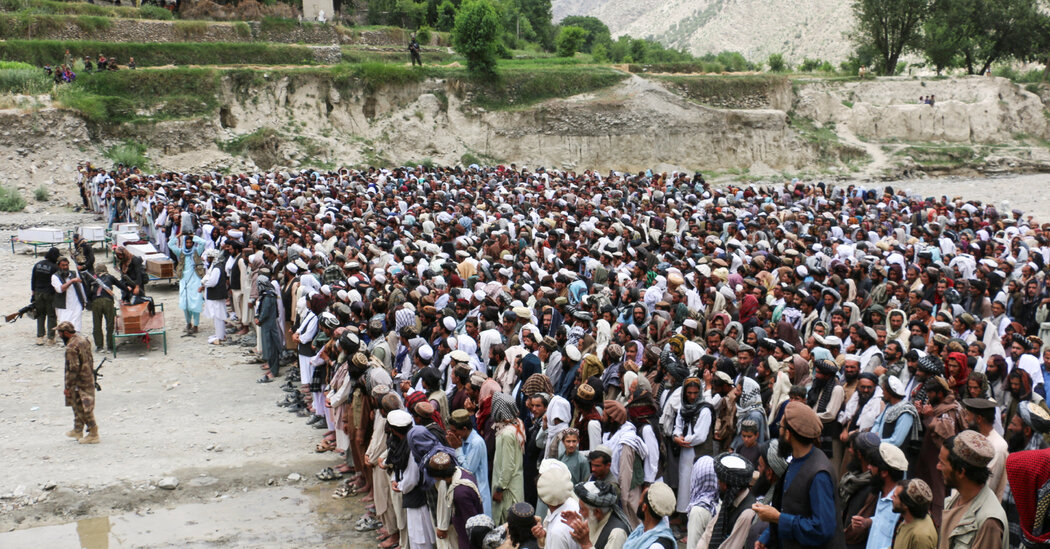
The quiet, high-altitude villages nestled along the rugged spine of the Hindu Kush have long been accustomed to the harsh elements of nature, but the pre-dawn hours of June 10 brought a far more destructive force. Across the volatile provinces of Khost, Kunar, and Paktika in eastern Afghanistan, the peace of the night was shattered by the distinct, low thrum of military aircraft, followed closely by deafening explosions that reduced clay-walled homes to rubble in a matter of seconds. According to a grim dispatch from the United Nations Assistance Mission in Afghanistan (UNAMA), these cross-border airstrikes claimed the lives of thirteen civilians and left ten others injured—the vast majority of whom were women and children caught in the crossfire of an escalating undeclared war. In Khost Province, local resident Safiullah Zadran recounted waking up in terror to a violent blast that shook the earth, only to step outside and witness thick, suffocating black smoke billow from the nearby residence of a local farmer. The farmer, alongside his wife, his niece, and six young children, perished instantly in the strike, forcing terrified neighbors to spend the remainder of the night seeking shelter in nearby agricultural fields, haunted by the fear of subsequent passes by foreign fighter jets. This tragic loss of life highlights the devastating human cost of a rapidly deteriorating security environment along the Durand Line, where the line between counter-terrorism operations and indiscriminate violence has become dangerously blurred for the families who call this borderland home.
   UNAMA DOCUMENTED CASUALTIES (June 9–10 Airstrikes)
   ┌──────────────────────────────────────────────────────────┐
   │  Deaths: 13 civilians (primarily women and children)    │
   │  Injuries: 10 civilians                                  │
   │  Targeted Provinces: Khost, Kunar, Paktika               │
   └──────────────────────────────────────────────────────────┘
A Bitter Battle of Narratives Across the Durand Line
In the immediate aftermath of the strikes, a fierce war of words erupted between Kabul and Islamabad, illustrating the deep-seated mistrust that now defines the relationship between the two neighbors. Zabihullah Mujahid, the chief spokesman for the Taliban’s administration in Kabul, wasted no time in publicly condemning the military incursions, labeling them a direct violation of territorial integrity and a provocative “act of aggression” that would not go unanswered. Conversely, Pakistan’s Foreign Ministry, represented by spokesperson Tahir Andrabi, offered a starkly different justification, asserting that the operations were “precise and targeted” surgical strikes aimed exclusively at neutralizing active militant camps and deep-seated hide-outs. When confronted with the UN’s findings regarding civilian casualties, Andrabi expressed skepticism, calling for greater transparency regarding the methodology used by international monitors to verify civilian deaths on the ground, while reiterating that Pakistan had been forced to act to defend its sovereign territory. This divergence in narrative highlights a fundamental impasse: while Islamabad frames its actions as legitimate self-defense against groups operating with impunity inside Afghanistan, the Taliban administration views these unilateral cross-border operations as unacceptable violations of their national sovereignty, setting the stage for a dangerous cycle of retaliation.
CHRONOLOGY OF ESCALATING TENSIONS (2024)┌─────────────────────────────────────────────────────────────────────┐
│ February: Pakistan launches major airstrikes, declaring “open war” │
├─────────────────────────────────────────────────────────────────────┤
│ April: China-mediated peace talks temporarily reduce hostilities │
├─────────────────────────────────────────────────────────────────────┤
│ May 27: Taliban accuses Pakistan of targeting an eastern university │
├─────────────────────────────────────────────────────────────────────┤
│ June 9-10: Fresh airstrikes in Khost, Kunar, and Paktika leave │
│ 13 civilians dead, sparking renewed international alarm │
└─────────────────────────────────────────────────────────────────────┘
From Strategic Depth to Open Hostility: The Legacy of 2021
To understand how relations between Pakistan and the Taliban devolved into this state of near-constant military confrontation, one must look back to the historic geopolitical shift of August 2021, when the Taliban swept back into power in Kabul following the chaotic withdrawal of Western forces. For decades, Pakistan’s military establishment had pursued a doctrine of “strategic depth,” maintaining close ties with the Afghan Taliban as a hedge against regional rivals, expecting that a friendly regime in Kabul would secure their western border and help suppress domestic militancy. However, this long-standing geopolitical calculus quickly unraveled as the newly established Islamic Emirate of Afghanistan refused to play the role of Islamabad’s subservient proxy, choosing instead to assert its independence and foster its own domestic agenda. The resulting security vacuum allowed various militant factions, chief among them the Pakistani Taliban, to find renewed operating space along the porous border, transforming what was once a relationship of convenience into a highly volatile standoff. By February of this year, Pakistan’s patience had evaporated, prompting the military to launch a sweeping wave of airstrikes inside Afghanistan and effectively declare an “open war” against its neighbor, permanently shattering the illusion of fraternal ties between the two Islamist authorities.
The Shadow of the TTP and the Security Dilemma
At the very center of this bilateral crisis is the Tehreek-e-Taliban Pakistan (TTP), a formidable domestic militant group that shares deep ideological, historical, and tribal ties with the Afghan Taliban but operates with the primary objective of overthrowing the Pakistani state. Analysts point out that while the Taliban government in Kabul has grudgingly acknowledged that some rogue Afghan fighters have crossed the border to join the TTP’s campaign, they firmly deny that they actively host, fund, or facilitate the network’s operational leadership. Taliban officials argue that their influence over the TTP is purely ideological and that they lack the physical infrastructure or political leverage to control the group’s decentralized cross-border movements, which are deeply rooted in the complex tribal dynamics of the frontier. This explanation has done little to satisfy Islamabad, which insists that the TTP continues to orchestrate sophisticated, high-casualty attacks on Pakistani security forces from safe havens located directly under the Taliban’s watch, giving rise to an intractable security dilemma. Consequently, Pakistan has increasingly turned to its air superiority as a crude tool of border management, engaging in highly destructive airstrikes that are met by Afghan forces deploying armed drones and conducting retaliatory border raids, turning the entire frontier into a militarized zone.
BILATERAL RISK MATRIX: DEEPENING SECURITY IMPASSE┌───────────────────────────────────────┬───────────────────────────────────────┐
│ PAKISTANI NATIONAL PERSPECTIVE │ AFGHAN TALIBAN PERSPECTIVE │
├───────────────────────────────────────┼───────────────────────────────────────┤
│ • Views the TTP as an existential │ • Denies harboring or facilitating │
│ threat operating from safe havens. │ cross-border militant networks. │
│ • Demands immediate, decisive action │ • Condemns unilateral air incursions │
│ and extradition of group leaders. │ as violations of sovereignty. │
│ • Employs unilateral airstrikes to │ • Responds with retaliatory artillery │
│ eliminate threats near the border. │ strikes and border troop deployments.│
└───────────────────────────────────────┴───────────────────────────────────────┘
Fragile Truces and the Limits of Regional Mediation
The short-lived calm that settled over the border region earlier this spring demonstrated both the potential and the severe limitations of regional diplomacy when dealing with deeply entrenched ideological conflicts. In April, fearing that a full-scale border war would destabilize Central and South Asia, China stepped forward to mediate high-stakes peace talks between delegations from Islamabad and Kabul, successfully brokering a temporary reduction in cross-border violence. However, this diplomatic breathing room proved to be incredibly fragile, as neither side was willing to make the fundamental compromises needed to secure a lasting peace, leading to a swift resumption of armed hostilities as soon as local commanders clashed on the ground. Throughout May, low-level skirmishes continued to claim lives almost weekly, punctuated by a highly controversial incident on May 27, when the Taliban accused Pakistani forces of launching an airstrike on a university campus in eastern Afghanistan, an allegation that further inflamed publicanger and eroded what little diplomatic trust remained. The collapse of these mediation efforts underscores the reality that without a comprehensive agreement addressing the underlying status of the Durand Line and the disarmament of border militants, short-term ceasefires will remain nothing more than brief pauses in an otherwise continuous cycle of regional conflict.
The Humanitarian Emergency and the Imperative for International Dialogue
As the political and military maneuvers of Kabul and Islamabad continue to dominate headlines, international humanitarian organizations are raising the alarm over the severe consequences this endless conflict is having on an already deeply vulnerable civilian population. The United Nations Assistance Mission in Afghanistan has issued an urgent plea to both governments, demanding an immediate de-escalation of hostilities, a commitment to a durable ceasefire, and the immediate reopening of critical border crossings that serve as vital lifelines for humanitarian aid. Currently, prolonged border closures are blocking essential shipments of food, medicine, and emergency supplies from entering landlocked Afghanistan, exacerbating a nationwide economic collapse and leaving millions of families facing acute food insecurity. Safeguarding civilian lives in these remote border regions requires more than temporary defensive measures; it demands a fundamental shift away from militarized brinkmanship and toward sustained, transparent diplomatic dialogue. Only by addressing the core issues of border security, refugee repatriation, and economic cooperation can Pakistan and Afghanistan hope to break this destructive cycle of violence and build a stable, prosperous future for the millions of people who live along this dangerous frontier.