


U.S. Strikes Blow Against Alleged Corruption in Mexico’s Halls of Power
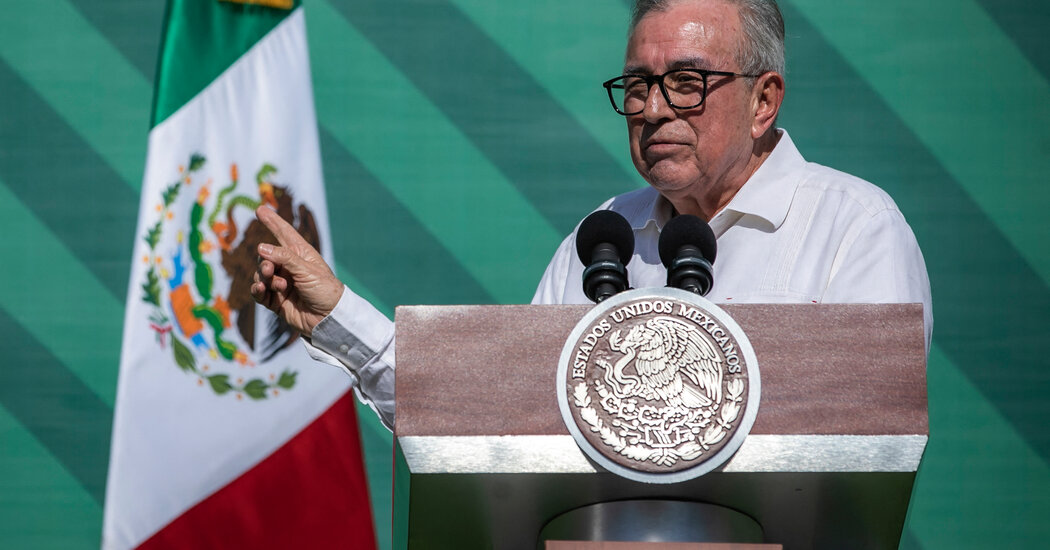
In a dramatic escalation of the long-standing battle against transnational organized crime, U.S. federal prosecutors on Wednesday unveiled sweeping indictments targeting Mexico’s governor of Sinaloa and nine other high-ranking officials, both current and former. The accusations paint a chilling picture of a multifaceted conspiracy: these public servants, entrusted with safeguarding their nation, allegedly bartered their authority for illicit gains, facilitating the influx of deadly narcotics into American borders in exchange for bribes and cartel-backed political favors. At the heart of this scandal lies Rubén Rocha Moya, the septuagenarian steward of one of Mexico’s most crime-plagued states, who prosecutors claim forged unholy alliances with the formidable Sinaloa cartel—a syndicate notorious for its ruthless command over drug trafficking routes that have spilled rivers of blood and addiction across continents. This isn’t merely about drugs; it’s a story of betrayal, where elected leaders allegedly morphed into gatekeepers for narco-terrorism, prioritizing personal power and profit over the public’s well-being. As a journalist who’ve covered the narcotics scourge for years, the implications here extend far beyond legal filings—they ripple through communities on both sides of the border, challenging the fragile foundations of international trust and cooperation in an era when fentanyl overdoses claim American lives at alarming rates.
The indictment, released in a federal court in Washington, D.C., draws from meticulous law enforcement investigations that purportedly expose Rocha’s administration as a puppet show orchestrated by criminal overlords. Prosecutors allege that Rocha, whose tenure as governor began in 2021 amid promises of renewal and security, instead embarked on a path of complicity. In return for shielding cartel operatives from scrutiny—ensuring that raids fizzled, investigations stalled, and arrests evaporated into thin air—he and his co-conspirators, including a veteran Mexican senator and the embattled mayor of Sinaloa’s bustling capital, pocketed millions in drug money. The scheme wasn’t haphazard; it was systematic, prosecutors claim, involving the leaking of sensitive intelligence to cartel informants and the subversion of justice systems designed to dismantle organized crime networks. This web of corruption didn’t just endanger Mexicans terrorized by cartel enforcers; it enabled the smuggling of colossal quantities of fentanyl, heroin, cocaine, and methamphetamine into the United States, fueling an opioid crisis that has devastated families from coast to coast. Stories abound of communities hollowed out by these substances—think of grieving parents testifying before congress or towns where local economies now revolve around addiction treatment centers. By weaving local politics into this global narcotics trade, the case underscores how cartels like Sinaloa exploit governance gaps, turning public office into a lucrative racket. It’s a reminder that corruption isn’t just a Mexican ailment; it’s a shared border problem, exacerbated by the cartel’s sophisticated operations that blend violence with savvy electoral manipulation.
Amid the fury of these revelations, Rocha has vehemently rejected the charges, labeling them “entirely false and without foundation” in a public statement that echoed defiance from Mexico City. He framed the U.S. action as a brazen assault on Mexican sovereignty, an affront allegedly orchestrated to undermine the leftist Morena party that has swept into power under President Claudia Sheinbaum. Analysts attuned to the region’s volatile politics suggest this pushback isn’t just personal—it’s ideological, pitting America’s conservative hardliners against Mexico’s progressive agenda that emphasizes social welfare over punitive enforcement. Rocha’s denials come as no surprise to observers who’ve watched him weather previous scandals involving dubious land deals and shadowy associates. Yet, his dismissal raises eyebrows: how could a governor of a state synonymous with cartel violence—where kidnappings and turf wars have scarred the landscape for decades—remain so insulated from suspicion? Mexican officials, too, have pushed back, describing the U.S. extradition request as poorly substantiated and insufficient to justify the haul of their compatriots across borders. This diplomatic dance highlights the tensions bubbling beneath the surface of U.S.-Mexico relations, where accusations of overreach clash with demands for transparency in combating narco-corruption. For citizens in Sinaloa, where public trust in institutions has eroded like weathered adobe, Rocha’s vocal defense might resonate as a rallying cry—or ring hollow, depending on one’s stake in the endemic bloodshed that has claimed thousands of lives. Either way, the episode spotlights the paradox of sovereignty in an interconnected world: actions to combat crime can easily morph into perceived aggressions, straining alliances forged amid shared existential threats.
Under the Trump administration, these indictments represent the boldest gambit yet in a strategy that’s long decried cartel-enabling governance as the root of Mexico’s woes—a diagnosis echoed by policymakers who’ve watched heroin and fentanyl imports surge, turning America’s streets into battlegrounds. President Trump, known for his fiery rhetoric on border security and immigration, has repeatedly lambasted Mexican corruption, arguing that without genuine reforms, bilateral efforts to quell the cartel scourge remain doomed to failure. The targeting of Rocha, a staunch ally of both Sheinbaum and her predecessor Andrés Manuel López Obrador, could indeed wedge a chasm between Washington and Mexico City at a pivotal moment. Just as the two nations deepen joint operations against cartels—through shared intelligence and law enforcement protocols—these charges threaten to fray that partnership, potentially sidelining collaborative initiatives designed to stem the tide of drug-fueled violence that has left Mexican streets littered with bodies and American communities grappling with overdose epidemics. Rocha’s indictment of Morena’s highest-profile official yet amplifies the stakes; it’s not just about prosecuting individuals but exposing systemic rot within a political machine that’s promised anti-corruption crusades while facing accusations of harboring elements too close to criminal nuclei. Experts in Latin American studies argue that such U.S. interventions, while justified by evidence of cartel ties, risk alienating populist leaders like Sheinbaum, who balance nationalist fervor with pragmatic dialogues. The fallout could reverberate through upcoming elections, where voter sentiment sways on perceptions of foreign meddling, complicating Sheinbaum’s tightrope walk between asserting autonomy and fostering cross-border stability.
Diving deeper into the prosecutorial narrative, the conspiracy allegedly hinged on a quid pro quo that ensnared Rocha’s entire administration from its inception. Prosecutors portray a campaign replete with cartel muscle: meetings where Rocha reportedly negotiated assurances of unchecked operations for the Los Chapitos faction—led by the sons of the infamous Joaquín “El Chapo” Guzmán—in swap for electoral backing. Cartel enforcers, prosecutors claim, intimidated rivals, snatched ballot boxes in brazen heists, and swayed undecided voters through coercion, cementing Rocha’s victory in a state where democratic processes often play second fiddle to underworld dictates. This electoral interference wasn’t incidental; it allowed the Sinaloa cartel to embed corrupt sympathizers across state and municipal governments, including figures like the capital’s current mayor and the deputy attorney general—roles that, in theory, should combat precisely these threats. The indictment details how such figures supplemented the cartel’s protective shield with insider tips, ensuring that raids on stash houses evaporated and that high-value targets slipped prosecution nets. In return, waves of illicit cash—millions stashed in offshore accounts or laundered through legitimate businesses—financed lavish lifestyles shielded from public scrutiny. This symbiotic relationship has enabled Sinaloa to amass fortunes from multinational drug empires, where fentanyl, synthesized in clandestine Mexican labs and trafficked via intricate smuggling corridors, wreaks havoc far beyond regional borders. Communities in the U.S., from rural counties ravaged by meth addiction to urban centers burying overdose victims, bear the human cost, their stories a grim testament to how one state’s corruption fuels a national tragedy. Hays cartels like this don’t operate in vacuums; they thrive on perverse incentives, blending economics, politics, and violence into a toxic brew that defies easy cures.
The indictments invariably cast Sheinbaum into a quandary, spotlighting the dilemmas of leadership in a cartel-plagued democracy. As Mexico’s first female president, she ascended with vows to eradicate the corruption that cripples her nation’s progress, shuttering some low-level officials embroiled in graft. Yet Trump’s insistence on “more action” underscores perceived shortfalls, with these revelations threatening to fracture Morena—a coalition of unions, activists, and pragmatists wary of U.S. influence. Facing potential purges within her ranks, Sheinbaum must navigate sovereignty’s imperatives against the political realities of a party harboring skeptics who view such foreign legal forays as destabilizing plotlines. The predicament extends to the broader anti-cartel crusade; while tighter cooperation has yielded arrests and seizures, the targeting of sitting officials could erode goodwill, prompting retaliatory measures or diminished intelligence sharing. For ordinary Mexicans, fatigued by decades of cartel tyranny, this drama underscores the fragility of reforms in a nation where justice often bows to power. Observers note that resolving this standoff requires not just prosecutions but enduring institutional fortification—addressing judicial integrity, reforming law enforcement, and tackling economic disparities that leave communities vulnerable to cartel recruitment. As the drama unfolds, with extradition hearings looming and diplomatic cables buzzing, one thing remains clear: the Sinaloa cartel scandal isn’t just a tale of bribes and ballots; it’s a lens into the intricate dance between nation-states, where battling corruption demands unflinching courage from both sides of the Rio Grande. In the end, true progress lies in forging alliances that prioritize human lives over political points, ensuring that future headlines herald victories against the cartels, not collateral damage from misaligned justice. This case, with its web of allegations and denials, serves as a stark reminder that in the war on drugs, the front lines often trace the contours of political power, testing the resilience of democracies on both shores. As investigations deepen and trials beckon, the world watches, hoping for accountability that heals rather than divides.