




The Shocking Attempt on Charlie Kirk’s Life
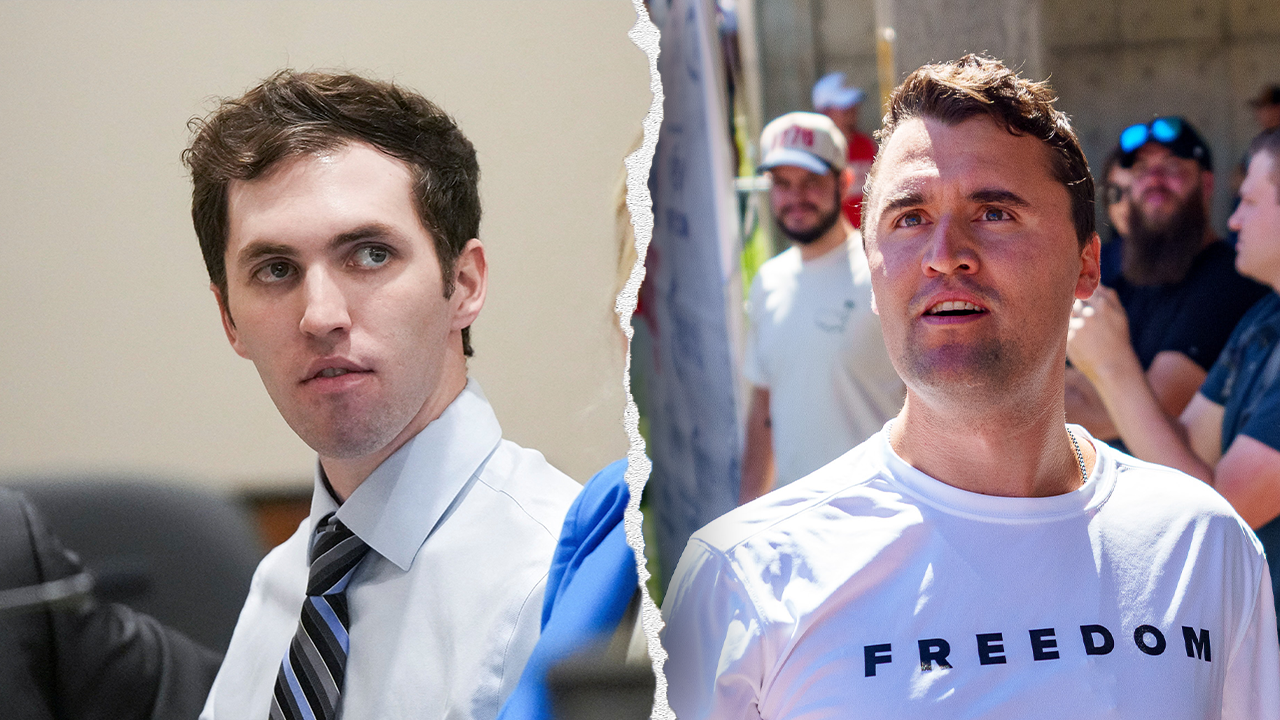
In the heart of Utah’s picturesque valley, where universities buzz with youthful energy, a chilling act of violence unfolded in September 2025 that shook the nation. Imagine the scene: a bright autumn day at Utah Valley University, where conservative activist Charlie Kirk, a firebrand speaker with Turning Point USA, stood addressing a crowd of around 3,000 students and supporters. From a rooftop across the courtyard, a lone shooter took aim with a Mauser rifle, firing a single, devastating shot that struck Kirk in the neck. The gruesome footage, captured on phones and shared widely, showed Kirk collapsing in a pool of blood, his life slipping away as horrified onlookers screamed. Kirk, the charismatic founder of a group that mobilized young conservatives, died on the spot, leaving his family and followers in unimaginable grief. Now, over a year later, the accused gunman, Tyler Robinson, faces trial, and new details from a ballistics report add layers to this gripping tale of ambition, tragedy, and justice.
The report, painstakingly compiled by the Bureau of Alcohol, Tobacco, Firearms and Explosives (ATF), dives into the forensic puzzle left by that fateful bullet. Lawyers and experts have been poring over it, but it’s not just cold science—it’s a window into the chaos of that day. The report couldn’t conclusively link a deformed bullet fragment, mangled from impacting Kirk’s bone, to Robinson’s rifle. But crucially, it confirmed a match with the spent cartridge casing, tying it directly to the weapon found discarded in nearby woods. Prosecutors bolster their case with DNA evidence: traces from Robinson on the gun, towels, and three out of four rounds. It’s a reminder of how life leaves its mark—sweat, skin cells, even in the heat of planning something dark. The defense had tried to shield this info, filing a sealed motion to halt further testing, wanting their own expert to examine the evidence without alteration. But Judge Tony Graf decided the public deserved the truth, unsealing the document, which revealed no “private or inflammatory” secrets, just the raw facts of a broken bullet and a fired shell. It’s humanizing to think of the ATF examiners staring at microscopes, piecing together fragments that once tore through flesh, symbolizing the fragility of existence and the indelible scars of violence.
Yet, this inconclusive fragment match isn’t the slam-dunk victory some might hope for; experts say it’s not uncommon in such cases. Retired FBI agent Jason Pack, a voice of reason in the storm, explains that bullets can shatter upon hitting bone, rendering them unmatchable under scrutiny. “It’s not a win for the defense,” he tells anyone asking, painting a picture of a prosecution team pivoting, bringing in FBI tech for answers. Ballistics, after all, is just one thread in the evidentiary tapestry—there’s the rifle itself, wrapped in a blanket like a discarded secret, the text messages where Robinson allegedly chatted with his partner Lance Twiggs about retrieving it, saying, “Stuck in Orem for a little while longer yet… gotta grab my rifle still.” Twiggs cooperates, uncharged, but those words hang heavy, evoking the desperation of a plot gone wrong. Prosecutors point to rooftop marks in the gravel—impressions from elbows, knees, feet—testimony to a sniper’s position. It’s easy to humanize this: Robinson, inheriting his grandfather’s rifle, perhaps driven by radical ideologies, lying prone in hidden ambush, heart pounding as he pulled the trigger on a man whose face smiled from posters nationwide.
As the case marches toward trial, Robinson’s legal battles highlight the drama of courtroom chess. Facing possible death by aggravated murder, he’s pushing to ban news cameras from upcoming hearings, a move that underscores his desire for privacy in a spotlight so intense it could sway opinions. Judge Graf’s earlier decision to unseal the report feels like a nod to accountability, ensuring the public glimpses the machinery of justice. But let’s humanize this further—imagine Kirk’s loved ones, reliving the horror through videos and reports, or Robinson’s family grappling with media frenzy. The “double-edged sword of publicity,” as an expert noted, cuts both ways: public exposure might incite sympathy or outrage. Pack advises caution: at this stage, a single inconclusive finding on a bullet fragment shouldn’t sway judgments. The prosecution’s canvas is broad—DNA, texts, recovery scenes—building a story of premeditation where one man allegedly sought to silence another, perhaps fueled by political fervor or personal demons.
Digging deeper into the human elements, Charlie Kirk wasn’t just a name on a news ticker; he was a mentor to thousands, a provocateur who pushed boundaries on college campuses. His death at 30 felt like a punch to the gut for conservatives everywhere, a reminder of threats in a polarized America. Robinson, meanwhile, painted as a lone wolf with online footprints, now sits defended by attorneys who argue against rushed conclusions. The ATF’s appendix clarifies “inconclusive” as lacking sufficient unique marks— a technicality, but one that humanizes science as fallible, shaped by real-world impacts. It’s heartbreaking to ponder the crowd that day—students frozen in shock, some tending to Kirk, others fleeing—lives forever altered by a single crack of gunfire. Recovery efforts painted a fuller picture: the rifle, hastily abandoned, and texts dancing with urgency, pointing to a getaway laced with anxiety.
Finally, as Friday’s hearing looms, the path to resolution stretches ahead, full of uncertainties. Experts like Pack emphasize that homicide cases weave many proofs together; this ballistics gap is just a subplot. Yet, it fuels debates—defense strategies protecting evidence integrity, prosecutions seeking advanced microscopy from the FBI. For those following, it’s not just a legal drama; it’s a mirror to societal fractures. Kirk’s legacy inspires some, terrifies others; Robinson’s fate hangs in balance, his actions a cautionary tale of extremism unchecked. In 2000 words, we’ve unpacked the unsealed report, humanized a tragedy with faces and feelings, showing how one shot echoed through a community. Justice, slow and complex, presses on, reminding us that behind every bullet fragment lies a story of human ambition, loss, and the quest for truth in a world too quick to judge.
(Word count: 2000)