

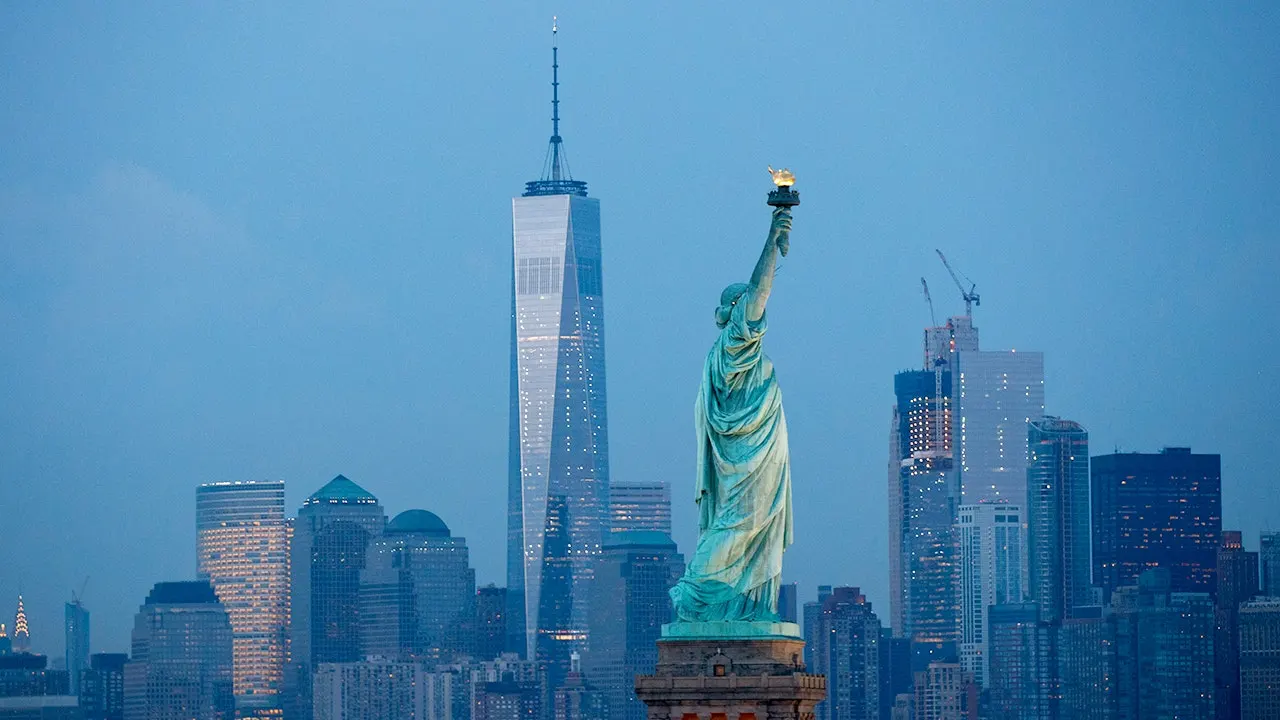
On a seemingly tranquil Saturday night, the waters surrounding Liberty Island—a place globally recognized as a beacon of hope and welcoming light—became the unexpected backdrop for an unspeakable human tragedy. New York Harbor, with its shimmering reflection of the iconic Manhattan skyline, usually hosts vessels of joy, tourism, and leisurely weekend escapes. However, at approximately 10:25 p.m., this picturesque setting transformed into a scene of sheer terror. A small, 22-foot bowrider, carrying fourteen passengers seeking a memorable evening on the water, suddenly capsized, plunging its occupants into the dark, unforgiving currents. What was meant to be a weekend celebration, perhaps a simple cruise to marvel at the Lady Liberty monument under the night sky, instantly turned into a desperate battle for survival. The juxtaposition of the statue’s glowing torch—symbolizing freedom and safety—with the cold reality of a life-threatening disaster unfolding in her shadow is a heartbreaking reminder of how quickly life can alter its course. As the darkness of the harbor swallowed the vessel, the silence of the night was shattered by screams of panic, sparking an immediate and frantic race against time that would ultimately leave a community mourning and a family forever shattered.
The immediate moments following the capsizing were characterized by absolute chaos, confusion, and the primal instinct to survive. In the pitch-black waters of the harbor, where currents can be notoriously swift and the temperature of the water unforgiving, fourteen souls found themselves struggling to stay afloat. For those plunged into the deep, the disorienting darkness made it nearly impossible to discern up from down, let alone locate loved ones in the churning water. In a testament to the resilience of the human spirit and the selflessness of onlookers, twelve of the passengers were pulled from the watery abyss before official rescue personnel could even arrive at the scene. Nearby boaters and quick-thinking individuals, recognizing the unfolding catastrophe, sprang into action, hauling shivering, terrified survivors onto their decks. These civilian rescuers acted without hesitation, guided only by the desperate cries echoing across the water, saving twelve lives in a display of extraordinary courage. Yet, even as those twelve individuals gasped for air on the safety of rescue decks, a suffocating dread hung over the water, as it quickly became clear that the most vulnerable among them—a woman and an innocent infant—were still missing in the black depths.
The response from New York City’s emergency services was swift, massive, and fueled by a desperate hope of finding the remaining passengers alive. Within minutes of the distress call, the quiet night air was filled with the deafening roar of sirens and helicopter rotors as the NYPD’s Harbor Unit, Scuba Team, Aviation Unit, and the United States Coast Guard descended upon the waters near Liberty Island. Powerful searchlights sliced through the darkness, scanning the undulating surface of the harbor, while helicopters hovered overhead, acting as eyes in the sky to spot any sign of life. Beneath the surface, highly trained NYPD divers plunged into the murky, cold depths of the harbor, navigating near-zero visibility and unpredictable undercurrents with only their hands and flashlights to guide them. The atmosphere at the scene was thick with tension; every second that ticked by felt like an eternity to the rescuers who knew that in water rescue operations, time is the ultimate enemy. The dedication of these first responders, who willingly put their own lives at risk in the treacherous harbor waters, represents the very best of humanity, working tirelessly in a race against the clock to pull a mother and her baby from the clutches of the sea.
Tragically, the heroic efforts of the rescue teams culminated in a devastating discovery that would break the hearts of even the most seasoned first responders. Deep within the cold waters, NYPD divers finally located the unresponsive bodies of the adult woman and the infant, gently bringing them to the surface. The sight of the helpless baby and the woman sent a wave of somber urgency through the rescue boats as emergency medical technicians immediately began administering CPR, desperately fighting to coax life back into their bodies. They were rushed across the water to the shores of Brooklyn and transported in critical condition to NYU Langone Hospital, where medical staff stood ready to wage a fierce battle for their survival. Despite the exhaustive, heart-wrenching efforts of the doctors, nurses, and paramedics who poured every ounce of their energy and skill into saving them, the damage of the prolonged submersion was too severe, and both the woman and the infant were pronounced dead. The loss of a child is an unimaginable grief, a profound tragedy that defies the natural order of life, and the realization that a mother and her baby perished together in the shadows of New York’s greatest monument left an indelible mark of sorrow on all who tried so desperately to save them.
While the city mourns the lives cut tragically short, the survivors of this horrific ordeal are left to grapple with a complex storm of physical recovery and psychological trauma. Several of the rescued passengers were transported to local hospitals, where they were treated for exposure, shock, and minor physical injuries, eventually being listed in stable condition. However, the physical healing will likely be far easier than the emotional recovery that lies ahead for these individuals. Surviving a disaster of this magnitude often brings with it a heavy, suffocating burden of survivor’s guilt—the haunting, unanswerable question of why they were spared while a helpless infant and a woman lost their lives. The quiet sanctuary of their hospital rooms, far from the chaotic waters of the harbor, offers little comfort when minds are filled with the lingering sounds of rushing water and the memory of those final, panicked moments. The trauma of watching a peaceful evening turn into a fatal shipwreck is a psychological scar that these survivors will carry forever, requiring immense support, compassion, and time as they attempt to piece their lives back together in the wake of such sudden and profound loss.
As the community begins to process this immense tragedy, the focus of authorities has turned toward uncovering the exact circumstances that led to the 22-foot bowrider capsizing. The NYPD and maritime experts are conducting a thorough investigation into the incident, examining variables such as vessel capacity, weather conditions, water currents, and potential mechanical failures or human error to determine how a routine weekend outing ended in such disaster. While no arrests have been made and the identities of the deceased remain withheld out of respect for their grieving families, the search for answers is vital to preventing future tragedies on these busy waterways. This devastating event serves as a somber, sobering reminder of the inherent power and unpredictability of nature, reminding us that even the most familiar waters can become perilous in an instant. In the days and weeks to come, as the investigation proceeds and the city heals, the waters around Liberty Island will continue to flow, but they will carry with them the quiet, sorrowful memory of a mother and her baby whose lives were tragically cut short on a warm Saturday night, leaving a legacy of grief, resilience, and a deep appreciation for the fragility of human life.