






CIA Officials Perished in Deadly Car Crash During Counter-Cartel Operation in Mexico
In the rugged mountains of northern Mexico, a tragic car accident has claimed the lives of two Central Intelligence Agency operatives, adding a layer of intrigue and sorrow to the U.S.-Mexico campaign against powerful drug cartels. The incident unfolded early Sunday morning as the group was returning from a high-stakes mission to dismantle clandestine methamphetamine labs, operations that have become increasingly perilous in a region plagued by violence. According to sources close to the matter, who spoke on the condition of anonymity to protect sensitive intelligence details, the deceased Americans were indeed CIA personnel. This revelation not only spotlights the agency’s covert role in Mexico’s relentless drug war but also raises pressing questions about the risks U.S. intelligence operatives face in foreign lands. As authorities in Chihuahua state disclosed, four individuals perished in the crash—two Americans and two Mexicans, all passengers in the vehicle. The incident serves as a stark reminder of the human cost behind the headlines of international cooperation against narcotics trafficking, where bravery often meets unforeseen tragedy.
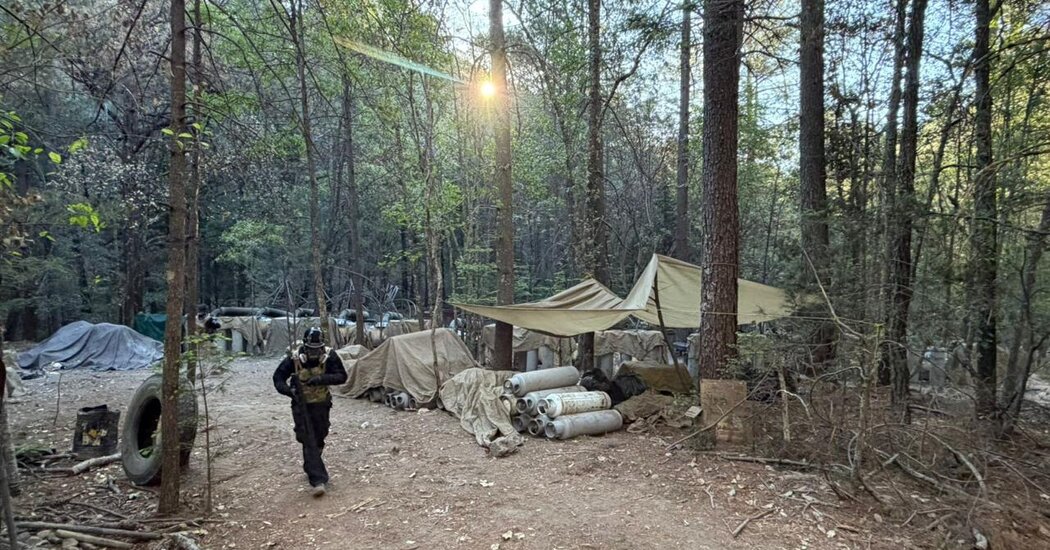
The details of that fateful journey paint a picture of intense, adrenaline-fueled activity. The operation, led by Mexico’s armed forces, targeted hidden methamphetamine production sites nestled in the remote mountainous terrain of Chihuahua. These labs, often camouflaged amid the harsh landscapes, represent the frontline of a multimillion-dollar illicit industry that fuels cartels like the Sinaloa and Jalisco New Generation groups. The mission aimed to cripple their supply lines, seizing chemicals and equipment that could produce tons of synthetic drugs flooding markets from Mexico into the United States. It was during the return leg that disaster struck. Eyewitness accounts and initial investigations suggest the vehicle veered off a treacherous road, perhaps due to exhaustion from the arduous trek, poor visibility in the early hours, or the inherent dangers of traversing dirt paths cut through unforgiving slopes. Local authorities, scrambling for answers, emphasized that the team had operated in a volatile area, where cartel surveillance and potential reprisals are constant threats. The Mexican officials accompanying the Americans, also casualties, were hailed as partners in this silent battle, their loss underscoring the shared perils of the alliance.
Delving deeper, this episode exposes the CIA’s longstanding, albeit shadowy, involvement in Mexico’s drug war—a relationship that dates back decades and has evolved into a complex web of intelligence-sharing and joint operations. Since the early 2000s, when the Mérida Initiative formalized U.S. aid to Mexico, the agency has played a crucial role in gathering actionable intelligence on cartel leaders, disrupting smugglers, and aiding in arrests. Experts point to how the CIA’s expertise in surveillance, signals intelligence, and human sources has been instrumental in dismantling networks that once seemed untouchable. Yet, this partnership is fraught with challenges, including bureaucratic hurdles and the delicate politics of sovereignty. The death of these operatives highlights a trend: as cartels innovate with drones, encrypted communications, and even cyber tactics, the CIA’s deployments require operatives to venture into ever-more dangerous environments. It’s a cat-and-mouse game where success stories, like the 2016 capture of El Chapo, are bittersweet victories overshadowed by losses like this one.
The dangers inherent in these counter-cartel missions are nothing short of extraordinary, transforming seasoned operatives into accidental heroes in a geopolitical shadow war. Operating in Mexico, where cartel warfare has claimed over 100,000 lives since 2006, means navigating a landscape littered with risks—from armed ambushes to IEDs disguised along backroads. The two CIA officers killed were part of a broader cadre trained for covert action, often blending in as advisors while contributing logistical and tactical support to Mexican forces. Their anonymous sources described them as dedicated professionals whose work aimed to weaken the financial underpinnings of these criminal empires, preventing the flow of methamphetamines and other drugs that devastate communities across the border. The crash, occurring on a return route, implies that even the post-operation phase isn’t safe; fatigue, combined with the mountainous terrain’s unpredictability, can prove lethal. This tragedy echoes similar incidents, like past casualties in Afghanistan or Iraq, where intelligence work collided with raw peril, reminding us that diplomacy and derring-do often intersect in tragedy.
Official responses have been measured, reflecting a delicate balance between mourning and strategic discretion. The U.S. State Department issued a statement expressing condolences to the families of the deceased and reaffirming commitment to bilateral efforts against drug trafficking. Mexican officials, through Chihuahua’s governor and federal sources, described the operation as a success despite the outcome, noting the destruction of several labs that threatened public safety. However, behind closed doors, whispers suggest internal reviews to assess whether protocols for such missions need tightening—from better vehicle choices in rough terrain to enhanced security escorts. The anonymity of the sources confirming the CIA identities underscores the classified nature of these operations, where transparency is a luxury rarely afforded. This approach, while protecting operations, can also fuel speculation and erode public trust in cross-border collaborations that are vital for regional stability.
As investigations continue and memorials are planned, the incident prompts broader reflections on U.S.-Mexico anti-cartel cooperation. With drug violence persisting despite billions in foreign aid, critics argue that the CIA’s involvement sometimes blurs lines between intelligence gathering and outright paramilitary action, potentially straining diplomatic ties. Yet, proponents see it as an essential bulwark against organizational crime that transcends borders. The loss of these lives—individuals whose identities and full stories remain shrouded for national security reasons—humanizes the fight, reminding policymakers and citizens alike of the sacrifices required. It calls for a renewed dialogue on safety measures, perhaps integrating advanced tech or international protections. In the end, this crash isn’t just a footnote in the drug war; it’s a poignant chapter that demands accountability, innovation, and unity in the face of an elusive enemy. Emiliano Rodríguez Mega contributed reporting.