

Paragraph 1: The Grand Unveiling in Miami
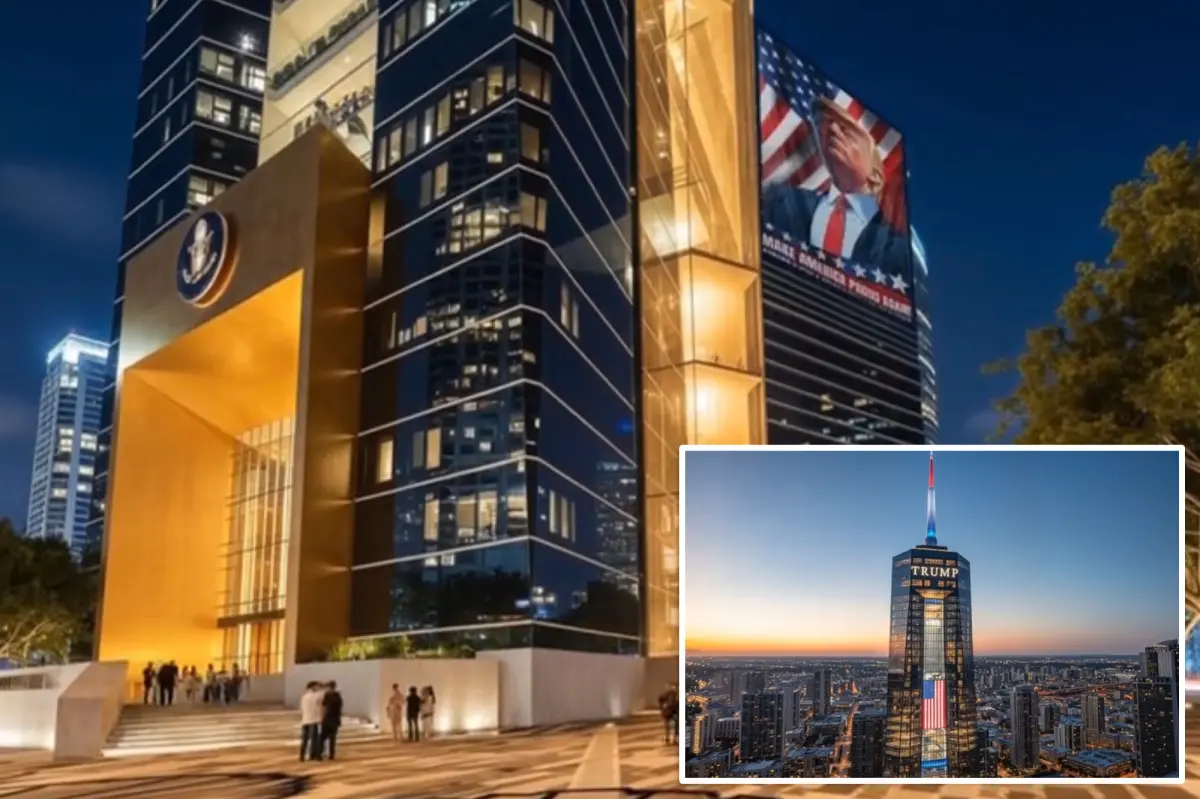
Imagine waking up one Monday morning to find that former President Donald Trump, ever the showman, has just shared a jaw-dropping video on Truth Social revealing his grand vision for a presidential library and museum smack in the heart of downtown Miami. It’s not just any building—this thing is going to shoot up like a beacon in the Magic City skyline, a towering skyscraper that screams ambition and legacy. Picture the sun glinting off its glass facade as curious onlookers crane their necks, wondering how such an imposing structure could fit into the already vibrant Miami scene. Trump himself seemed thrilled, framing this as more than a museum; it’s a personal monument, a testament to his time in office and the battles he fought along the way. Standing at what would be a staggering height, it’s designed to dominate, reminding everyone of those high-stakes moments of his presidency where he navigated controversies, impeachments, and even an assassination attempt. The video kicks off with sweeping shots of the building emerging from the skyline, and you can’t help but feel the excitement bubbling up— it’s as if Miami’s laid-back vibe is about to get a serious jolt of Trump’s unmistakable energy. Critics might roll their eyes, calling it grandiose, but for supporters, this is a celebration, a physical echo of the “America First” rally cries that defined his campaigns. It’s human in its way, reflecting how Trump has always turned personal vision into something larger-than-life, just like those fiery speeches that rallied crowds. People online are buzzing, sharing memes and debates, some praising the boldness, others comparing it to ego trips of the past. Yet, there’s an undeniable allure to it— a building that promises to immortalize not just policies but the spirit of a man who refused to back down, even when faced with life’s harshest knocks. As the video plays, you see hints of nostalgia, blended with futuristic flair, making you wonder what stories it will tell about leadership in turbulent times. It’s not every day a president unveils something this ambitious outside of Washington, and in Miami, a city with its own flair for reinvention, it feels almost poetic. Trump has always been about disruption, after all—from reality TV to the Oval Office—and this library seems like his final act of that same playbook, ensuring his story lives on in gleaming bronze and steel.
Paragraph 2: A Skyline Statement Piece
Delving deeper into the design, this skyscraper isn’t just tall; it’s a statement, illuminated with the “Trump” name glowing brightly near its peak, below a red, white, and blue antenna that stands as patriotic punctuation over the whole thing. It’s easy to picture on a clear Miami evening, when the lights dance and the name shines like a Hollywood marquee, drawing eyes from miles away. Halfway up the building, an enormous American flag flutters proudly, a simple yet powerful emblem of the nationalism Trump championed during his terms. But what’s really striking is the statue perched atop the main entrance—a golden-hued figure of Trump himself, fist raised in that defiant gesture he flashed after the shocking assassination attempt in Butler, Pennsylvania, last July. Survivors of that harrowing moment still talk about the chill in the air, the way bullets whizzed by and the personal courage it took for him to stand there, blood on his ear, rallying his base. Now, replicated in this grand scale, it humanizes the library, turning abstract leadership into something tactile, a reminder that behind the policies, there were real risks and real resilience. Visitors walking toward it might feel a surge of emotion, connecting Trump’s combative spirit to their own lives—battling pandemics, economic upheavals, or everyday struggles. The building’s glass facade wraps around it like a protective shell, allowing natural light to flood in, contrasting sharply with other presidential libraries that can come off as somber or imposing. People might argue it’s over-the-top, like Trump’s style, but in a city known for Art Deco excesses and neon-lit beaches, it fits right in, blending ambition with accessibility. You can almost hear the tourists already, snapping selfies against the skyline, sharing stories of how this structure mirrors the man’s unyielding drive. It’s not just a museum; it’s an experience, designed to evoke pride and provoke thought, much like the man himself did in debates and tweets. As night falls, the illumination transforms it into a modern-day monument, inviting reflection on what it means to lead in an era of division and spectacle.
Paragraph 3: First Impressions Inside
Step inside, and the hospitality hits you right away—a nod to Trump’s entrance into the political arena with his 2015 escalator descent at Trump Tower, announcing his candidacy amid fanfare and controversy. There’s a gleaming golden escalator, evoking that iconic moment when he rode down to declare his run, surrounded by supporters chanting his name. Next to it, parked like a faithful companion, is the iconic Air Force One, the president’s jet that whisked him across the globe during critical missions, from summits with world leaders to secret overseas visits. Visitors will feel that rush of history, imagining the high-altitude decisions made onboard, from trade deals to military strikes. It’s extraordinarily human, blending celebrity with governance, reminding everyone that presidencies aren’t just about policy papers—they’re about the people behind them, juggling family, stress, and the weight of the nation. Crowds might linger here, sharing laughs about Trump’s TV days or serious nods to the geopolitical crises he navigated. The entrance sets a tone of grandeur mixed with approachability, like Trump’s rallies where anyone could feel part of the action. Beyond this gateway, the layout promises immersion, guiding visitors through Trump’s worldview, from the golden touches that echo his brand to the military precision in placement. It’s designed to spark conversations—friends debating his impact, families learning about history in an entertaining way. In a world of sterile museums, this feels alive, pulsing with the energy of a leader who never shied from the spotlight. Walking in, you sense the vibrancy of Miami seeping in, turning what could be a static display into a living narrative of triumph and tenacity.
Paragraph 4: Military Might and Upward Thrills
As you ascend through the open hallways, the video reveals a surprising twist: military helicopters, fighter jets, and even a tank lined along the path, like a parade of power. It’s a bold choice, showcasing Trump’s emphasis on a strong military—a cornerstone of his administration’s defense policies, from the Space Force initiative to overseas engagements. These displays aren’t just props; they tell stories of bravery, of young airmen and soldiers who served under his command, facing real threats far from home. Imagine being a kid walking past a roaring fighter jet model, heart pounding with excitement, or a veteran reflecting on deployments that shaped national security. It humanizes the martial aspects of leadership, highlighting how Trump advocated for “America First” by bolstering armed forces, even as debates raged over budgets and conflicts. The hallways feel dynamic, with each level building anticipation, much like Trump’s escalating political style—from small-town rallies to international stages. People might discuss how these exhibits represent the conflicts of his era, from the Middle East withdrawals to global alliances, turning the library into a dialogue starter rather than a dry archive. It’s accessible in its scale, inviting touch and interaction where other institutions might isolate behind glass. Upstairs, the sky-high tower houses detailed replicas, drawing visitors deeper into the psyche of the presidency. There’s a palpable sense of movement here, mirroring Trump’s own journey from businessman to commander-in-chief, always pushing boundaries. For Miami’s diverse populace, it might bridge cultures, attracting locals and tourists with shared awe for America’s protective might. Overall, it evokes respect for those who serve, making the library not just about one man, but about collective sacrifice and strength.
Paragraph 5: Replicas of Power and Leisure
Further in, the structure boasts an array of immersive recreations that bring the White House into the everyday realm. Picture stepping into a full-scale replica of the Oval Office, where crucial decisions were hammered out—like tax reforms or Middle East deals—amid the iconic desk and resolute chair. You can almost hear the echoes of tense phone calls or historic meetings, humanizing the facade of power with glimpses into the lonely burdens of office. Adjacent is the “Presidential Walk of Fame,” a fun homage to celebrity culture, etching stars for notable figures who shaped the age, including Trump’s own, blending Hollywood glam with political gravity. Then there’s the newcomer: a shimmering new White House ballroom, evoking galas and dances that spiced up official events, from state dinners to holiday celebrations that brought people together in joy. These spaces feel personal, like flipping through a photo album of Trump’s presidency—victories mingled with the personal tolls he spoke about publicly, from family separations to relentless scrutiny. A modern auditorium stands ready for lectures or screenings, perhaps hosting talks on leadership or history, encouraging dialogue in a city vibrant with culture. And don’t forget the terrace garden with cascading fountains, offering respite amidst the bustle, where visitors can relax and reflect, perhaps discussing how these elements contrast with Obama’s more monolith-like Chicago library, often likened to Darth Vader’s Death Star in critiques. This Miami version opts for transparency and light, with floor-to-ceiling windows that let the cityscape seep in, making it feel less isolated, more connected to the world outside. It’s a nod to Trump’s populist vibe, ensuring the library isn’t elitist but engaging for all. People leaving might feel inspired, carrying stories of resilience and innovation back into their lives. In essence, it transforms abstract governance into palpable experiences, fostering empathy and understanding.
Paragraph 6: Behind the Design and the Drive
Architecturally, this bold vision is the work of Florida-based firm Bermello Ajamil, led by talents associated with Woolpert, bringing local expertise to a national project. Their glass-wrapped design stands in stark contrast to critiques of other libraries, aiming for openness instead of intimidation. The Presidential Library Foundation, incorporated in Florida last year, is spearheading fundraising, tapping into supporter enthusiasm to bring this dream to fruition. It’s a grassroots effort in many ways, mirroring Trump’s outsider appeal, relying on donations from those who believe in preserving his legacy. The White House, under current administration, hasn’t commented, leaving the spotlight squarely on Trump’s initiative—and the buzz it’s created. In a post-presidency world filled with legal battles and memoirs, this library represents a proactive reclamation of narrative, a tangible testament to triumphs like economic rebounds or international renegotiations. For many, it’s a healing space, where visceral elements like the defiant statue channel collective catharsis from past traumas. Miami, with its history of reinvention—from hurricanes to cultural booms—embraces such ambition, positioning itself as a hub for reflection and tourism. Yet, debates simmer online: is it a shrine or a spectacle? Supporters see it as deserved honor, critics as overindulgence. Ultimately, it humanizes Trump’s story, inviting people to connect dots between personal grit and national impact. Visitors might emerge with renewed insight, blending amusement with admiration, or skepticism with curiosity. In 2000 words, it’s a mosaic of memory, ambition, and humanity, encapsulating a leader’s unfiltered essence in a city that thrives on the extraordinary. As construction progresses, it’ll likely become a pilgrimage site, sparking conversations for generations, reminding us that presidencies are lived stories, not just historical footnotes.