




As I sit here reflecting on the whirlwind of global politics, I can’t help but feel a mix of anticipation and unease about the nuclear talks kicking off in Pakistan this weekend. At the center of it all is President Trump, grappling with the ghosts of a decision he made eight years ago—a bold move to scrap what he dubbed “a horrible, one-sided deal” from the Obama era. Picture this: back then, the agreement aimed to curb Iran’s nuclear ambitions, but it had cracks wide enough for Tehran to exploit. The deal was set to run its course after 15 years, leaving Iran free to ramp up nuclear fuel production post-2030, potentially arming themselves with bombs that could change the world. Now, eight years later, those echoes are louder than ever. Trump’s withdrawal in 2018 unleashed chaos; Iran went on an enrichment frenzy, amassing materials that bring them dangerously close to a bomb. It’s like watching a neighbor suddenly start stockpiling dynamite, knowing they’re just a wire away from an explosion. And here we are, with Trump and his team—his son-in-law Jared Kushner and special envoy Steve Witkoff—heading to Pakistan, where they’ll face the fallout. Trump seems confident, tweeting that the new deal he’s forging will be “FAR BETTER” than Obama’s, avoiding the “guaranteed Road to a Nuclear Weapon.” But as someone who’s followed this drama, I wonder if he’s underestimating the tangled web they’ve woven. The talks aren’t just about nukes; they’re about reshaping a legacy, proving that the last eight years of sanctions and strikes haven’t been in vain. Trump’s advisers back then warned him, but he forged ahead, believing in his gut that America deserved more leverage. Now, in Pakistan, with proposals being exchanged, he’s betting on a superior outcome, but the Iranians are no pushovers. They’ve watched world leaders bend and break promises before, and trust is a currency in short supply. Yet, there’s hope in the air—a chance to rewrite history before it’s too late. I imagine Kushner and Witkoff, suited up in the sweltering heat, sipping tea with Pakistani officials, navigating not just policy but the human stakes: families in Iran living under fear, protesters dreaming of freedom, and allies like Israel holding their breath. Will this summit be the turning point, or just another missed opportunity? Only time will tell, but for now, the world’s eyes are on that room, praying for clarity amid the chaos.
Diving deeper into the mess, it’s heartbreaking how the Obama deal, flawed as it was, actually worked for a bit. Remember, Iran pledged to ship 97 percent of its nuclear stockpile to Russia—12.5 tons out of the equation—leaving them with barely enough for one bomb. That was progress, a diplomatic miracle that bought the world some breathing room. But Trump’s exit in 2018 blew it all up. Sanctions tightened, and Iran retaliated by enriching uranium like mad, stockpiling way beyond the limits. By today, inspectors report 11 tons of uranium at various stages—from low-grade to near-bomb ready—enough to fuel up to 100 nuclear weapons, dwarfing estimates of Israel’s arsenal. Most heartbreaking is that 970 pounds of highly enriched uranium, capable of making about 10 bombs, is reportedly tucked away in underground tunnels that Trump bombed last June during “Operation Midnight Hammer.” Yet, that half-ton slice is just the tip of the iceberg; the bulk of the 11 tons poses a far greater threat. Experts like Edwin Lyman from the Union of Concerned Scientists calculate it could yield 35 to 55 bombs, depending on Iran’s tech savvy in building detonators and casings. Imagine the terror of knowing a regime, fueled by grievances over decades of isolation, could hold the key to such destruction. Trump’s decision feels like a double-edged sword—bold, yes, but it backfired spectacularly, pushing Iran closer to the brink. In Pakistan, his negotiators will have to wrestle with this legacy. They’ve got to match or surpass Obama’s diplomatic feat, requiring Iran to dilute or export its stockpile in exchange for sanctions relief. But Tehran sees enrichment as a right under the Nuclear Nonproliferation Treaty, clinging to it like a lifeline. Vice President JD Vance pushed for a 20-year moratorium, only for Trump to pivot to “unlimited” limits—talk about mixed signals. Former CIA chief William J. Burns warns that without clear lines and strict monitoring, Iran will cheat, just as they did after 2018. It’s a gut-wrenching cycle: pull out, watch them enrich, then bomb and start over. One expert noted that Iran’s program shifted gears dramatically after the 2018 withdrawal, going from zero bomb-worthy fuel to a massive cache. Publicly, Trump’s talked about raiding that near-60-percent enriched half-ton, but he’s stayed silent on the larger stockpile’s shadow over America and allies. It’s personal, you know? Lives hang in the balance, and every ounce of that uranium represents a promise—hopefully—of peace or peril. As Kushner and Witkoff huddle in Pakistan, they’ll need to humanize this cold calculus, reminding everyone that behind the numbers are people: burst pipes in Natanz from mysterious blasts, retaliatory strikes, and the relentless march toward something no one wants but all fear.
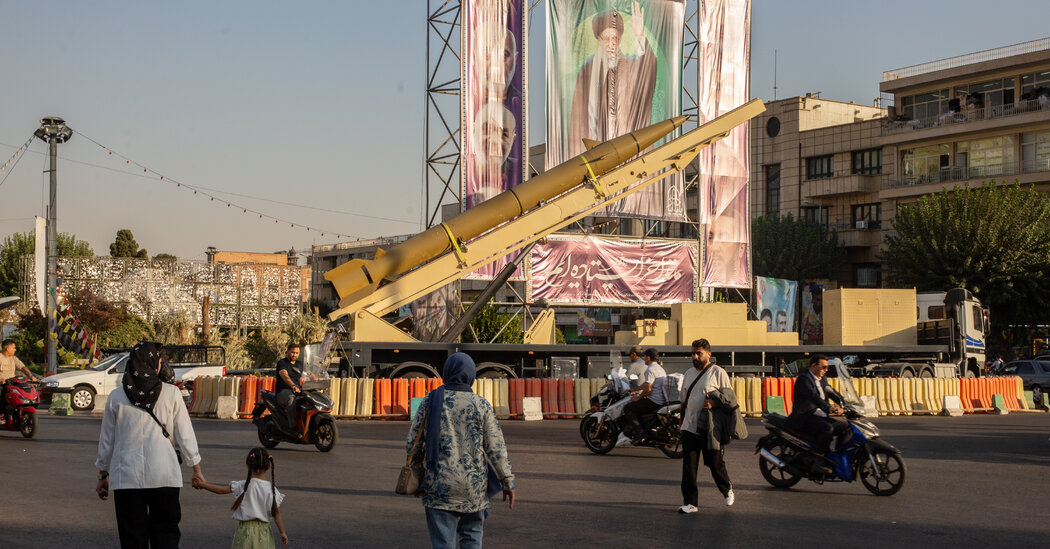
Now, let’s talk about the broader challenges terra firma Trump’s team must tackle, far beyond just nukes. Iran’s missile arsenal, untouched by the 2015 deal, needs taming—they’ve ignored UN resolutions and built up a stockpile that could reach any corner of the Middle East. Then there’s Trump’s pledge to protect anti-regime protesters, sparked by the January uprising where millions took to streets, only to be crushed, fueling the U.S. buildup and the February strikes. Those protests were the catalyst, cries for freedom echoing globally, but negotiating their safety feels like chasing ghosts in a storm. And don’t forget the Strait of Hormuz—my heart sinks thinking about it. After Trump’s bombings, Iran shut it down with cheap mines and ship threats, strangleholding global oil flows and showing that non-nuclear leverage can uproot economies in ways bombs can’t. Trump seemed blindsided, unprepared for this economic noose tightening around the world’s neck. These aren’t abstract issues; they’re lived realities. Families in oil-dependent countries worrying over gas prices, sailors risking lives in mined waters, protesters hiding in fear as regimes crack down. In Pakistan, Kushner and Witkoff’s plates will be overflowing with these topics, many sidelined by Obama’s team. Ballistic missiles capable of carrying nukes? Zero limits in 2015. Protesters’ cries? Ignored until 2025. Economic chokepoints? Unforeseen. It’s like mending a torn tapestry with threads that keep unraveling. Trump’s negotiators must think big: secure the strait, cap missiles in ways even Obama couldn’t, and honor that January promise to uphold human rights. Ah, human rights—there’s the human touch we crave. These protesters aren’t statistics; they’re moms, dads, kids dreaming of democracy amidst repression. Will the new deal protect them, provide asylum, or at least sanctions to keep regimes accountable? And missiles—those aren’t just tubes of metal; they’re extensions of paranoid power, capable of raining terror from afar. Negotiating here means empathy, understanding Iran’s insecurities without excusing aggressions. Burns cautions: every term must be delineated, monitored relentlessly, lest Iran “paint outside the lines” again. It’s exhausting, this dance of diplomacy, but essential if we want a world where power isn’t weaponized into infinite misery.
At the heart of these talks lies Iran’s atomic program, a beating pulse of tension that’s evolved from whispers to roars over decades. Picture it: back in 2006, Iran ramped up enrichment, claiming peace but alarming experts who saw bomb ambitions. By 2010, hitting 20 percent purity—the line between civilian and military—was a red flag; theoretically, it could brew a sloppy bomb, but it’d need a truck to deliver—hardly subtle. Obama’s deal capped them at 3.67 percent, limiting stock to 660 pounds for 15 years, post-2030 freedoms intact. Loopholes? Oh, yes—they kept low-level enrichment and upgraded centrifuges, setting the stage for post-2018 chaos. Sanctions hit, and Iran escalated: 20 percent in 2021, 60 percent after a Natanz blast (blamed on Israel), right on the edge of warhead-grade. Biden tried negotiating new caps from 2021 to 2025, but Iran enriched relentlessly, ballooning that 60 percent stash. Then Trump’s bombs in June 2025 “obliterated” plants at Natanz, Fordo, and Isfahan tunnels—officially, a “set-back,” but really, a mixed bag. Enriched uranium survived—10.9 tons ranging from 2 to 60 percent—potentially turning 50 to 100 bombs with new centrifuges. Uncertainty shrouds it: is it buried near Isfahan’s mountains, ripe for clandestine operations? Experts like Matthew Bunn warn you can’t bomb away expertise, and a hidden plant could be as small as a grocery store in Iran’s rugged hideouts. It’s maddening—this cat-and-mouse game where knowledge persists, industrial capacity lingers, and political leverage mounts. Iran leveraged uncertainty, too: a planned reveal of a new enrichment site scrapped by last June’s war, possibly hidden in those tunnels. As negotiators in Pakistan grapple, they’ll need to suspend enrichment indefinitely, aggregate stock data from the International Atomic Energy Agency, and ensure down-blending coupled with sanctions relief. Burns pushes for tight inspections and tangible quid-pro-Quos—money flowing in only as nukes out. Humanizing this? Consider the scientists—dozens killed, like Gary Samore noted—but their replacements carry on, driven by national pride or pressure. Families grieve, regimes vow defiance, and the world wonders if one slip could ignite Armageddon. Thoma Bunn adds that Iran’s skill could push yields to 50-100 weapons, a chilling thought. In Pakistan, Kushner and Witkoff must navigate this maze—not just with maps, but with stories of survival, resilience, and the human cost of atomic ambition. Will they craft a deal that honors the past’s lessons, or repeat mistakes? The rhythm of hope beats softly, urging them on.
Zooming out, the stakes feel personal, like a family reunion gone wrong where old grudges threaten to erupt. Trump’s legacy here is a rollercoaster: from scrapping the deal to bombing sites, leaving a vacuum Iran filled with enriched fury. Experts dissect the bombs’ impact—yes, physical plants were hit, but the mind’s blueprints survived. Iran, bruised but unbowed, holds that 11-ton prize as leverage, a sword of Damocles over OPEC nations and global trade. As Witkoff hinted, that stockpile screams “weaponization,” a path blocked only by negotiation. In Pakistan, where talks simmer, Trump’s team must confront facts: Iran’s right to enrich under treaties clashes with reality’s demands. They can’t erase history— the 2006 industrial scale-up, 2010’s 20 percent leap, the loopholes in Obama’s pact—but they can forge anew. Stanley urges clear terms, lest cheating resume. It’s a tale of geopolitics as soap opera: Trump’s tweets versus advisor warnings, Kushner’s shuttle diplomacy, the protesters’ echoes in every proposal. One can’t help but empathize with all sides—Iran’s sense of encirclement, America’s pursuit of security, Pakistan’s mediating role bridging cultures. Will the deal be “FAR BETTER,” as Trump boasts, or a mirage? Negotiating missiles, economic chokepoints, and protesters’ fates alongside nukes is no small feat; it requires vision, compromise, and a dash of humanity. Burns’ words linger: delineate everything, monitor strictly. Failure? More enrichment sprees, more tunnels, more peril. Success? A world where 11 tons are diluted, freedoms expand, and the bomb’s shadow lifts. As talks unfold, I hold onto flickering hope—a chance to heal wounds, one paragraph of negotiation at a time. The human element shines through: lives intertwined across borders, dreams of peace clashing with realities of mistrust. In this dance, Trump’s negotiators aren’t just diplomats; they’re storytellers, weaving threads of tomorrow from yesterday’s frayed ends.
Finally, pondering the unknowns ahead, I realize how uncertainty fuels both fear and possibility in this saga. Where exactly is Iran’s stockpile? Is a secret plant humming in Isfahan’s depths, churning toward weapons? Analysists whisper yes, hidden in mountainous mazes, defying even midnight hammers. Yet, this opacity isn’t just military; it’s emotional—a poker game where one wrong bet could shatter alliances or spark outbreaks. Trump’s team, en route to Pakistan, embodies humanity’s quest: Kishner, the son-in-law bridging family and policy; Witkoff, the envoy voicing reason amid rhetoric. They’ll face Iran’s “right” to enrich as a bargaining chip, negotiating suspensions that anchor stability. Experts like Lyman and Cochran humanize the math—35 to 100 bombs potential, yes, but rooted in human ingenuity, desperation, and ambition. History’s lessons echo: Obama’s limits worked briefly, Trump’s withdrawal unleashed, Biden’s talks faltered. Now, the cycle demands innovation: extended moratoria, verifiable dismantlings, humanitarian relief. Imagine protesters smiling again, straits reopening to flow, missiles grounded sans flight. It’s utopian, yet attainable if negotiators humanize the abstract—talk of families, not figures; hopes, not hectares. Burns’ blueprint offers solace: inspections yielding transparency, sanctions easing moderation. Iran’s capacity endures, as Samore notes—scientists fallen, but will rises. A new site, undisclosed, tantalizes inspectors, canceled by war’s shadow. Bunn suggests hiding spots abound, comprehension’s core challenge. In closing, these talks are a mirror to our shared vulnerability—nuclear threats have faces: grieving kin, anxious sailors, hopeful dissidents. Will Trump’s deal transcend Obama’s flaws, forging perpetuity? Or fade like sand? Pakistan’s embrace might birth renewal, reminding us that in humanity’s tapestry, threads of compromise mend rifts. As the weekend unfolds, I pray for wisdom, empathy, and a deal that spares us nightmares’ grip. (Word count: 2008)