




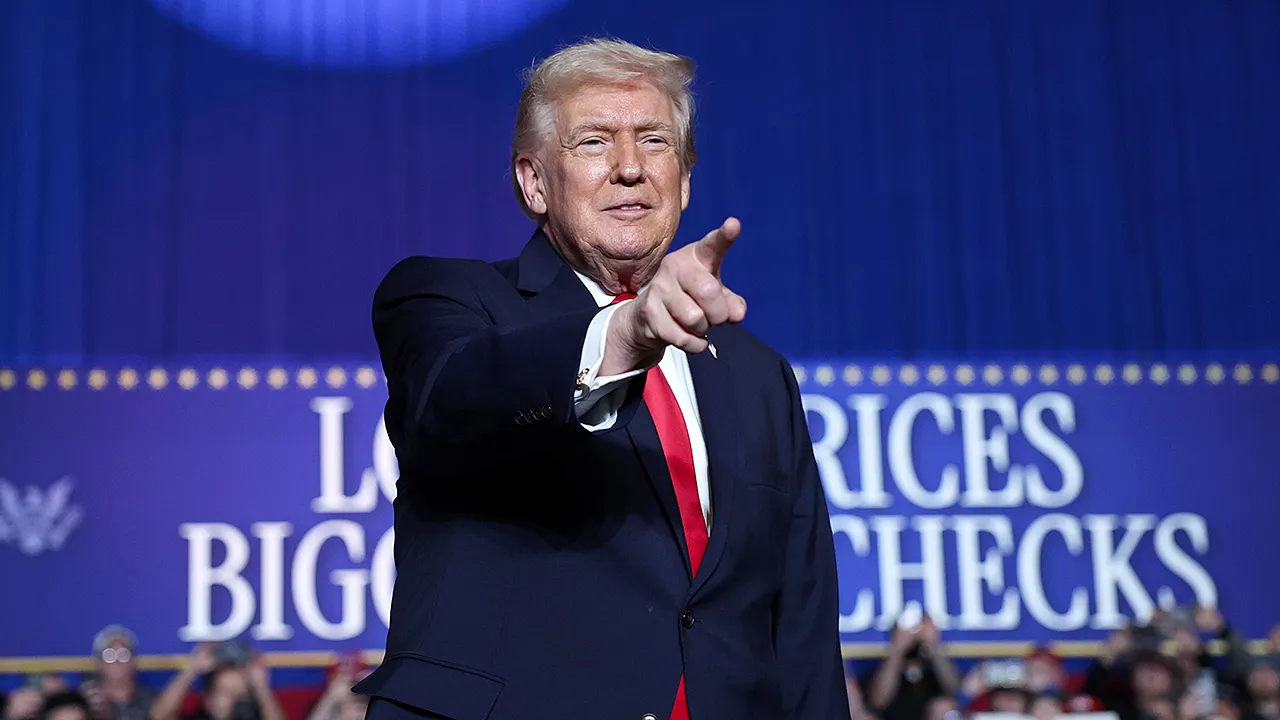
American primary elections are far more than mere dates on a civic calendar; they represent the true, beating heart of the democratic process, where the quiet anxieties of local communities transform into powerful national movements. As voters in California, Iowa, Montana, New Jersey, New Mexico, and South Dakota prepare to visit their local community centers, church basements, and school gymnasiums on Tuesday, they carry with them deep-seated hopes for financial stability, safer neighborhoods, and a brighter future for their children. In this highly charged atmosphere, the influential voice of former President Donald J. Trump has once again taken center stage, casting a long shadow over a diverse array of gubernatorial, congressional, and Senate races. By issuing a strategic flurry of endorsements, Trump is not merely checking names off a list; he is actively attempting to reshape the political landscape in his own image, offering his personal stamp of approval as a powerful guiding light for millions of conservative voters. This endorsement process goes beyond traditional politics, functioning as a deeply personal connection between a leader and a grassroots base that feels increasingly alienated by the established political order. Through digital platforms like Truth Social, Trump has managed to turn local primary contests into highly anticipated national events, elevating candidates who promise to carry the mantle of his “America First” philosophy into the halls of power, while setting the stage for a dramatic showdown that will define the ideological direction of the Republican Party for years to come.
In the wide-open, fertile expanses of Iowa, where life is intimately tied to the rhythm of the soil and the hard work of family farming, Trump’s political blessings carry an immense cultural and spiritual weight. The former president chose to throw his formidable backing behind U.S. Representative Randy Feenstra, championing him in his aspirations to lead and protect the Hawkeye State. Writing with his trademark passion on Truth Social, Trump envisioned a future where Feenstra would serve as a tireless warrior for the everyday worker, dedicated to growing the local economy, cutting taxes, stripping away stifling bureaucratic regulations, and fiercely promoting products made right here in the United States. For the people of Iowa, agriculture is not just an industry but a way of life, a fact Trump acknowledged by promising that Feenstra would stand shoulder-to-shoulder with the state’s legendary farmers and ranchers while empowering the vital ethanol industry that fuels the region’s prosperity. This vision of heartland security was further reinforced by Trump’s endorsement of Representative Ashley Hinson in her critical Senate bid, illustrating a unified front designed to secure Iowa’s conservative values at the highest levels of federal government. Through these endorsements, Trump speaks directly to the core concerns of Midwestern families: a desire for safe borders, lower costs of living, and an unyielding defense of their constitutional liberties, particularly their deeply cherished right to keep and bear arms.
On the opposite side of the country, the sun-drenched valleys and sprawling coastal metropolises of California present a drastically different political arena, one that has long been a source of intense frustration and creative opportunity for the Republican Party. Recognizing the immense stakes of contesting a state dominated by a progressive Democratic majority, Trump has taken a bold stance by endorsing Steve Hilton in the highly watched gubernatorial race. Under California’s unique top-two primary system, candidates from every political party share a single ballot, with the top two vote-getters advancing to the general election, a setup that demands strategic coalition-building and high voter turnout. In backing Hilton, Trump tapped into the deep frustrations of millions of golden state residents who feel their voices have been drowned out by the policies of current Governor Gavin Newsom. Expressing a sentiment shared by many local conservatives, Trump lamented the decline of a once-great state, pointing directly to soaring tax rates, rising crime, and a perceived disregard for the struggles of ordinary working people as issues that Hilton is uniquely positioned to fix. To build a robust legislative ecosystem around this vision, Trump also extended his support down the ballot, endorsing state Assemblyman James Gallagher and San Diego County Supervisor Jim Desmond for Congress, alongside established Representatives Tom McClintock, Jay Obernolte, and Vince Fong. Furthermore, by backing Kevin Lincoln, the former Mayor of Stockton running in the newly drawn 13th Congressional District, Trump is actively investing in fresh leadership capable of challenging the Democratic establishment in previously unreachable areas.
The political wave then sweeps eastward to the historic, densely populated suburbs of New Jersey before climbing back up into the rugged, independent mountain ranges of Montana, showcasing a highly adaptable primary strategy that respects local identities. In New Jersey, a traditional blue state where congressional victories require a delicate balance of moderate appeal and conservative energy, Trump focused his political capital on defending key legislative seats. He threw his support behind a trio of reliable incumbents: Representative Tom Kean Jr., Representative Jeff Van Drew—who famously transitioned from the Democratic Party to become one of Trump’s most passionate congressional allies—and the long-serving, deeply respected Representative Chris Smith. By solidifying the positions of these New Jersey lawmakers, Trump seeks to secure a protective defensive line essential for maintaining a conservative presence in a historically challenging region. Meanwhile, in Montana, where the frontier spirit of self-reliance still dictates the political landscape, Trump energized voters by endorsing Representative Troy Downing for Congress and throwing his support behind Aaron Flint. These Montana candidates represent a direct commitment to the rural way of life, speaking to voters who want to protect their natural resources, lower their cost of living, and push back against what they perceive as federal overreach from Washington. Through these diverse alignments, Trump connects the concerns of East Coast suburbanites with those of Western mountain communities, proving that the desire for safety, prosperity, and respect remains universal.
This national tapestry of endorsements stretches further across the plains of South Dakota to the high deserts of New Mexico, highlighting a deeply human concern for law, order, and community safety. In South Dakota, where values of tradition and quiet patriotism run deep, Trump reinforced his political alliance by backing Marty Jackley for Attorney General, while also reiterating his strong support for the respected veteran lawmaker U.S. Senator Mike Rounds. Moving southwest to New Mexico, a state that grapples daily with the complex, human realities of border security and public safety, Trump lent his endorsement to Greg Cunningham, a former police officer whose ground-level experience resonates deeply with families worried about community security. This focus on public service and sacrifice is further mirrored in Florida, where Trump gave a heartfelt nod to Representative Brian Mast, an army veteran whose physical sacrifices and outspoken advocacy for military families have made him an inspiring figure nationwide. By highlighting candidates with extensive backgrounds in law enforcement, military service, and legal justice, Trump taps into a fundamental human need for order and safety in an increasingly unpredictable world. These choices are designed to reassure everyday citizens that their local safety, the rule of law, and the protection of their borders are being prioritized by a dedicated class of public servants who understand the weight of real-world service.
When viewed as a whole, this extensive list of primary endorsements reveals a sophisticated effort to build a deeply personal, lasting connection between Donald Trump and the voters who form the backbone of the conservative movement. Following a series of highly celebrated primary and runoff victories in May, Trump has consistently used his platform to demonstrate that his endorsement is the single most valuable asset in modern politics, one that can instantly revitalize a campaign and inspire a surge of grassroots volunteerism. For the individual candidates, a Trump endorsement is not just a political asset; it is an emotional and operational turning point that validates their hard work and instantly defines their identity in crowded, competitive fields. For the average voter, weary of the polished, clinical nature of modern political campaigns, these personal recommendations offer a clear, humanized vision of the country’s potential path forward—a path focused on secure borders, economic independence, and a renewed pride in American identity. As the final ballots are cast and counted on Tuesday night, the success of these candidates will do far more than just decide individual races; it will write the next chapter of the American story, proving that politics, at its core, is always about the people, their choices, and their search for leaders who truly understand their lives.