





The Midnight Crucible: A Fresh Flashpoint in the Shadow War
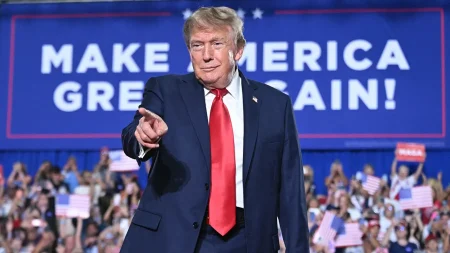
The twilight skies over the Persian Gulf have once again transformed into a kinetic theater of geopolitical confrontation, igniting worries of an uncontrollable escalation in a region already balancing on a razor’s edge. Following a highly coordinated, multi-theater exchange of overnight attacks between U.S. forces and Iranian-backed assets, President Donald J. Trump issued a resolute and uncompromising declaration from the Oval Office, vowing that the United States will not merely absorb these provocations but will actively intensify its military pressure on Tehran. This latest surge in hostilities represents a volatile shift in the long-simmering proxy conflict, signaling to both allies and adversaries that Washington’s threshold for military tolerance has reached its absolute limit. As military assets across the region are placed on high alert, the President’s assertive rhetoric has set a stark tone for the administration’s foreign policy, suggesting that the United States is prepared to use every tool in its arsenal—from sophisticated cyber warfare to raw, kinetic airpower—to permanently degrade Iran’s regional militancy. The atmosphere in Washington is charged with a mix of defiance and strategic urgency, as policymakers and military commanders scramble to translate the President’s directives into a sustainable campaign of deterrence that stops short of sparking an all-out regional conflagration. Meanwhile, the streets of Tehran and the corridors of its Islamic Revolutionary Guard Corps (IRGC) echo with matching belligerence, setting the stage for a dangerous game of brinkmanship where a single miscalculation could ignite a wider war that neither side publicly claims to want, yet both sides seem increasingly structured to provoke.
Anatomy of Retaliation: Decoding the Overnight Strikes
                  [THE CONFLICT THEATER]
                             │
     ┌───────────────────────┴───────────────────────┐
     ▼                                               ▼
[U.S. & Allied Assets] [Iranian-Backed Proxies]
• High-alert radar networks • Coordinated drone swarms
• Air defense batteries (Patriot) • Low-altitude cruise missiles
• Rapid-response fighter wings • Asymmetric strike capabilities
▲ ▲
└───────────────────────┬───────────────────────┘
│
[KINETIC EXCHANGE]
(Precision counter-strikes in western Iraq
and eastern Syria targeting IRGC assets)
The physical reality of this escalating conflict manifested in the dark early hours of Friday morning, when a series of synchronized explosions lit up the desert landscapes along the Iraq-Syria border, marking one of the most complex tactical exchanges witnessed in recent years. Intelligence briefings indicate that the host of overnight attacks began when a wave of Iranian-manufactured one-way attack drones and low-altitude cruise missiles was launched toward several joint coalition outposts, seeking to overwhelm the sophisticated air defense networks that protect American service members stationed in the region. Although the majority of these incoming threats were successfully intercepted by patriot missile batteries and rapid-response fighter wings, several projectiles breached the defensive perimeter, causing minor structural damage and inflicting casualties that, while non-fatal, immediately crossed a red line for Pentagon planners. The American response was swift, surgical, and devastating; within hours of the initial barrage, U.S. Central Command ordered a series of precision counter-strikes targeting a network of command-and-control nodes, unmanned aerial vehicle logistics facilities, and ammunition storage sites in western Iraq and eastern Syria linked directly to the IRGC’s Quds Force and its regional proxies. Satellite imagery obtained after the strikes revealed high-contrast plumes of black smoke rising from the targeted coordinates, confirming the destruction of key logistical hubs that Tehran has spent years establishing to facilitate its asymmetric warfare capabilities across the Levant. This rapid-fire sequence of strike and counter-strike highlights a chilling evolution in the tactical landscape, demonstrating that both the U.S. military apparatus and Iranian-backed networks are operating on highly compressed decision-making timelines, which drastically reduces the window available for diplomatic intervention or de-escalation.
The White House Doctrine: Maximum Pressure as a Strategic Lever
Within the broader historical arc of American foreign policy toward the Islamic Republic, President Trump’s renewed commitment to relentless military pressure represents the culmination of a deeply ingrained doctrine designed to isolate and weaken the regime through systematic containment. By merging aggressive economic sanctions—which have already severely crippled Iran’s domestic oil industry and restricted its access to the global financial system—with a highly visible and assertive military footprint, the administration aims to force Tehran into a defensive posture where its regional expansionist ambitions become financially and strategically unsustainable. This “maximum pressure” framework is built on the premise that any perceived weakness or hesitation on the part of the United States is interpreted by the clerical leadership in Tehran as an invitation to further aggression, making a robust and immediate show of force the only viable language of deterrence. White House strategists argue that previous attempts to engage Iran through diplomatic accommodation or conditional sanctions relief failed to curb its support for militant proxies in Yemen, Lebanon, Iraq, and Syria; instead, they assert, those policies provided the regime with the financial liquidity needed to modernize its ballistic missile programs and expand its influence. Critics of this heavy-handed approach, however, caution that the single-minded focus on military coercion risks creating a self-fulfilling prophecy of conflict, leaving the Iranian leadership with no viable diplomatic off-ramps and forcing them to rely on increasingly provocative actions to project strength and secure domestic survival in the face of mounting economic despair.
Regional Tremors: The Geopolitical Fallout Across the Middle East
┌─────────────────────────────────────────────────────────────────────────┐
│ REGIONAL REACTION MATRIX │
├───────────────────┬─────────────────────────────────────────────────────┤
│ Israel / Gulf │ • Welcome strong U.S. deterrence posture │
│ Cooperatives │ • See strikes as vital shield against regional proxy│
│ │ encroachment │
├───────────────────┼─────────────────────────────────────────────────────┤
│ Iraq / Jordan / │ • High anxiety over sovereignty violations │
│ Lebanon │ • Fear of becoming battlefields for external powers │
├───────────────────┼─────────────────────────────────────────────────────┤
│ Global Energy │ • Fear of disruptions in vital commerce choke points│
│ Markets │ (Strait of Hormuz transit volatility) │
└───────────────────┴─────────────────────────────────────────────────────┘
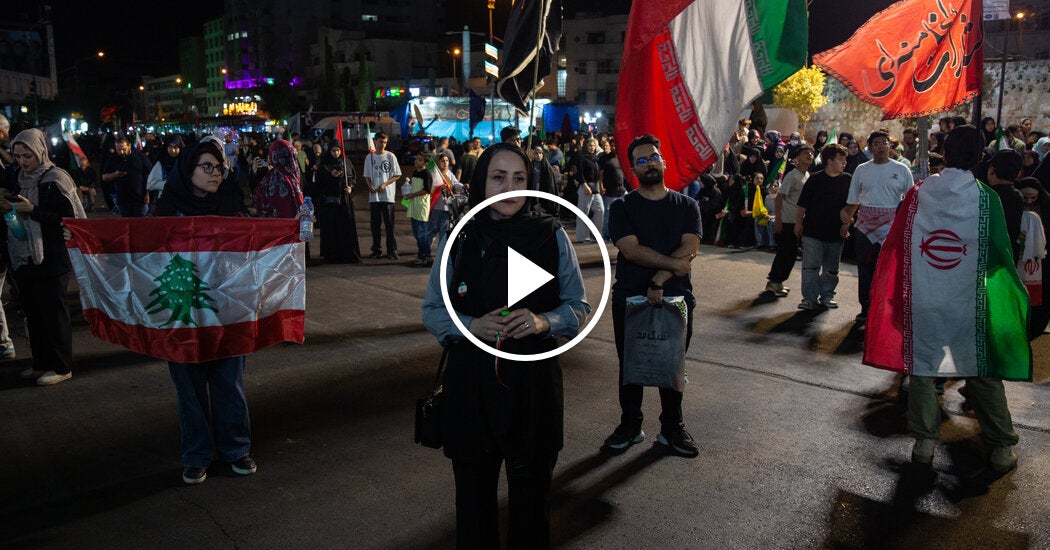
The structural shockwaves generated by the latest military clashes are reverberating far beyond the immediate battlefields of the Levant, fundamentally altering the calculus of key stakeholders across the Middle East and sending ripples of anxiety through the international community. For Washington’s traditional allies in the region, particularly Israel and the members of the Gulf Cooperation Council, the administration’s robust military stance is welcomed as a necessary and reassuring sign of America’s enduring security guarantees, serving as a vital shield against Iranian regional encroachment. Conversely, nations situated directly on the geopolitical fault lines—such as Iraq, which hosts both U.S. forces and powerful state-sanctioned Shiite militias—find themselves trapped in an agonizing diplomatic vice, struggling to preserve their national sovereignty while preventing their territory from becoming a kinetic battleground for external powers. At the same time, global energy markets have reacted with predictable volatility to the overnight exchanges, with crude oil futures ticking upward as traders assess the potential threat to critical shipping lanes, such as the Strait of Hormuz, through which a significant portion of the world’s daily petroleum supply passes. Intelligence agencies in neighboring states are operating under heightened alert, monitoring not only conventional military movements but also the elevated risk of asymmetric disruptions, including state-sponsored cyberattacks on critical infrastructure, maritime sabotage in the Gulf of Oman, and targeted localized assassinations. This fragile regional architecture is currently under its greatest stress test in years, as the traditional rules of engagement are rewritten in real-time, leaving diplomats to navigate a highly volatile environment where even the most localized tactical action can trigger cross-border consequences of historic proportions.
Domestic Divisions: Congress and the Constitutional Battle Over War Powers
As the physical fires of the conflict burn in the Middle East, a secondary geopolitical struggle of equal intensity is unfolding beneath the dome of the U.S. Capitol, where lawmakers are sharply divided over the strategic wisdom and constitutional legality of the administration’s military operations. Defense hawks and staunch allies of the President have quickly rallied behind his decisive stance, praising the rapid deployment of retaliatory assets as a masterful exercise in national defense that sends an unmistakable message to authoritarian regimes worldwide that American lives are a non-negotiable red line. In contrast, many congressional Democrats and a growing faction of non-interventionist Republicans are expressing deep reservations, warning that the administration’s aggressive posture may cross the boundary into unauthorized hostilities without formal congressional consent. This brewing legislative battle centers on the historic War Powers Resolution of 1973, with critics demanding that the White House present a comprehensive, long-term strategy to Congress and seek specific legislative authorization before committing additional forces to what could easily devolve into a long, costly, and bloody regional campaign. Scholars of constitutional law and defense analysts are closely observing this domestic dispute, noting that the lack of political consensus in Washington not only weakens America’s diplomatic standing abroad but also signals to foreign adversaries that the nation’s political resolve is deeply fragmented, a vulnerability that clever opponents in Tehran could exploit to undermine the effectiveness of U.S. military deterrence.
The Path Ahead: Brinkmanship, Diplomacy, and the Fragile Search for Peace
As both Washington and Tehran digest the tactical outcomes of their latest confrontation, the international community remains gripped by a central, haunting question: how does this cycle of escalation end if neither side is willing to back down or offer a credible diplomatic gesture? While President Trump’s vow to maintain unrelenting military pressure is intended to compel Iran to negotiate a comprehensive new security agreement on U.S. terms, the historical resilience of the regime suggests that pressure alone is unlikely to force a capitulation, but may instead drive Tehran’s leadership to accelerate its uranium enrichment and double down on its asymmetric defense doctrine. This dynamic creates a highly volatile feedback loop, where every defensive reaction by one party is interpreted as an offensive provocation by the other, steadily eroding the informal guardrails that have kept the forty-year-old cold war between the two nations from erupting into a direct, catastrophic conflict. True de-escalation will require more than just the lethal precision of high-tech weaponry; it demands a sophisticated, multi-lateral diplomatic framework capable of addressing the root causes of regional instability, including proxy networks, maritime security, and nuclear proliferation. Until such a path is forged, the world must watch as two powerful nations engage in a high-stakes, real-time exercise in strategic brinkmanship, hoping against hope that the cold logic of deterrence will prevail over the unpredictable, hot winds of war, and that the next midnight exchange of strikes does not become the opening salvo of a tragic global conflict.