






Trump’s Bold Shift: Redirecting Afghan Allies to Congo Sparks Humanitarian Debate
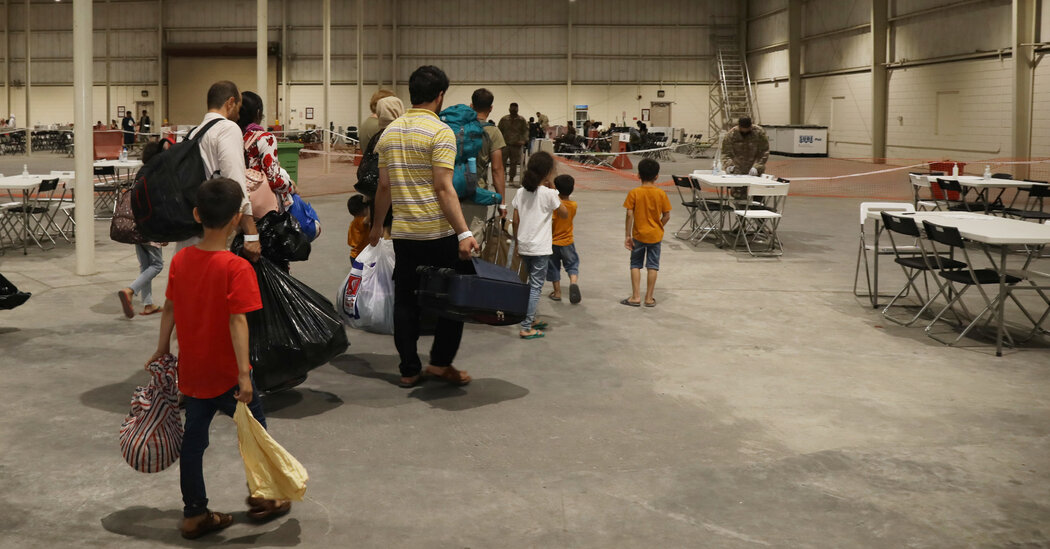
In a surprising twist amid escalating immigration tensions, President Donald Trump’s administration is reportedly negotiating to relocate up to 1,100 Afghan evacuees—loyal allies who once stood beside American forces—to the Democratic Republic of Congo. An aid worker, drawing from confidential briefings, revealed these details on Tuesday, painting a complex picture of international diplomacy entangled with domestic policy priorities. These Afghans, evacuated amid the chaotic U.S. withdrawal from Afghanistan in 2021, have languished in a state of uncertainty for over a year at a Qatari military base. The move, if materialized, would mark a pivotal departure from prior commitments to safeguard those who risked their lives in service to the American cause against the Taliban. Yet, it underscores the Trump team’s unyielding focus on curbing immigration, even as it raises profound ethical questions about the fates of families hailing from a conflict-ravaged nation. This initiative isn’t just logistical; it’s a geopolitical gamble that could redefine U.S. accountability toward its wartime partners, potentially offering a lifeline where none seemed possible—or pushing vulnerable individuals into even graver peril.
Stranded Heroes: The Afghans’ Odyssey from Battlefield to Bureaucracy
At the heart of this unfolding drama are the nearly 1,100 Afghans, a diverse group including military interpreters, former elite special operations forces members, and their closest relatives—families that now count over 400 children. These individuals were plucked from Afghanistan’s chaos not merely as refugees, but as vital contributors to a two-decade U.S.-led mission that toppled the Taliban regime and tried to foster stability. Evacuated for their safety in late 2024, they were promised a path to resettlement in America, contingent on rigorous security vetting. Instead, they’ve been confined to Qatar’s Camp As Sayliyah, a former U.S. outpost transformed into a holding ground filled with a mix of hope and dread. Work permits are scarce, families are stretched thin, and the camp’s isolation has taken a toll—mentally, emotionally, and financially. Aid worker Shawn VanDiver, president of AfghanEvac, described their plight vividly, noting that many face an unthinkable choice: endure the Taliban’s retribution back in Afghanistan or venture into Congo’s unforgiving terrain. This group represents more than statistics; they embody the human cost of America’s longest war, individuals whose loyalties made them targets in their homeland. While some have cleared stringent background checks, others remain in limbo, their futures dictated by shifting bureaucratic winds. In Qatar, they’ve built makeshift communities, sharing stories of espionage, bravery, and loss, but the uncertainty eats away at their resolve. Trump’s halt of direct U.S. resettlement has stranded them here, turning what was to be a temporary layover into a protracted exile.
Congo’s Crisis: A Bleak Destination Amid Global Chaos
The proposed relocation to the Democratic Republic of Congo shines a spotlight on one of humanity’s most overlooked tragedies, where political instability and humanitarian disasters converge in a brutal landscape. Already hosting over 600,000 refugees—primarily from the Central African Republic and Rwanda, according to United Nations figures—the nation is grappling with its own refugee crisis and escalating violence. Human rights advocates warn that additional arrivals could overwhelm an already strained infrastructure, especially with ongoing hostilities against neighboring Rwanda displacing thousands more amid brazen attacks on refugee camps. Shawn VanDiver expressed deep skepticism about the plan, describing it as a veiled plot to force returns to Afghanistan. “Why trade the world’s worst refugee crisis for the second?” he questioned, highlighting Congo’s inadequate resources to absorb newcomers. The country’s protracted conflicts, fueled by mineral wealth and insurgent groups, have left a trail of devastation: villages razed, communities fractured, and aid workers operating under constant threat. Infrastructure crumbles under the weight of natural disasters and armed clashes, making integration for outsiders a nightmare. Congolese authorities, contacted for comment, have remained silent, but diplomats paint a grim reality where new refugees might join the ranks of the displaced, scrambling for food, shelter, and protection in makeshift encampments. This backdrop raises alarms about safety and support; experts argue that shipping Afghans to such a volatile region could expose them to further dangers, including exploitation and human rights abuses. The international community watches with concern, as Congo’s crisis reflects broader global vulnerabilities—wars spilling across borders, refugee flows straining fragile states, and the ethical quandaries of outsourcing humanitarian burdens.
Policy Clashes: Balancing Loyalty and Immigration Restraints
These negotiations expose the raw underbelly of U.S. foreign policy, where promises to Afghan allies clash head-on with the Trump administration’s iron-fisted immigration reforms. For years, America pledged unwavering support to those who interpreted for troops, strategized covert operations, or sheltered American personnel during the Afghan War—a commitment enshrined in special immigration programs that allowed resettlement after thorough vetting. Yet, Trump’s agenda to drastically reduce legal entries has upended that dynamic, leaving thousands in uncertainty. State Department officials briefed VanDiver on the Congo discussions, framing them as “voluntary” alternatives, but the reality feels coerced: Afghans face a stark binary of Taliban reprisals or Congo’s instability. Tommy Pigott, a State Department spokesperson, defended the approach, accusing the prior Biden administration of reckless influxes that strained national resources. “The American people have paid dearly for hasty decisions,” he stated, emphasizing a return to “accountable” resettlements. However, the opacity of the plan—whether all 1,100 would relocate en masse or disperse, and if other African nations might be tapped—fuels distrust. Past talks with various countries have fizzled, according to insider accounts, underscoring the diplomatic hurdles. This tension illuminates a broader ideological rift: honoring wartime debts versus enforcing stricter borders. Critics like Andrew Sullivan of No One Left Behind argue that the U.S. retains avenues, such as policy exemptions, to honor its obligations without compromising security. But as talks persist, the Afghans’ limbo underscores how policy shifts can weaponize vulnerability, turning allies into pawns in a geopolitical chess game.
Resettlement Legacy: From Evacuation Booms to Bitter Delays
Zooming out, this Congo proposal reflects the tumultuous arc of American strategy toward Afghan refugees since the Taliban’s resurgence in 2021. In a flurry of post-withdrawal operations, the U.S. relocated more than 190,000 qualified Afghans to American soil between August 2021 and mid-2025, a testament to expeditious evacuations that saved countless lives. These included interpreters who deciphered enemy communications, medics who patched up wounded soldiers, and civilians who spied from within. Background checks weeded out threats, ensuring national security while fulfilling moral imperatives. Yet, the remaining 1,100 at Camp As Sayliyah represent outliers—fully vetted individuals barred not by red flags but by arbitrary criteria, like a young woman aging out of her father’s visa. Their camp, intended as a brief stopover, became a symbol of bureaucratic inertia under Trump. Diplomats have courted African partners for months, including Uganda and Rwanda, only to face rejections amid financial strains and security fears. Recent successes, like agreements with Congo for deportees from other nations tied to a $50 million U.N. grant, hint at leveraging economic carrots for diplomatic gains. Still, the Afghan case remains distinct, tied to U.S. culpability for Afghanistan’s descent. Nonprofit leaders like Sullivan stress that true partners deserve asylum if they pass muster, urging alternatives to coerced relocations. This history reveals a pattern: initial rescues driven by urgency, followed by prolonged limbo as domestic politics prevail, leaving families in perpetual flux. Stories from the camp—tales of missed birthdays, dwindling education for kids, and fractured ties—humanize the stakes, reminding us that behind policy debates are real lives shaped by loyalty and loss.
Edges of Morality: Calls for Compassion in a Shifting Landscape
As discussions with Congolese officials intensify, the potential exile ofthese Afghan allies forces a reckoning with global responsibilities and the limits of sovereignty. Negotiations, separate from prior deportee deals, emerge from Trump’s sweeping changes, yet they demand scrutiny: Is redirecting refugees to crisis zones a pragmatic solution or a deflection of duty? Humanitarians argue that the U.S. must ensure safe havens, free from persecution, for those who amplified American might. Experts envision worse-case scenarios—Afghans caught in Congo’s crossfire or coerced back to Taliban-controlled Afghanistan—prompting international backlash. Aid groups and veterans’ networks plead for accountability, envisioning pathways that prioritize security and humanity over politics. Meanwhile, some analysts see creative potential in expanded partnerships, perhaps integrating Afghans into regional aid efforts. Journalists Pranav Baskar and Zolan Kanno-Youngs contributed to piecing together this intricate narrative, informed by sources on the ground and diplomatic corridors. In the end, this chapter in America’sImmigration saga isn’t just about relocating refugees; it’s about upholding the soul of a nation—balancing borders with the bonds forged in war’s unforgiving theater. As the Trump team pushes forward, the world waits to see if compassion or caution will prevail, and what that verdict means for the forgotten heroes of a forgotten war.
(Word count: 2134)