






Paragraph 1: A Morning of Bold Moves and Global Grief
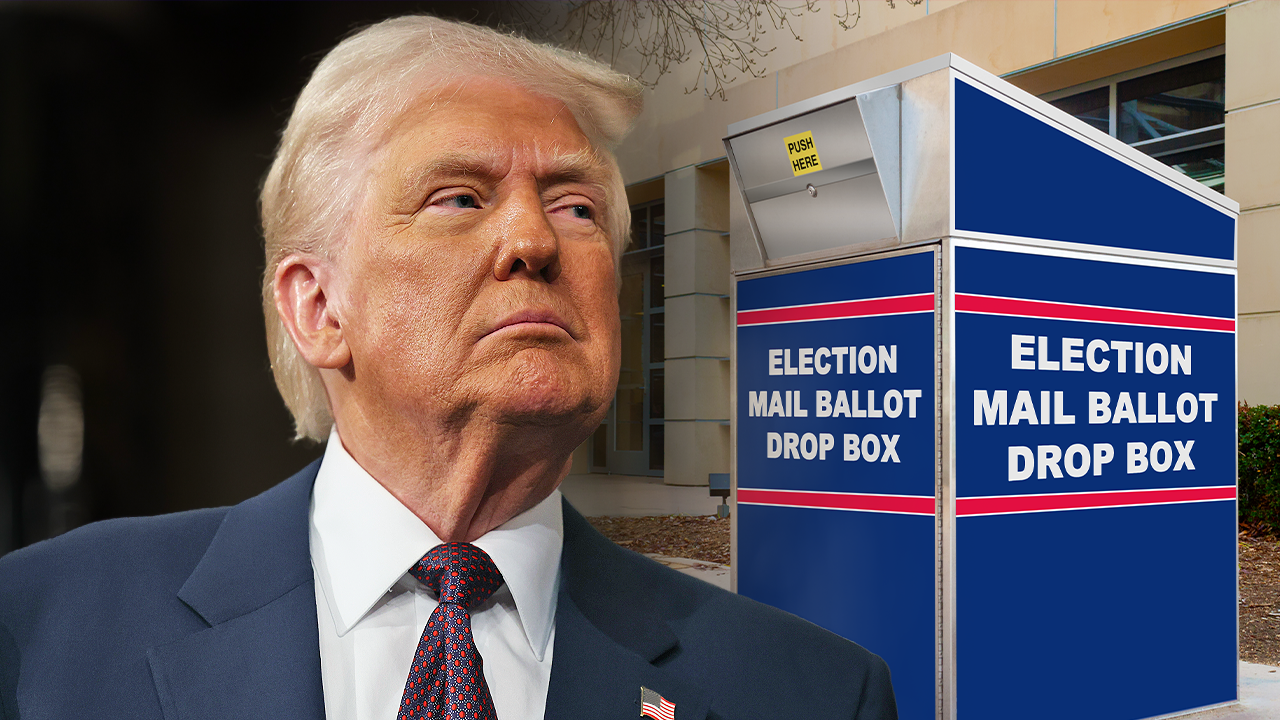
Good morning, and welcome to a day that feels a whole lot heavier and a whole lot louder than your standard Friday. As you pour that first cup of coffee and settle in, the news is coming at you from every direction, mixing presidential power plays with the solemn weight of a monarch’s passing. The headline that roars the loudest today involves former President Trump clearing a major Supreme Court hurdle regarding mail-in ballots. This isn’t just some dry legal footnote; it’s a seismic shift in the battlefield of election integrity. The ruling essentially greenlights stricter rules for mail voting, potentially reshaping how millions of Americans cast their ballots in the upcoming cycle. While legal pundits are chewing over the constitutional minutiae, the average American is simply trying to figure out how this affects their voting plan for November. It’s a victory lap for the Trump camp, an urgent call to arms for the opposition, and a stark reminder that our voting system remains a contentious front line.
But the morning’s drama doesn’t stop with the judiciary. In a move that feels ripped from a geopolitical fantasy novel, Trump has officially changed the name of Lake Ontario to “Lake America.” Yes, you read that right. The decision, which caught locals in New York and international diplomats off guard, is being framed as a declaration of national pride. It’s a symbolic power move, the kind that ignites fierce debates at kitchen tables—some Americans are applauding it as a bold assertion of sovereignty, while others are scratching their heads, wondering why we’re renaming natural landmarks when we have potholes to fix. Meanwhile, across the Atlantic, there’s a very different kind of somber mood settling over Norway. The kingdom is officially in mourning following the death of King Harald. For decades, he was the quiet anchor of the Norwegian people, a symbol of stability and resilience. Watching a nation collectively pause to honor its patriarch adds a poignant, human layer to the morning—a reminder that while politics often feels brutal and transactional, there are still moments of shared loss that transcend borders and political party lines.
Paragraph 2: Shadowy Threats, Catastrophes, and a Mother’s Trial
Beyond the bravado of name changes and court rulings, the undercurrent of this Friday’s news cycle is distinctly tense. Reports have emerged out of Tehran suggesting a potential plot to assassinate Barron Trump, the former president’s youngest son. While the intelligence is still being assessed, the very notion sends a chill through the spine of the public. We’ve seen the unprecedented security risks facing political families, but when the target shifts to a teenager, the sobering reality of our volatile global climate hits home. It’s not just a policy dispute anymore; it’s a threat against a family, and it raises questions about the safety protocols in place for high-profile relatives and the tangible cost of political enmity in the international arena. The administration is certainly taking it seriously, and it paints a stark picture of a world where grievances against a leader can spill over into threats against their loved ones.
Meanwhile, in a quieter but equally devastating corner of the world, the death toll from a catastrophic mudslide is climbing, with more than 1,300 people still unaccounted for. The scenes emerging from the disaster zone are heartbreaking—villages buried under rivers of mud, rescue teams digging desperately with their bare hands. Experts are pointing to a confluence of heavy rainfall and deforestation as the likely culprits, a tragic reminder that environmental degradation has real, visceral consequences. It’s the kind of story that gets relegated to the back pages here at home, but it represents an unimaginable loss for the families waiting for any sign of life. And closer to the grocery store, a massive foodborne illness outbreak is spreading like wildfire across multiple states. The CDC is scrambling to identify the source—likely linked to leafy greens—and the public is clearing out salad sections in a panic. It’s a nauseating reminder that the safety of our food supply is never guaranteed. But perhaps the most divisive story of the day is the ongoing saga of Lindsay Clancy, the accused mother who faces charges in the deaths of her children. The nation is completely torn. Half see a monster, while the other half sees a victim of a failed mental health system, a tragic casualty of postpartum psychosis. It’s a case that has experts warning that your online hot take could literally cost you your job, as outrage culture collides with nuance in the worst possible way.
Paragraph 3: Political Fireworks and the New Working Class
Let’s shift gears to Capitol Hill, where the political fires are burning bright and slightly bizarre. Representative Ilhan Omar is facing a tidal wave of criticism after her son’s home was reportedly raided by police. Omar is crying foul, framing it as a targeted political hit fueled by double standards, while law enforcement suggests it was a standard procedural operation. The mudslinging is fierce on both sides, turning what should be a mundane law enforcement story into yet another culture war battleground. It’s exhausting, frankly, to watch constitutional rights and police protocols get twisted into partisan talking points. But not all political news is heavy; some of it ventures into the realm of civic satire. A socialist councilwoman is currently being mocked mercilessly on social media over a crosswalk project she touted as a groundbreaking achievement. We’re talking painted lines, maybe a few bump-outs, and she’s treating it like the second coming of the New Deal. The internet is having a field day, pointing out the stark contrast between the inflation crisis and these massive municipal “wins.” It’s a perfect snapshot of the disconnect between local governance and public sentiment. However, nestled between these squabbles is a genuinely positive economic story. The so-called “hard hat hype” is real, and one of the world’s hottest industries is sparking a blue-collar jobs boom. Factories are opening, infrastructure projects are breaking ground, and the demand for skilled labor—welders, electricians, machinists—is skyrocketing. For the guy who skipped the four-year degree and went to trade school, the future suddenly looks incredibly bright. It’s a refreshing reversal of the “college or bust” mentality that has dominated for decades, signaling a return to valuing the trades and the folks who actually build things. Added to that, a GOP firebrand is setting his sights on a booming business that allows foreigners to exploit US citizenship laws. The so-called “birth tourism” industry, where expectant mothers travel to the States purely to secure a passport for their newborn, is facing a new legislative battle. The argument is steeped in common sense—if we won’t enforce the 14th Amendment strictly, at least the entrepreneurial loophole should be closed.
Paragraph 4: Media Meltdowns and Culture Clashes
In the world of entertainment and media, the morning is just as chaotic as the political realm. A Hollywood superstar is making headlines for rejecting an “appalling” accusation of antisemitism, but his defense is leaving his peers deeply divided. The industry is split down the middle—some are standing in solidarity with the actor, while others are shaking their heads in disbelief, calling his defense tone-deaf and out of touch. It’s a classic Tinseltown meltdown, where nuanced international conflicts get reduced to rigid celebrity posturing. Meanwhile, the Canadian Broadcasting Corporation is digging in its heels, defending a controversial internal memo that dictates how staff should refer to the September 11th attacks. Critics say the memo is trying to sanitize history, erasing the religious motivation of the attackers, while the CBC insists they are merely trying to maintain journalistic objectivity and avoid stigma against Muslim communities. It’s a battle between historical accuracy and modern sensitivity, and it’s proving to be a public relations disaster for the network.
And then there is the hilarious oopsie at CNN. In a segment meant to highlight the legendary Dolly Parton, the network accidentally aired a photo of a Dolly Parton impersonator. The internet immediately exploded with side-by-side comparisons, pointing out that the impersonator looked more like Dolly’s distant Cousin Itt than the Queen of Country herself. CNN quickly issued an apology, but the damage was done; they became the punchline of the day. It’s a reminder that even the cable giants are human, prone to the same embarrassing google image search fails as the rest of us. Finally, the culture war has a new villain: left-wing streamer Hasan Piker. A wave of Democratic lawmakers is piling on the Twitch star, condemning his rhetoric and his massive platform. Piker, who has built an empire on progressive commentary, is now finding himself on the receiving end of a backlash from his own side, as the party attempts to distance itself from some of the more radical elements of the online left. It’s a wild triangle of influence, where internet fame meets political power, and nobody is sure who is using whom.
Paragraph 5: Opinions That Sting and Icons That Inspire
If you want to cut through the noise, the opinion pages are serving up some serious heat today. Dan Gainor is sounding the alarm on what he calls a “crisis in our military arsenal.” He argues that years of budget cuts and complacency have left our weapons stockpiles dangerously depleted, and he claims Trump is racing against the clock to fix this looming vulnerability before it’s too late. It’s a sobering column that taps into the fears many voters have about global readiness—are we truly prepared if a major conflict breaks out? On the opposite side of the spectrum, Doug Schoen is penning a piece that argues the Democratic party is trapped by the far-left’s transgender demands. Schoen posits that the party’s tendency to prioritize ideological purity over mainstream understanding is alienating moderate voters, turning a nuanced issue into a political liability that could cost them at the ballot box. Both columns are bound to spark outrage and fist-pumps in equal measure, depending on where you sit.
But shifting away from the apocalyptic predictions, let’s celebrate an American icon. Dolly Parton is in the news for defying country music’s expectations for women and building a career purely on her own terms. For decades, she’s been underestimated, mocked for her appearance, and told to tone it down. Instead, she built an empire of music, philanthropy, and sheer willpower, becoming one of the most beloved figures on the planet. Her story is a testament to staying true to yourself, and it’s a warm, fuzzy shot of inspiration amidst the doom-scrolling. On a more alarming health note, the CDC is reeling after two airport workers died from malaria. This is a shocking development, as malaria is not commonly transmitted in the U.S., prompting fears of a local mosquito-borne outbreak at a major travel hub. Officials are scrambling to contain the situation and figure out how these cases originated. And in a bizarre turn of events from the USDA, a long-ignored food scrap has just received its first official nutrition stamp. That’s right—the government is finally recognizing the health benefits of a byproduct we usually throw in the trash, encouraging us to eat what we previously considered waste. It’s part healthy trend, part taxpayer-funded curiosity, but it might just be the next big superfood trend. And if you feel like testing your brain, our Digital News Quiz is asking who banned Enes Kanter Freedom, and where a top lawyer disappeared to—perfect for your lunch break.
Paragraph 6: Your Friday Companion and What’s Next
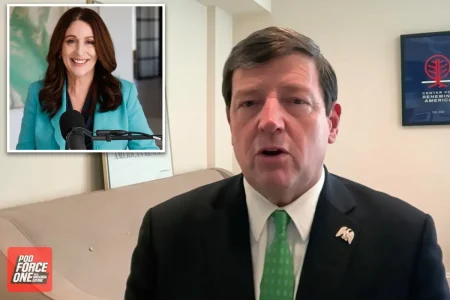
So, how do we wrap up this rollercoaster of a Friday morning? First off, don’t forget to check the Fox Weather app before you head out the door—there’s rain moving through the Northeast, and a heatwave baking the South. You might want to grab an extra umbrella or a cold bottle of water. But beyond the weather, you’ve got audio companions to keep you company on your commute. Tune in to the latest podcasts, where Mary Margaret Olohan joins “The Riley Gaines Show” to discuss the Trump administration’s fraud crackdown on autism therapy providers. It’s a careful tightrope walk—how do we root out scammers exploiting vulnerable families without leaving legitimate care behind? It’s an investigative listen that will make you think twice about the hidden costs of social programs. Then, if you need a laugh, Will Cain and the crew are lightening up the mood on “Will Cain Country,” tackling the biggest cultural, political, and sports stories of the week with a wry smile and a cold drink. Whether it’s a controversial trade or a ridiculous TikTok trend, they’ve got you covered.
As the sun sets on this news cycle, it’s clear that we live in a time of contradiction. We have the empowerment of a blue-collar renaissance, yet the anxiety of international assassination plots. We witness the tragic loss of life abroad and the silly mistakes of the media at home. It’s a lot to take in before 9:00 AM. But that’s what we’re here for. We’re your morning anchor in the storm, the steady voice that cuts through the chaos to give you the facts, the outrage, the laughs, and the occasional Dolly Parton impersonator mix-up. Thank you for making Fox News your first choice in the morning; you have plenty of options out there, but you’re sticking with us, and we don’t take that loyalty for granted. So go ahead, tackle those Friday emails, grab that turkey sandwich at lunch, and have a witty retort ready for your weekend plans. We’ll be right here, watching the wires, ready to do it all over again bright and early Monday morning. Have a safe and enjoyable weekend, and we’ll see you in your inbox at the start of the workweek, ready to tackle whatever fresh chaos Monday brings.